

On a rainy afternoon, two customers stepped into The Matcha Stop to wait out the weather. They ordered a Matcha White Cloud—then another. When they left, the rain was still falling. “They were unsure about matcha at first,” the team shared, “but ended up ordering a second round.” It was a small moment, but one that reflects how the café approaches matcha.
Matcha is often framed as premium or intimidating. The Matcha Stop takes a different stance. Here, matcha is treated as something meant for regular enjoyment, without the weight of status or trend.
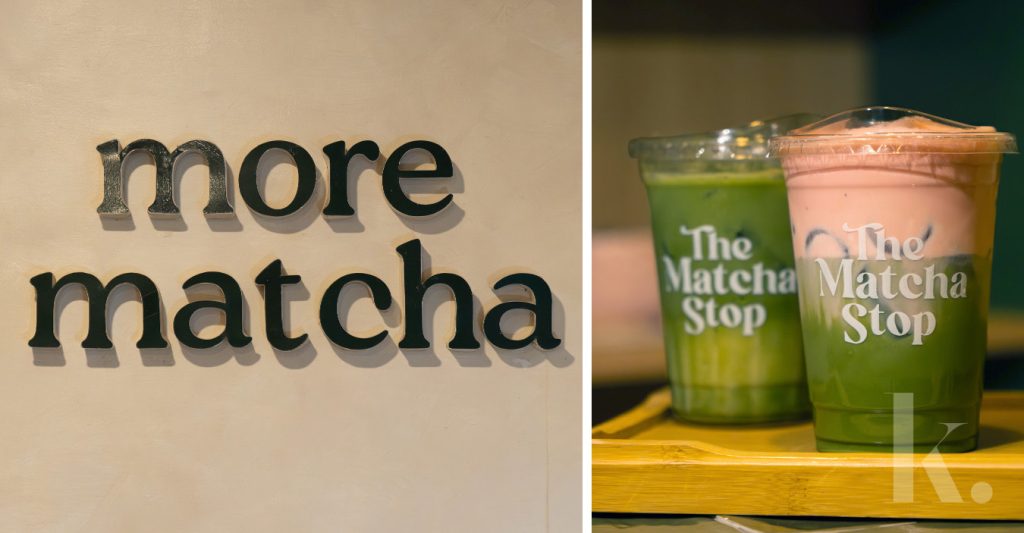
In a city where cafés often compete to stand out, The Matcha Stop does the opposite by making itself easy to return to.
That philosophy begins with why the team fell for matcha in the first place. Compared to coffee, it offers a smoother body and a deeper, more savory profile. That texture guides every decision from preparation to the choice of minimal additions, allowing the tea to speak for itself. It’s the kind of place people step into between classes, after work, or simply to slow down for a moment, without needing a reason beyond the drink itself.
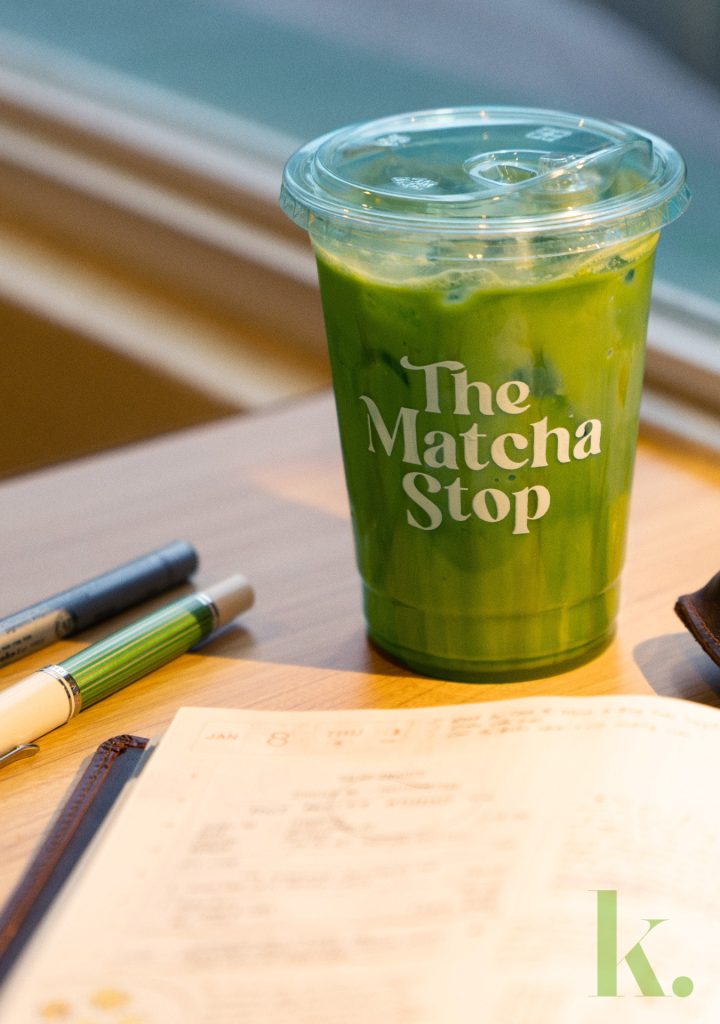
The Pure Matcha Latte with oat milk embodies this approach and happens to be the team’s personal go-to. The oat milk enhances the matcha’s natural smoothness without masking its character, while the Matcha White Cloud adds just enough sweetness without overpowering the tea.
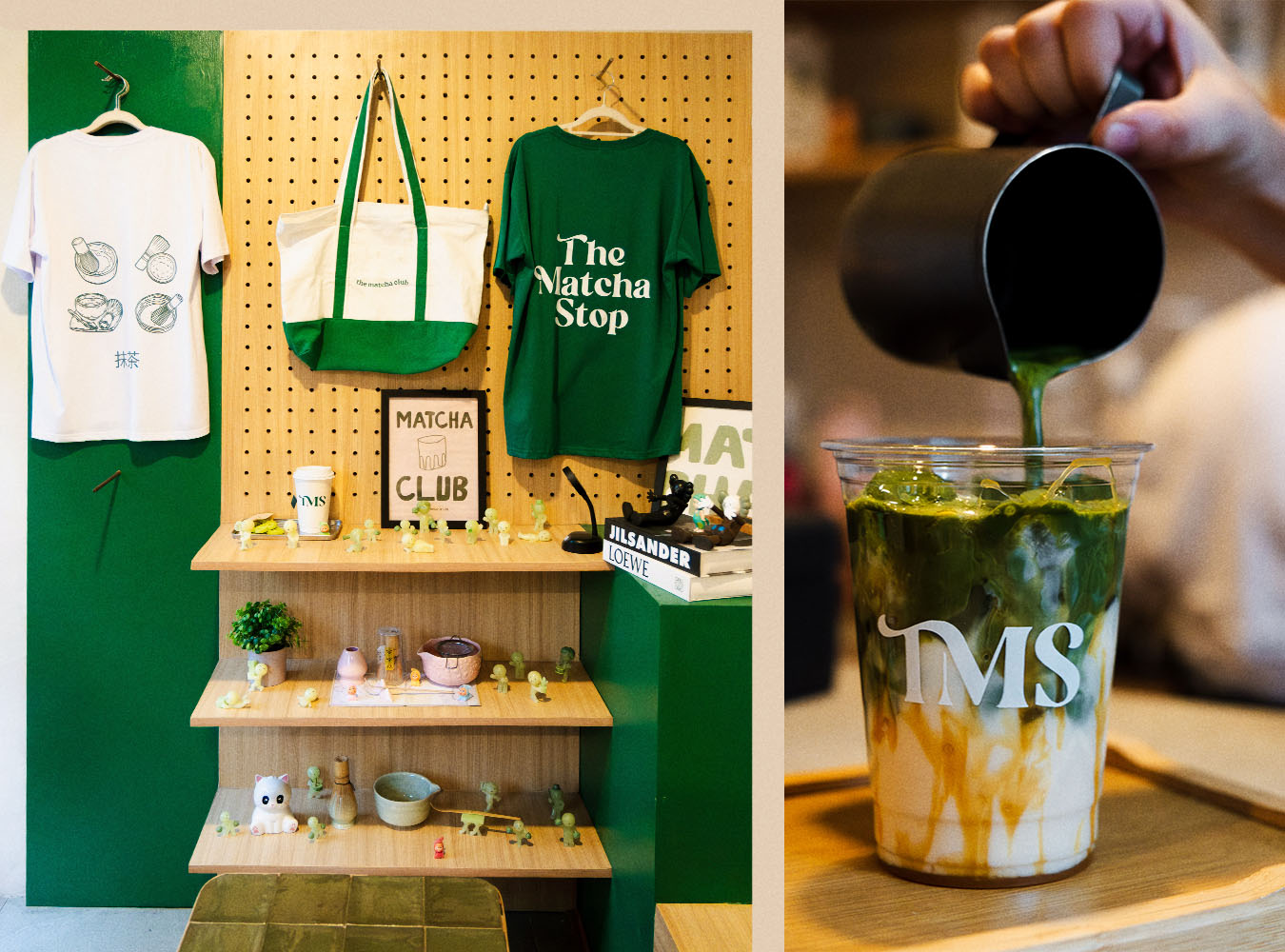
The space reflects the same restraint. A small Japandi-inspired café, it combines simple materials with a warm, muted palette. Even the tiny Smiski display near the entrance follows this logic—subtle at first glance, noticed only by those who linger.
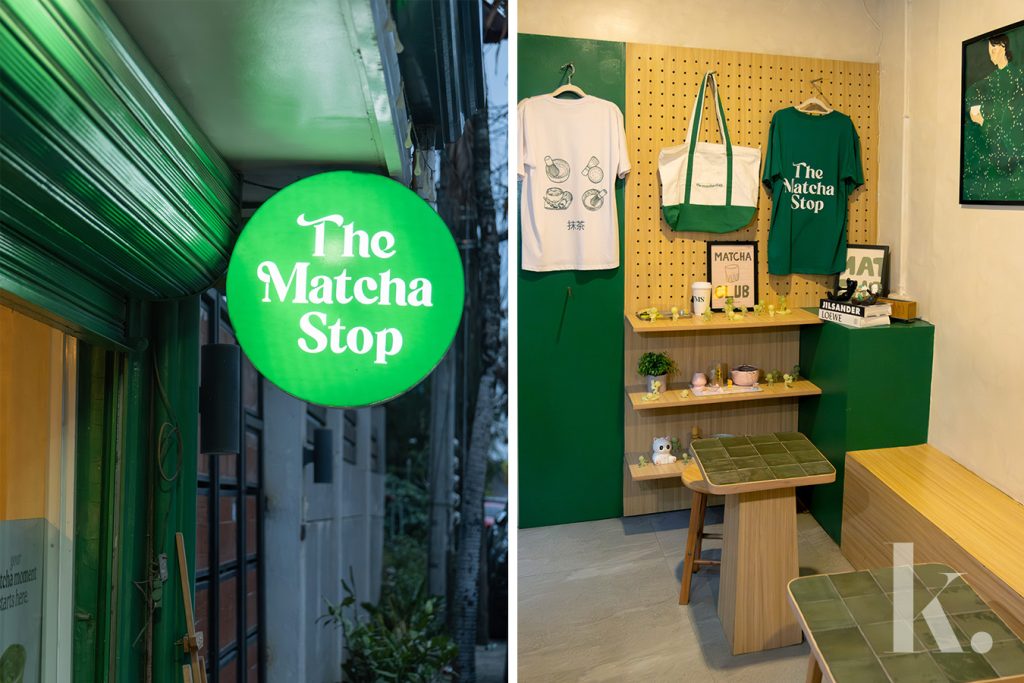
It’s not unusual to see familiar faces pass through quietly, order the same drink, and stay just long enough to feel settled.
Founded by students, The Matcha Stop was built on the belief that good matcha should feel familiar rather than exclusive. As the brand continues to evolve, that idea remains constant: high-quality matcha, prepared with care and made accessible to anyone who walks through the door.
Choosing to stay simple was intentional, even as matcha continues to be framed elsewhere as something rare, elevated, or performative.
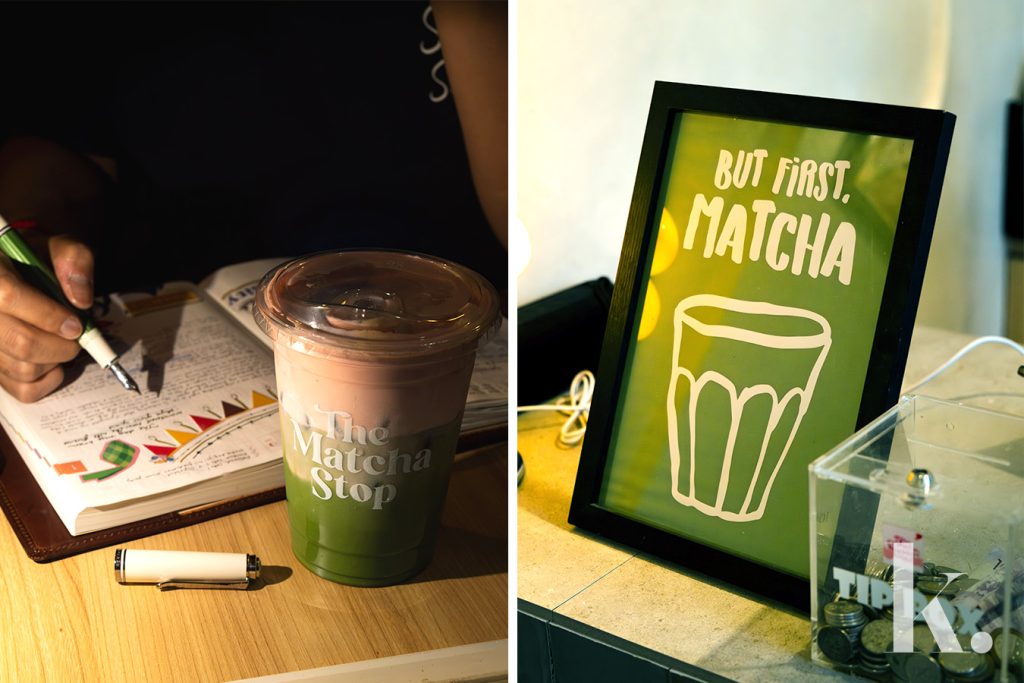
The founders hope guests leave with more than a drink. The goal is ease: a quiet reassurance that this is a place they can return to, and find the same comfort, cup after cup.
Cups are rinsed, stools are pushed back in, and the door closes softly behind each guest—only to open again for the next familiar face. Over time, first visits become habits. At The Matcha Stop, returning isn’t part of the marketing. It’s the point.
Photography Kyrra Kho