

Can you imagine café hopping around the world to try all the flavors coffee has to offer? From Southeast Asia to Africa to South America, each region produces coffee with its own character. It sounds expensive, if not impossible.
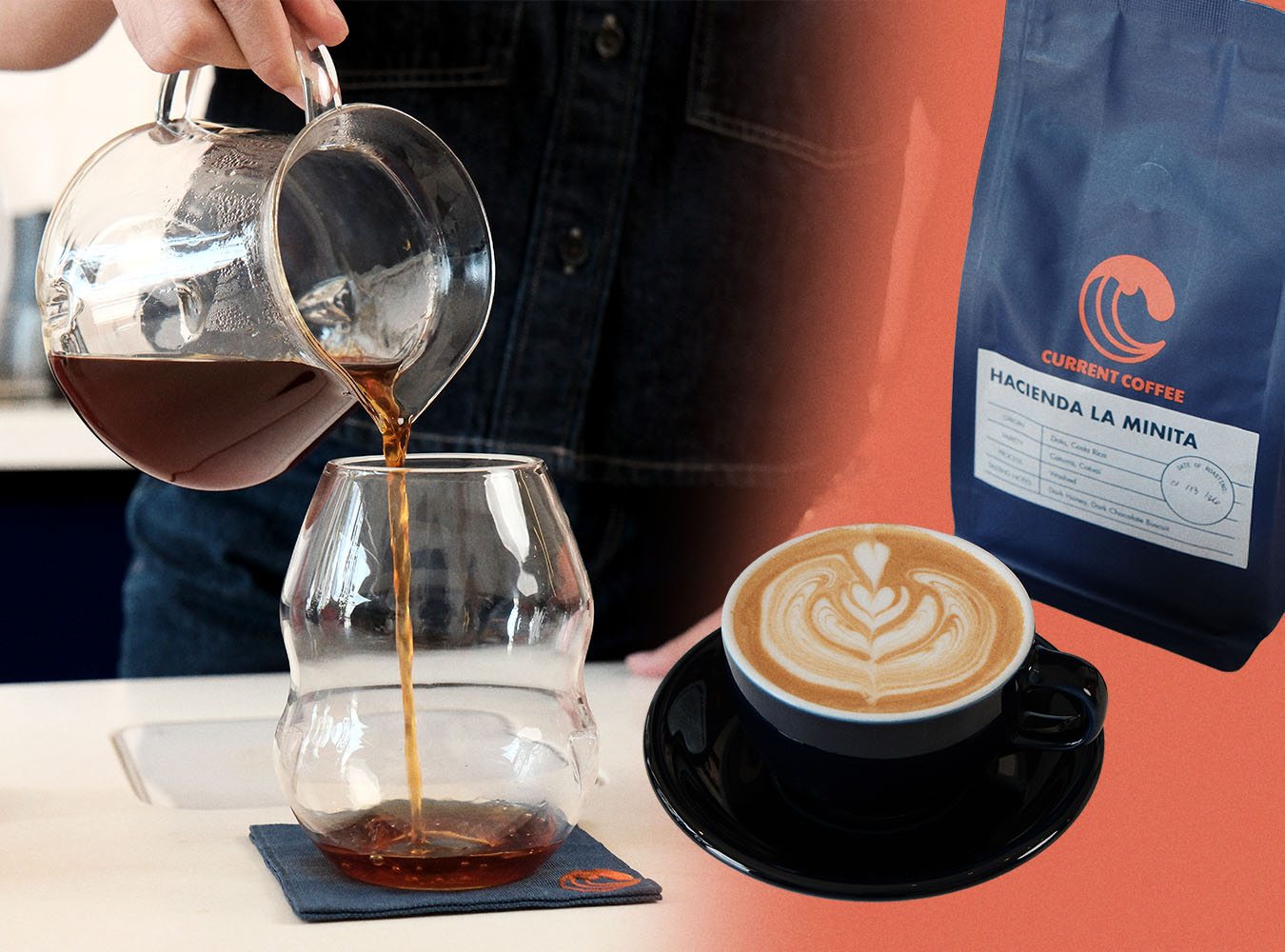
Current Coffee Roasters makes that experience possible, all within Cebu.
Through their extensive collection of specialty coffee beans, customers get to explore flavors from around the world without leaving the city. And just because they offer variety doesn’t mean they compromise on quality. At Current Coffee, range and rigor go hand in hand.
What is specialty coffee?
Carlos Tito Gothong, one of the owners of Current Coffee Roasters, likes to frame coffee as existing in two worlds: specialty and commercial.
“You can think of it like one being fast food, and the other being closer to casual or fine dining,” he shared.
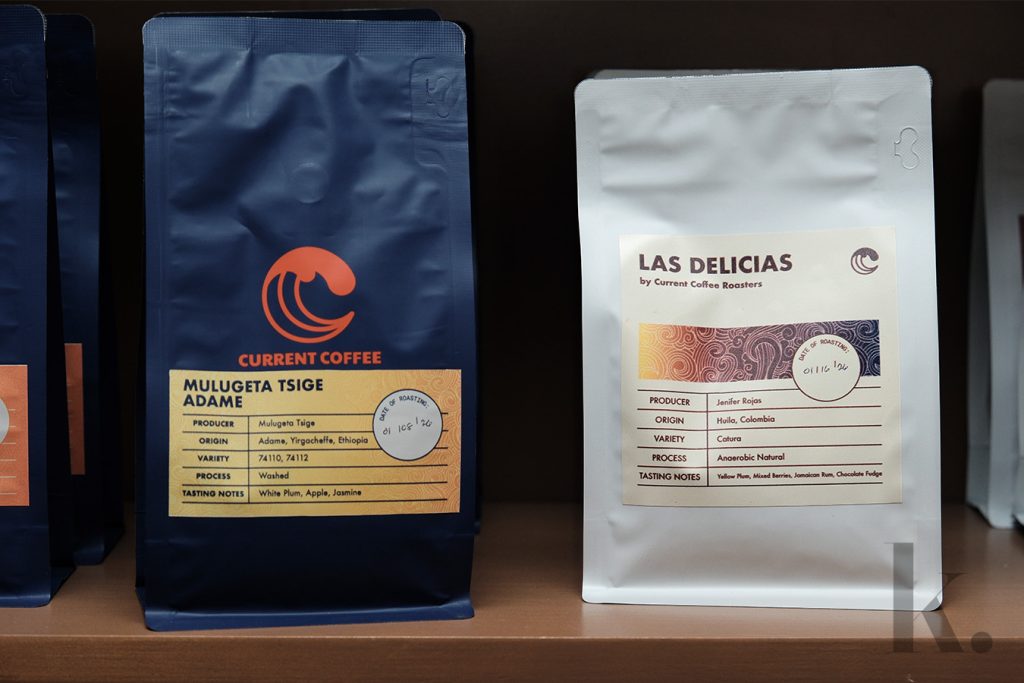
What truly separates specialty coffee is its technical foundation, starting with grading. Coffee beans are graded at harvest, and that grade reflects quality. It tells farmers if there are defects, whether the beans were picked at the right ripeness, if insects affected the crop, and even if the harvest timing was right.
“There’s a deliberateness in how the farmers produce this coffee. The farmers don’t just get lucky that their coffee beans are so amazing.”
— Carlos Tito Gothong
Beyond grading, variety also matters. Some coffee plants are cheaper to grow and thrive in lowland conditions, while others are more delicate, more flavorful, and can only be cultivated at higher elevations.
The effort that goes into specialty coffee
Having specialty-grade beans doesn’t automatically guarantee a great cup. After harvesting, coffee passes through several hands, and each step shapes the final result.
Processing plays a major role. While coffee used to be processed simply as washed or natural, the industry has evolved rapidly. Today, producers use more complex and experimental techniques inspired by wine and beer production.
“There’s so much technology and science that goes into it,” Gothong explained. “From our supplier, they’re even trying to do a process where they put the sack of coffee underneath a waterfall. Does it work? Yes. Why? I don’t know. I’m not really into the science of the processing, but it does work. It tastes really good.”
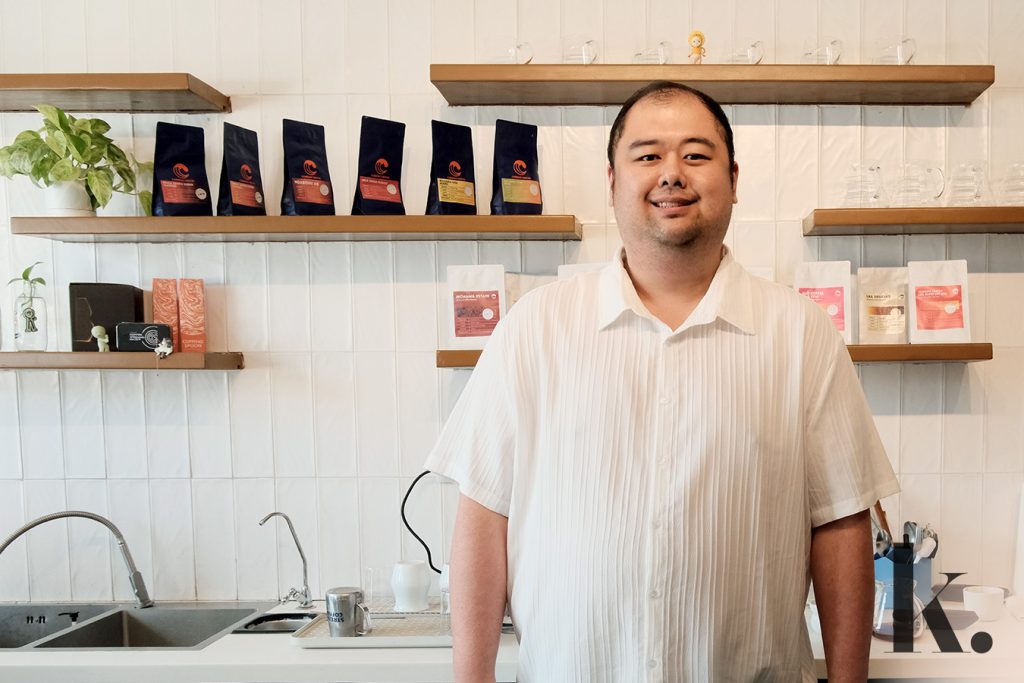
Once processed, the beans are shipped to roasters, where technique becomes just as important. Gothong compared roasting to cooking a steak.
“We usually like to compare this to cooking a steak,” he said. “If you’re cooking steak, you can just grill it. You leave it there, it’s probably gonna taste good. As long as the meat is good. But if you have good chefs, you have really good restaurants, and you can cook a mean steak. When you say it’s medium rare, it’s medium rare. You can keep the juices and the moisture in because they know how to prep, they know how to season, they know how to cook that steak.”
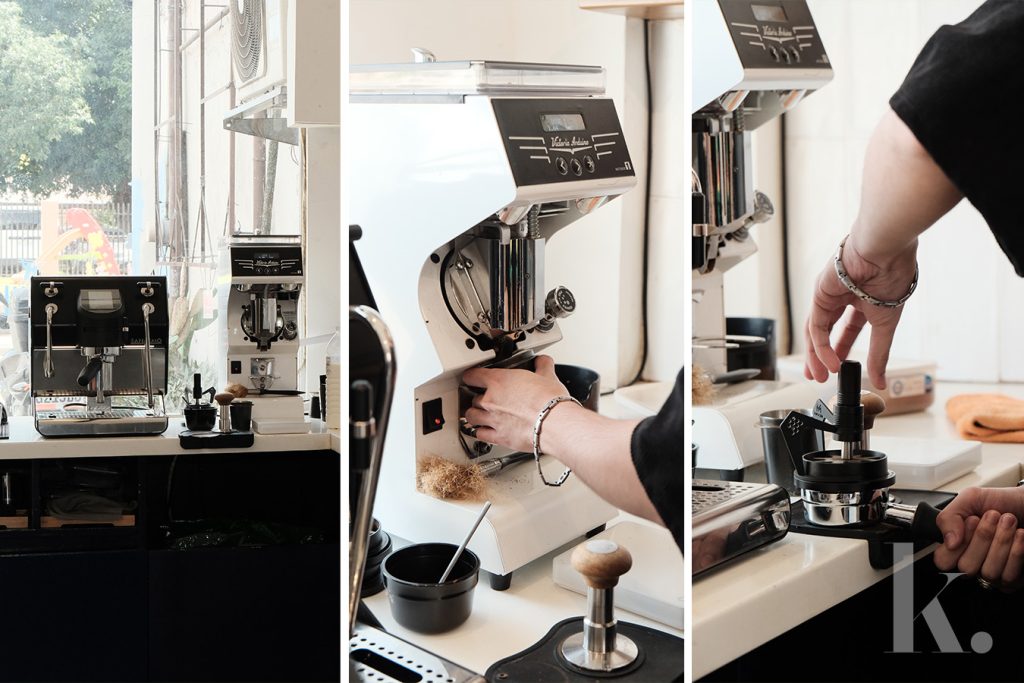
After roasting, the beans reach the barista, the final link in the chain. At that point, preparation can make or break the experience.
It takes passionate farmers, skilled roasters, and thoughtful baristas to deliver a truly great cup of specialty coffee.
Is specialty coffee better than commercial coffee?
Despite the effort behind it, specialty coffee isn’t positioned as “better” than commercial coffee at Current Coffee Roasters.
“We prefer to just focus on these things because this is what customers would like to pay for,” Gothong shared. “This is what we believe customers would like to experience. Coffee is not just for caffeine on our end. We leave that to the commercial side.”
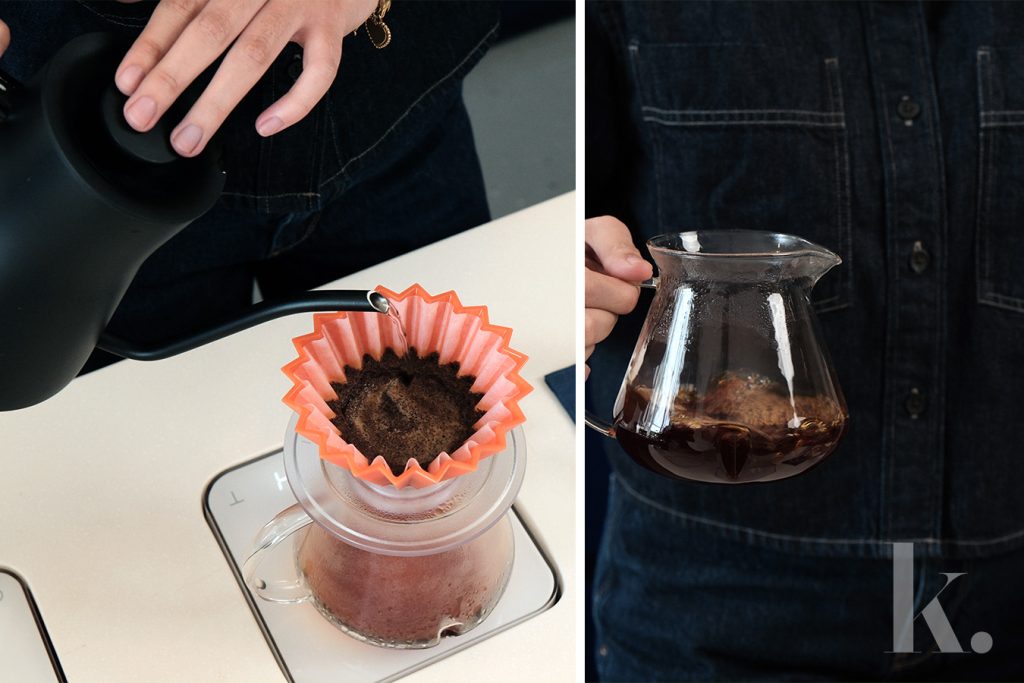
Commercial coffee often centers on accessibility, caffeine, or café aesthetics. Specialty coffee, on the other hand, focuses on origin, processing, flavor notes, and brewing methods.
While the approaches differ, the intent is the same. At the end of the day, they both want the customer’s experience to be amazing.
“It’s not to say that commercial coffee is bad,” Gothong added. “There’s always a place for every niche and every market.”
The Current Coffee Roasters experience
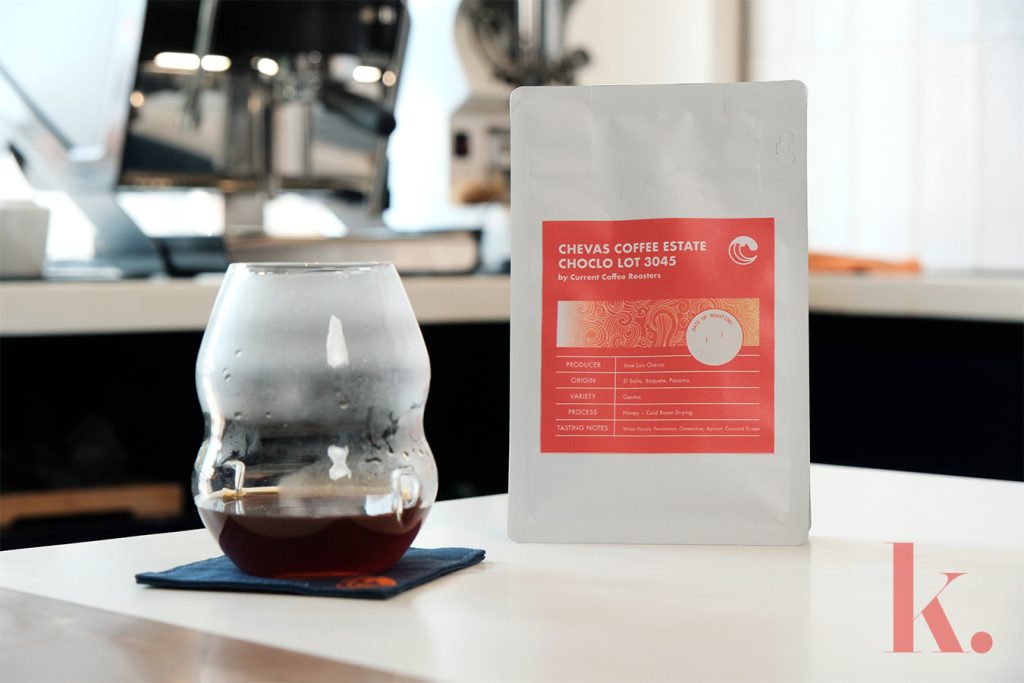
At Current Coffee Roasters, the experience is designed to be exploratory. Their menu rotates regularly, featuring beans from different origins around the world.
They only offer specialty-grade beans, using a grading system where anything above 80 points qualifies as specialty. At Current Coffee, they go further, serving beans that score 85 points and above. These beans are also harvested within six to eight months to ensure freshness.
As a micro roaster, they work in small batches rather than commercial volumes. This means customers can expect a constantly changing selection, often available only in limited runs.
To help customers navigate these options, especially those new to specialty coffee, Current Coffee hosts cupping table events.
Some coffees deliver bold, expressive flavors, while others are more subtle. For many beginners, tasting these differences becomes easier through comparison. Cupping allows guests to sample coffees side by side, making flavor characteristics more distinct and approachable.
Shifting how Cebu sees coffee
In recent years, there has been a noticeable shift in how people view coffee. Instead of focusing solely on affordability, more customers now care about taste and the passion behind each cup.
“The Cebu coffee scene is actually quite advanced compared to the rest of the Philippines. “We have a lot of great roasters and cafés in Cebu.”
— Carlos Tito Gothong
With this shift, customers are more willing to pay for specialty coffee, not just for the drink, but for the experience. According to Current, this has a ripple effect across the industry, allowing baristas, roasters, and farmers to be compensated more fairly.
It creates a more sustainable system for everyone involved.
What they recommend
While the team appreciates all types of coffee, they’re especially drawn to premium South American and African beans. Regular specialty coffee drinkers can usually expect these origins to be part of the lineup.
For first-timers, Kenyan beans are often the go-to recommendation. Known for their bright and funky profiles, they offer a surprising introduction to what coffee can taste like.
It’s especially rewarding, the team says, when customers react with, “I didn’t know coffee could taste like this!”
Whether you’re new to specialty coffee or already know your preferences, there’s no pressure or judgment at Current Coffee Roasters.
“Coffee is a very young drink compared to wine and other industries,” Gothong reflected. “A lot of people want to be thought leaders in the industry, but the industry grows quite fast. It’s not up to us to judge whether it’s a misconception or not. We can’t pretend we know 100% everything about this industry. We only know about how we do things here.”
Curious to experience Current Coffee Roasters for yourself? Visit their shop along Gov. M. Cuenco Ave, Cebu City. They’re open daily from 9 am to 5 pm.
For updates on new coffee drops and upcoming cupping sessions, follow them on Instagram @currentcoffeeroasters and stay in the loop.
Photography Kyrra Kho