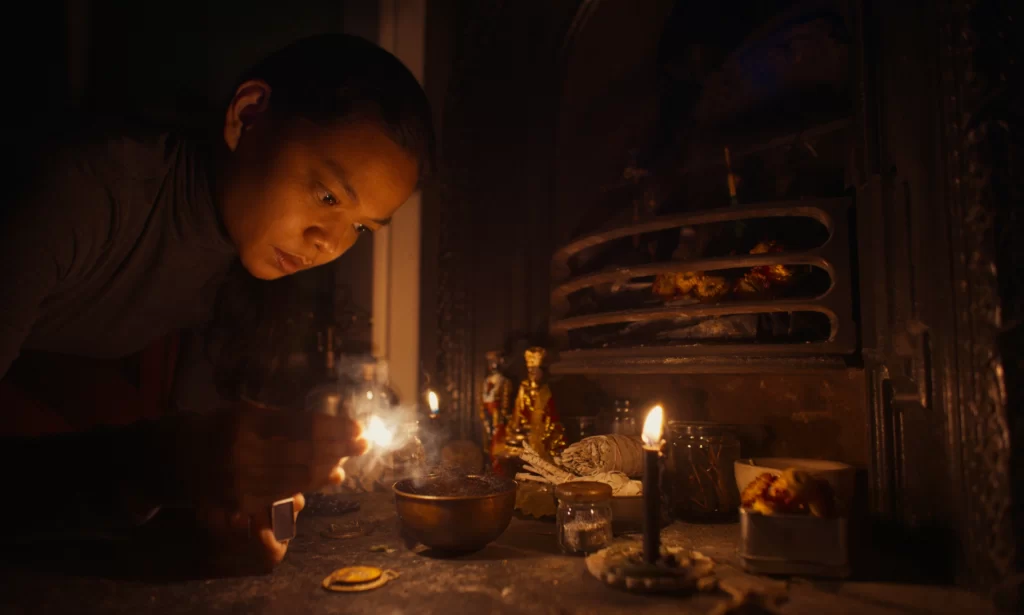



What comes to your mind when you think of Philippine cinema?
Chances are, the first films that come to mind are those from Metro Manila, especially the ones showcased at major festivals such as the Cinemalaya Philippine Independent Film Festival, QCinema International Film Festival, and the Metro Manila Film Festival (MMFF).
But have you ever wondered what Philippine cinema looks like beyond the “capital”?
This August, as we celebrate Buwan ng Wika and Buwan ng Kasaysayan, it’s the perfect time to rediscover a rich yet often overlooked part of our film history: Cebuano cinema.
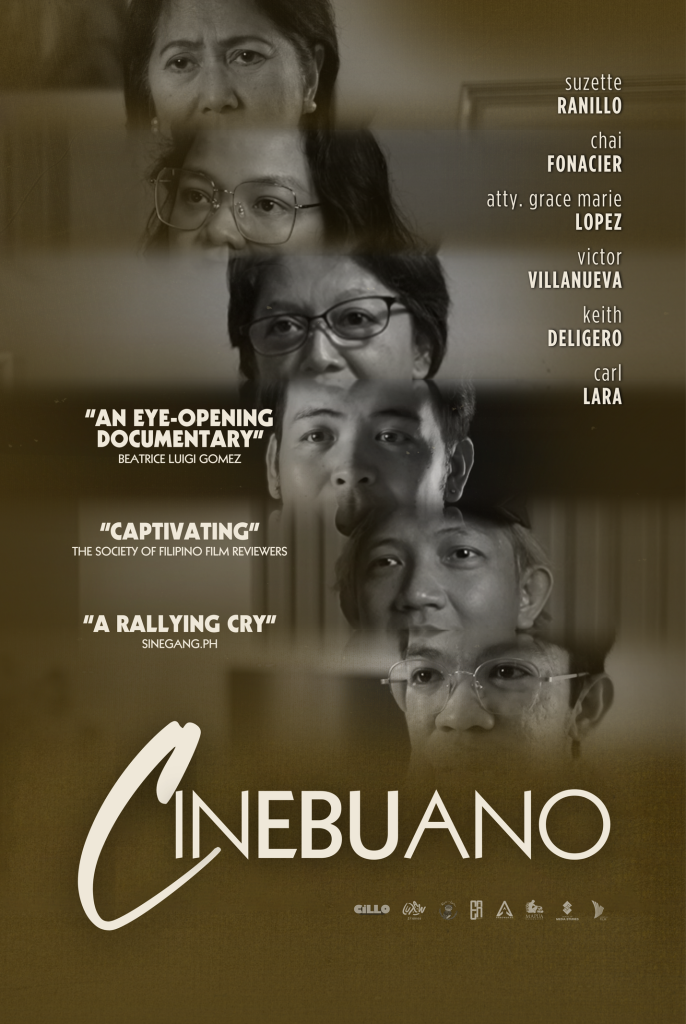
That’s exactly what Cinebuano (2023), an award-winning 20-minute documentary directed by Joaquin Perocillo, sets out to do. Through interviews with award-winning actress Chai Fonacier, veteran actress-producer Suzette Ranillo, acclaimed filmmakers Keith Deligero, Victor Villanueva, Carl Joseph C. Lara, and film scholar Grace Marie Lopez, the documentary revisits Cebu’s cinematic past while exploring its future.
With the 16th Binisaya International Film Festival taking place this August and more Cebuano films reaching audiences across the Philippines and abroad, there’s no better time to discover why ‘Cinebuano’ deserves a spot on your watchlist.
1. Cebuano cinema had its own golden age
There is a common misconception that regional filmmaking only became popular in recent years. In reality, Cebu already had a thriving film industry from the 1950s to the 1970s.
During this period, Cebu produced commercially successful films such as Mga Anak Intawon (1950), Badlis sa Kinabuhi (1969), and Awit sa Damgo (1970) through local production companies, filmmakers, and movie stars. Legendary actors Gloria Sevilla and Mat Ranillo Jr., known as the Queen and King of Visayan Films, helped bring Cebuano-language films to audiences across the Visayas and Mindanao while earning recognition from the Filipino Academy of Movie Arts and Sciences (FAMAS). By 1974, the region had produced more than 17 feature-length films, paving the way for the first Visayan Film Festival, which was held the following year.
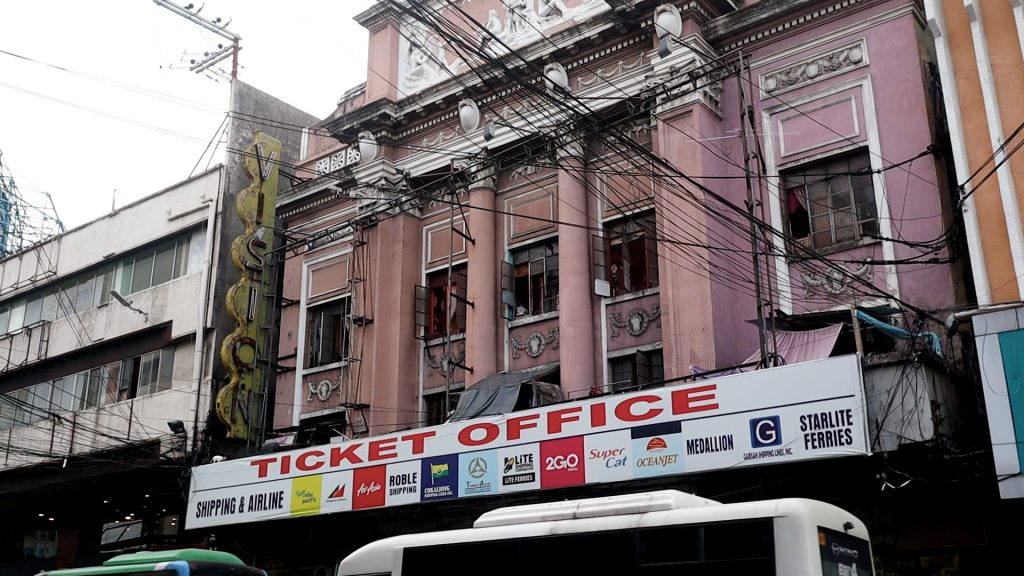
The documentary also explores another creative boom in the late 2000s and 2010s, when independent Cebuano filmmakers began gaining recognition at local and international film festivals. Filmmaker Keith Deligero describes this period as a modern golden age, producing acclaimed films such as Confessional (2007), directed by Jerrold Tarog and Ruel Antipuesto; Ang Damgo ni Eleuteria (2010) and Soap Opera (2014) by Remton Siega Zuasola; Miss Bulalacao (2015) by Ara Chadbuwry; ISKALAWAGS (2013) and Babylon (2017) by Keith Deligero; Patay Na Si Hesus (2016) by Victor Villanueva; and Huwebes Huwebes (2019) by Kristoffer Villarino, Don Gerardo Frasco, and Januar Yap.
Filmmaker Victor Villanueva recalls how small the Cebu film community was at the time. In 2011, two Bisaya films, ‘Di Ingon ‘Nato’ (the first Bisaya independent zombie horror film) and My Paranormal Romance were screened back-to-back at Cinema One Originals. Because there were so few people working in the industry, the production teams even had to borrow crew members from one another.
As Villanueva’s story shows, the Cebuano film community may have been small, but it was built on collaboration and a shared passion for storytelling.
2. Cebuano cinema is more than just the Cebuano language
So, what makes a film “Bisaya”? It’s one of the biggest questions explored in Cinebuano.
Veteran actress-producer Suzette Ranillo explains that “Bisaya” doesn’t refer to just one language. It includes several ethnolinguistic groups and languages such as Cebuano, Hiligaynon, Waray, and many others. But over the years, many people began using the term “Bisaya films” to refer mainly to films made in Cebu because Cebu was once the center of Visayan filmmaking.
Film scholar Grace Marie Lopez adds that Visayan cinema today is defined not only by the language spoken on screen but also by the places, people, and communities whose stories are being told.
Not to mention, Ranillo is also the daughter of Mat Ranillo Jr. and Gloria Sevilla, the King and Queen of Visayan Films. She began her acting career at just 12 years old under the screen name Nadia Veloso. At only 14, she won the FAMAS Award for Best Supporting Actress for Gimingaw Ako (1973), while her mother received the FAMAS Award for Best Actress the following year.

Ranillo continues to be active in Philippine film and television, expanding her career beyond acting into directing and producing. She made her directorial debut with CareHome (2006) and later directed and starred in Pagbalik (2019), sharing the screen with her mother, Gloria Sevilla.
In recent years, she has appeared in projects such as Pepito Manaloto (2021), Minsan Pa Nating Hagkan ang Nakaraan (2023), and the 2023 film Video City: Be Kind, Please Rewind. She also portrayed Madre Olivia in the 2026 television adaptation of I Love You Since 1892.
The documentary also discusses one of the biggest challenges facing regional cinema: the belief that audiences won’t watch films made in Bisaya because of the perceived “language barrier.”
Having worked in Tagalog mainstream media for many years, Ranillo says this mindset continues to hold regional cinema back, “Parang pinangungunahan nila na hindi maa-appreciate ‘yan kasi Bisaya. Kailangang maalis ‘yan sa isip ng mga nasa [mainstream] entertainment.”
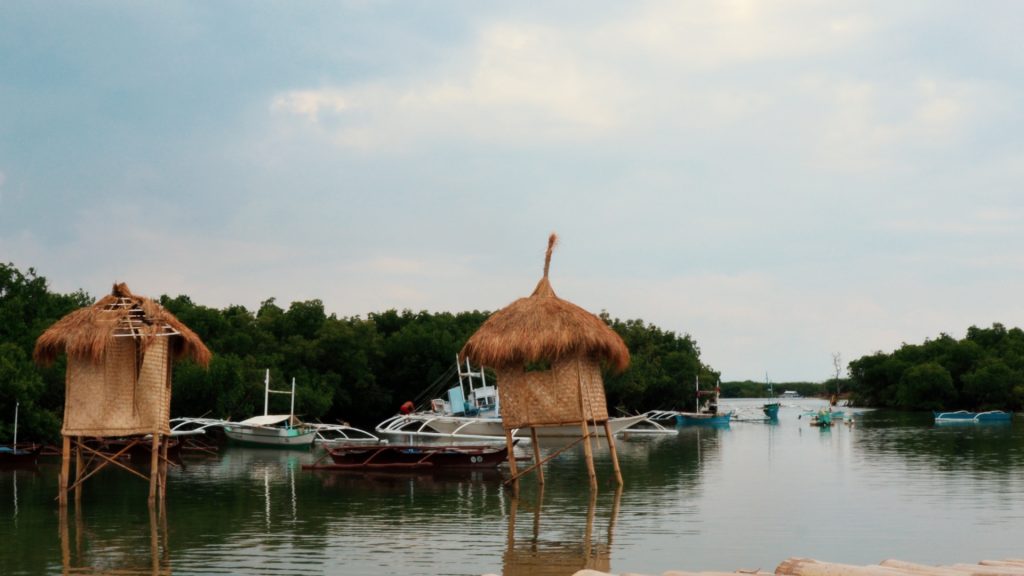
Award-winning actress Chai Fonacier echoes this sentiment in the documentary, pointing out that Philippine cinema should not be limited to stories produced in Metro Manila. In a country made up of thousands of islands and many languages, regional stories deserve the same opportunity to be seen and supported.
Fonacier’s own career reflects this belief. After establishing herself in local cinema, she went on to star in the Filipino-Irish psychological thriller Nocebo (2022), proving that regional talent and stories can reach audiences far beyond their place of origin.
3. Much of Cebuano cinema’s history had to be rediscovered
Did you know that Cebuano cinema almost became a forgotten chapter in Philippine film history?
One of the biggest takeaways from Cinebuano is how close Cebu’s rich cinematic heritage came to being lost. The documentary highlights the work of film historians Prof. Misha Boris Anissimov and Dr. Paul Douglas Grant, whose years of research helped uncover Cebu’s once-thriving film industry. Their 2016 book, Lilas: An Illustrated History of the Golden Ages of Cebuano Cinema, is now considered one of the most important references on the subject.
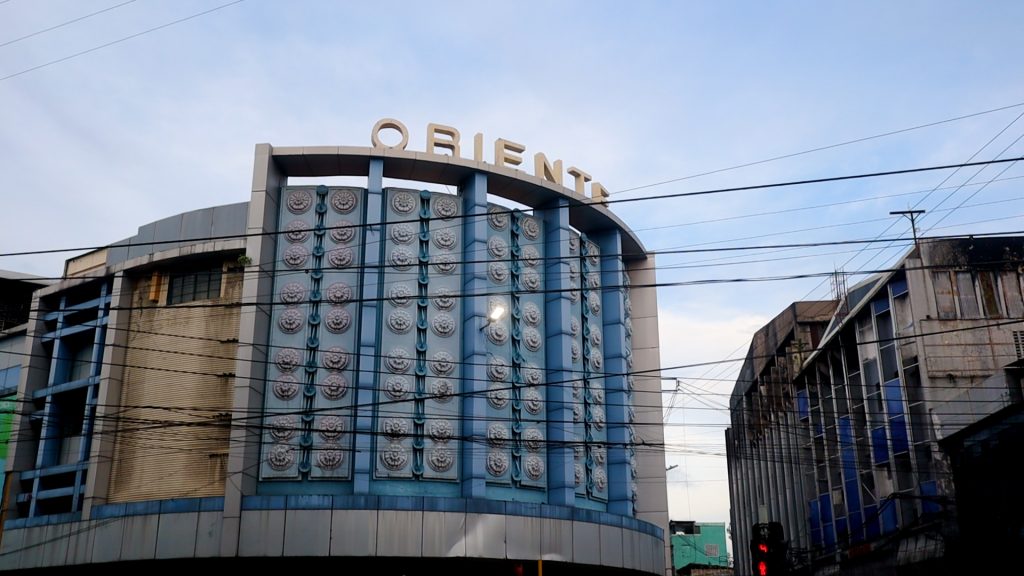
Their research also takes viewers back to a different Colon Street, one that was once home to more than 20 movie theaters, making downtown Cebu one of the country’s busiest cinema districts. Some of these historic cinemas, including Cine Oriente and Vision Theater, still stand today. But as film scholar Grace Marie Lopez points out in the documentary, it’s ironic that a place once known for showcasing films is now better known for stalls selling pirated DVDs and CDs.
Cinebuano also shows how efforts to preserve Cebu’s film history continue today. Filmmaker Carl Joseph C. Lara shares that the University of San Carlos (USC) supports the next generation of filmmakers through its film studies program, the student organization Cinemata, and its annual student film festival, Sinedisipulo.
4. Cebu once housed an international film studio and film school
In the late 2000s, American production company Bigfoot Entertainment opened Bigfoot Studios in Lapu-Lapu City. The studio featured multiple sound stages, post-production facilities, and one of Southeast Asia’s largest underwater filming tanks, making it one of the country’s most advanced film facilities at the time.
Bigfoot also established the International Academy of Film and Television (IAFT), attracting aspiring filmmakers from the Philippines and around the world. According to filmmaker Victor Villanueva in ‘Cinebuano,’ the academy gave Cebu-based creatives a rare opportunity to study filmmaking and gain hands-on experience without leaving the island.
However, Villanueva also noted that many of the students who enrolled came from Metro Manila or overseas, while relatively few were from Cebu. Despite having a world-class film school in their own backyard, many local aspiring filmmakers were unable to take advantage of the opportunity.
“That was actually a chance for the filmmakers in Cebu, but unfortunately it didn’t last,” said veteran actress-producer Suzette Ranillo in the documentary. By 2010, the studio had stopped operating, and the facility was eventually abandoned, bringing an ambitious chapter in Cebu’s filmmaking history to an unexpected end.
5. The Binisaya International Film Festival began as a grassroots passion project
Today, the Binisaya International Film Festival is the country’s longest-running festival dedicated to Binisaya-language cinema. Founded by local filmmakers in 2009, it began with a simple mission: to create a space where Bisaya films could be screened alongside global cinema, free from commercial constraints.


Behind the scenes of Cinebuano. Photo Credits: Adam Dumaguin, Suzette Ranillo, Chai Fonacier, Carl Lara, Keith Deligero, Jared Miano, and Atty. Grace Marie Lopez
In ‘Cinebuano,’ filmmaker and festival founder Keith Deligero recalls how it all started with grassroots screenings held in basketball courts, beaches, and other community spaces. These screenings introduced audiences to his films and the works of fellow Cebuano filmmakers. What began as small community gatherings eventually grew into an open-submission film festival in 2011.
Over the years, Binisaya has grown into more than just a film festival. It has become a platform for conversations about the future of Cebuano cinema, bringing together filmmakers, critics, and industry figures while also showcasing films from neighboring countries through its BINISAYA World category.
This year, the festival launched the Padayon Awards, a program in which, instead of prizes coming solely from institutions, established filmmakers from the Visayas personally sponsor the top awards across the festival’s competitive sections as a way of giving back to the community. Among the sponsors are Victor Villanueva, Remton Zuasola, Christian Naparata, and Ruel Antipuesto.
Now celebrating its 16th edition, the Binisaya International Film Festival continues to champion regional voices and connect Cebuano films with wider audiences. This year’s festival runs from August 16 to 23, 2026.
Since its release, Cinebuano has received the World Building Award at the 2025 Montañosa Film Festival, along with Best Editing, Best Cinematography, and Best Production Design at the 17th CINE U Annual Film Festival. It was also an official selection at the 2023 Binisaya International Film Festival and the 2024 Sinepiyu Film Festival.
This Buwan ng Wika and Buwan ng Kasaysayan, revisit the history of Cebuano cinema and celebrate the storytellers whose passion continues to keep its legacy alive and its voice heard in Philippine cinema.
Watch Cinebuano for free on YouTube. For more updates, follow Cinebuano on Facebook, Instagram, TikTok, X, and Threads at @cinebuano.
Photo courtesy Cinebuano