


The Philippines is made up of 7,461 islands, each with its own character and stories. But even by our standards, Siquijor stands out.
At first, it may seem quiet, even meek. Then you arrive, and you’ll find yourself singeing to the blazing splendor of this fiery island in the middle of the Visayas.
Long known for its lore of witchcraft, folk healing, and mysticism, Siquijor is also called Isla del Fuego or the Island of Fire. It’s a name said to come from the glow of fireflies that once lit up its forests at night. Today, the fire isn’t in flames or myths alone. It’s in the land, the water, and the way the island slowly reveals itself.
I didn’t know much about Siquijor before. A bit of doomscrolling on TikTok and Instagram Reels wasn’t enough to prepare me for how layered Siquijor really is (in a good way).
Coco Grove Beach Resort
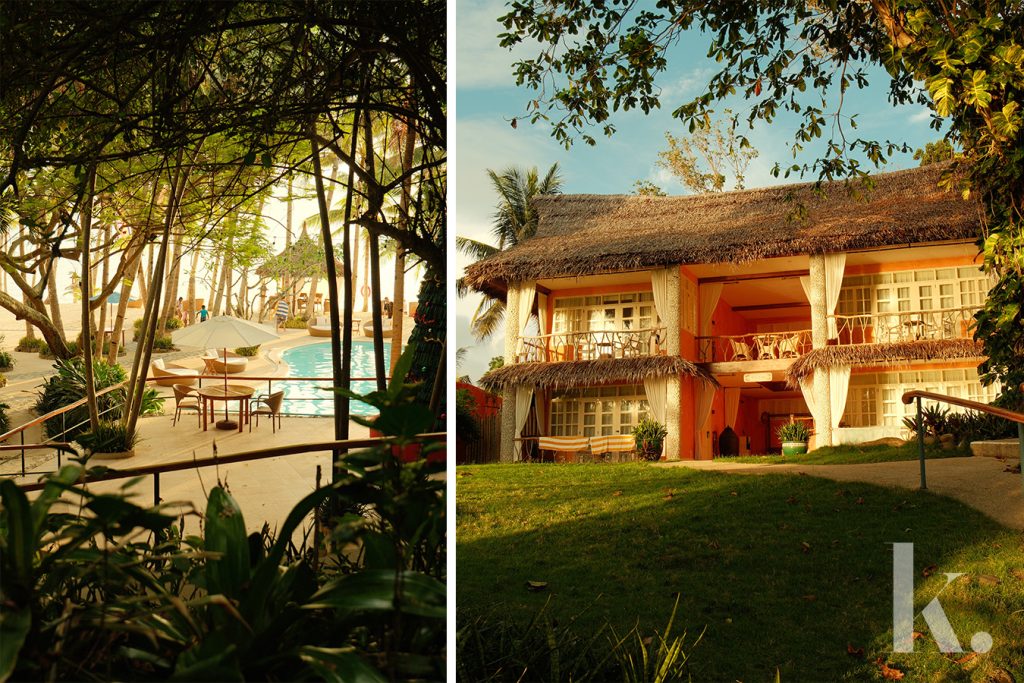
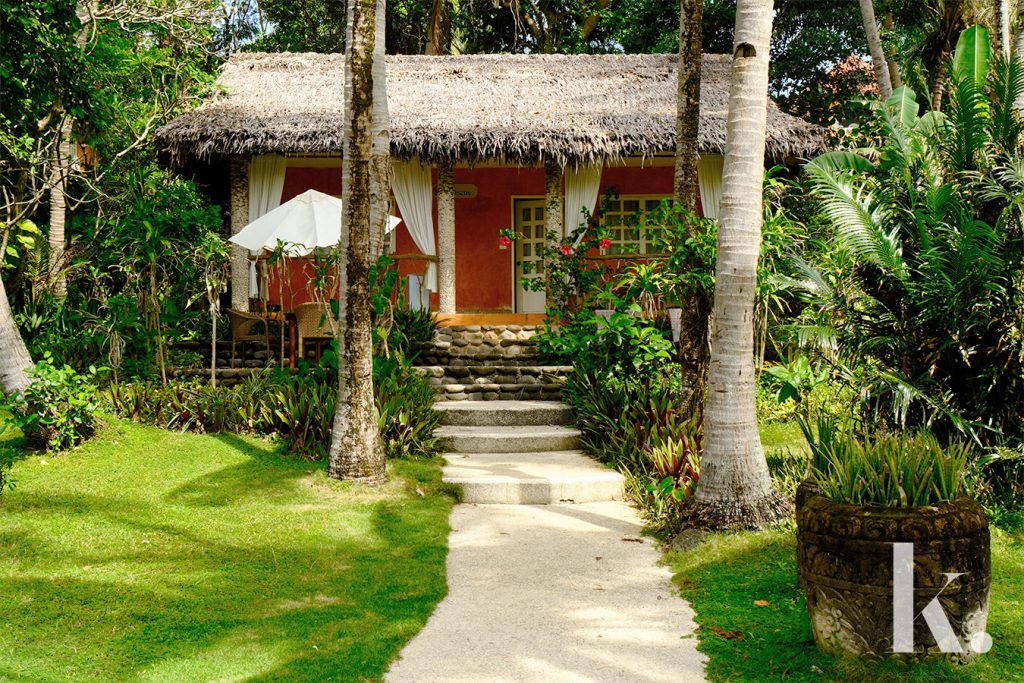
For three days and two nights, Coco Grove Beach Resort was home base. It felt like a complete Siquijor experience in one place: native tropical rooms, villa-style architecture, lush landscaping, three excellent restaurants, four pools, and an 800-meter stretch of beach.
But the real highlight is the Tubod Marine Sanctuary, one of the island’s best-preserved coral reefs. You don’t need to be a diver to enjoy it. Mask, snorkel, a few kicks out, and you’re floating over living color.
As a freediver, I couldn’t resist going deeper. One breath, then silence. It’s just better down there!
Still, Siquijor had more to offer.
Paliton Beach
A short ride from San Juan, Paliton Beach feels like Siquijor stripped down to its essence: no elaborate entrances, no curated boardwalks. There are hardly any resorts nearby, just white sand, palm trees, local fisherfolk and their bangkas, and crystal-clear water.
It’s the kind of place that doesn’t try too hard, and that’s exactly why it’s beautiful. Its simplicity makes you stay longer than planned. You swim, rest on the sand, then head back out again. Its marine sanctuary sits only about 100 meters offshore, making it an easy, refreshing snorkel spot.
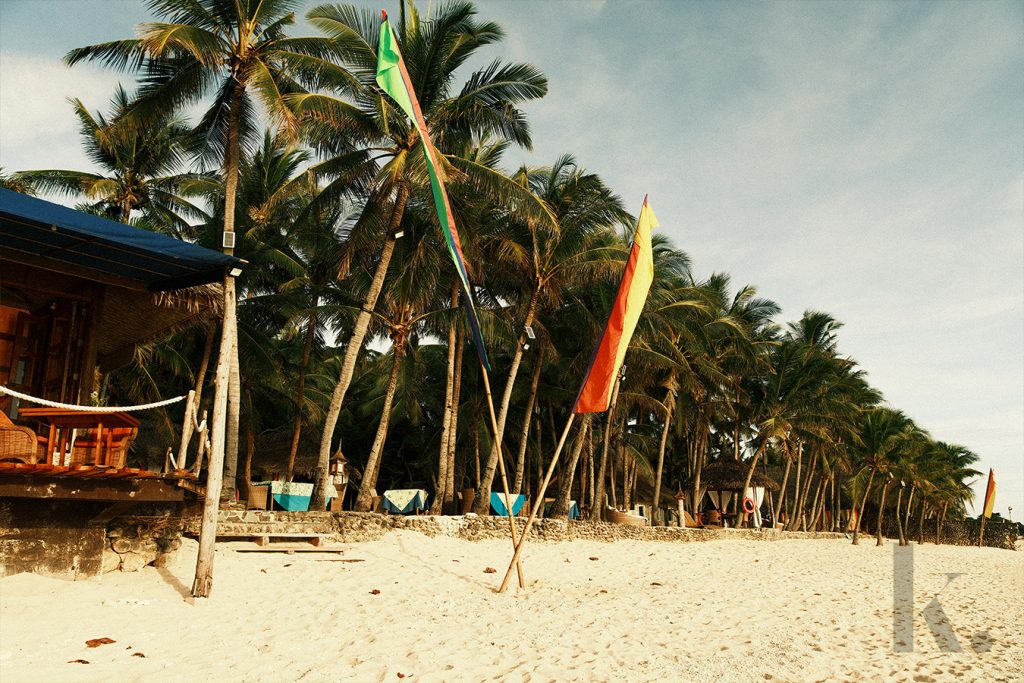
It’s the kind of beach that reminds you why we chase clear waters in the first place.
Old Enchanted Balete Tree
The locals will tell you this is one of the island’s most iconic spots. Its name alone is enough to make you slow down a little. The Old Enchanted Balete Tree in Lazi resembles something pulled from a folk tale, with its thick roots twisting into the ground, branches spread wide like a living roof, and that quiet, shaded stillness that makes you instinctively lower your voice.
At its base is a natural spring turned fish spa. You dip your feet in and let no-so-tiny fish do their gentle (and not-so-gentle) nibbling while you take in the scene.
Whether you believe in Siquijor’s mysticism or not, there’s something grounding about being here.
Cambugahay Falls
If Siquijor has a main character waterfall, Cambugahay Falls is it, and it earns the hype.
Tucked in Lazi, it cascades down in layered steps. The sound of rushing water gets louder as you approach, until suddenly you’re right in the middle of natural pools where people float, swim, laugh, and line up for the famous rope swing.
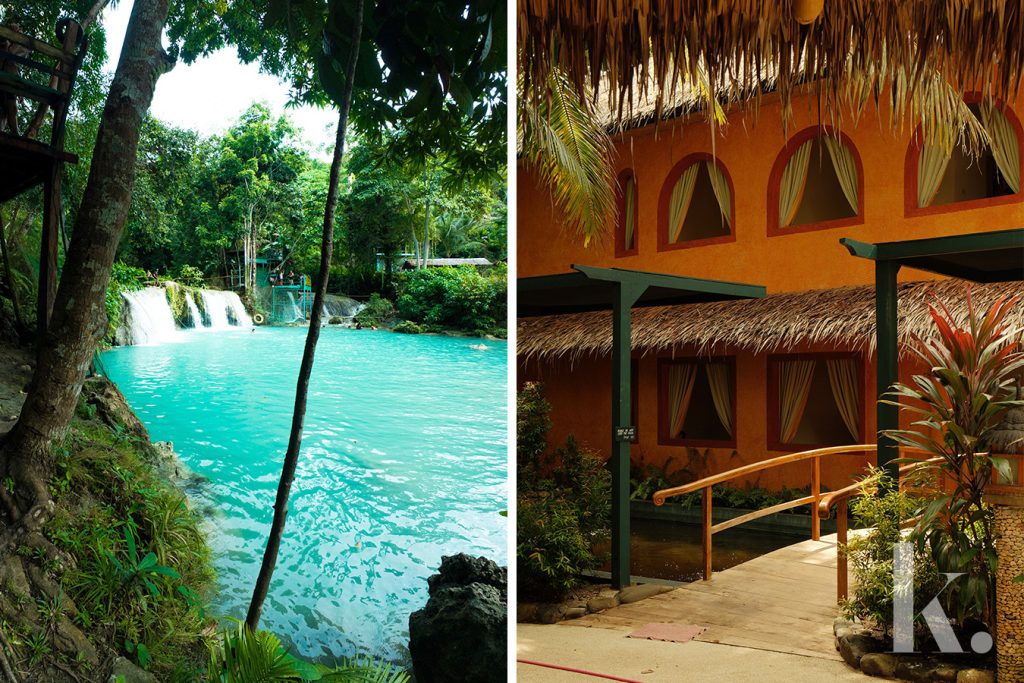
Of course, I lined up. Cambugahay has a way of making you feel like a kid again. Hands gripping the rope, feet lifting off, that split second of “Okay, this is higher than I thought”, and then you drop.
It’s not a one-photo-and-go stop. You can stay. It’s the kind of place that makes time slippery. One minute you’re just planning to look, the next you’re already soaked and trying to convince yourself to leave after “one more swing”.
Salagdoong Beach
Salagdoong shows a bolder side of Siquijor. The coast here is rocky and dramatic, the water a bright, inviting blue, and you can feel the energy shift as soon as you arrive.
It’s a beach-park style stop where you can swim in deeper water and, if you’re brave enough, jump from the platforms into the sea. Yes, I jumped. I hesitated for a few seconds, watched someone else go, and sent it.
The waves can be stronger here, so it pays to be mindful, but on a good day, it’s pure fun.
Pitogo Cliff
Pitogo Cliff is for the moments when you want Siquijor to feel wild.
The road is quiet and green, then suddenly the view opens up, and you’re standing above water that looks unreal from that height. Pitogo plants grow around the cliff, nature literally naming the place.
If you time it right, the sunset is unreal. The sky turns warm and dramatic, and the sea starts to glow.
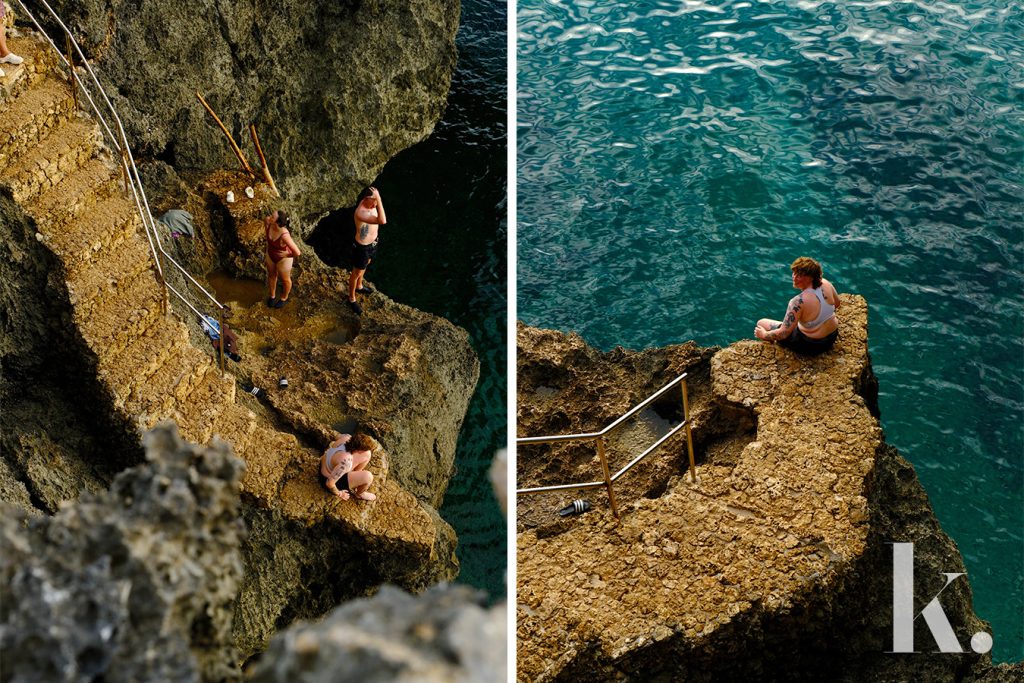
This is where I had to admit something to myself: freediving, yes. Cliff diving? Not yet. I stood there, tried to talk myself into it, and couldn’t. I’ll take deep water and slow descents, but stepping off a cliff into the open is a different kind of brave.
I didn’t jump, but I still left happy. Sometimes the thrill is in the view, the wind, and the way Siquijor keeps surprising you when you think you’ve seen it all.
Getting There with Sunlight Air
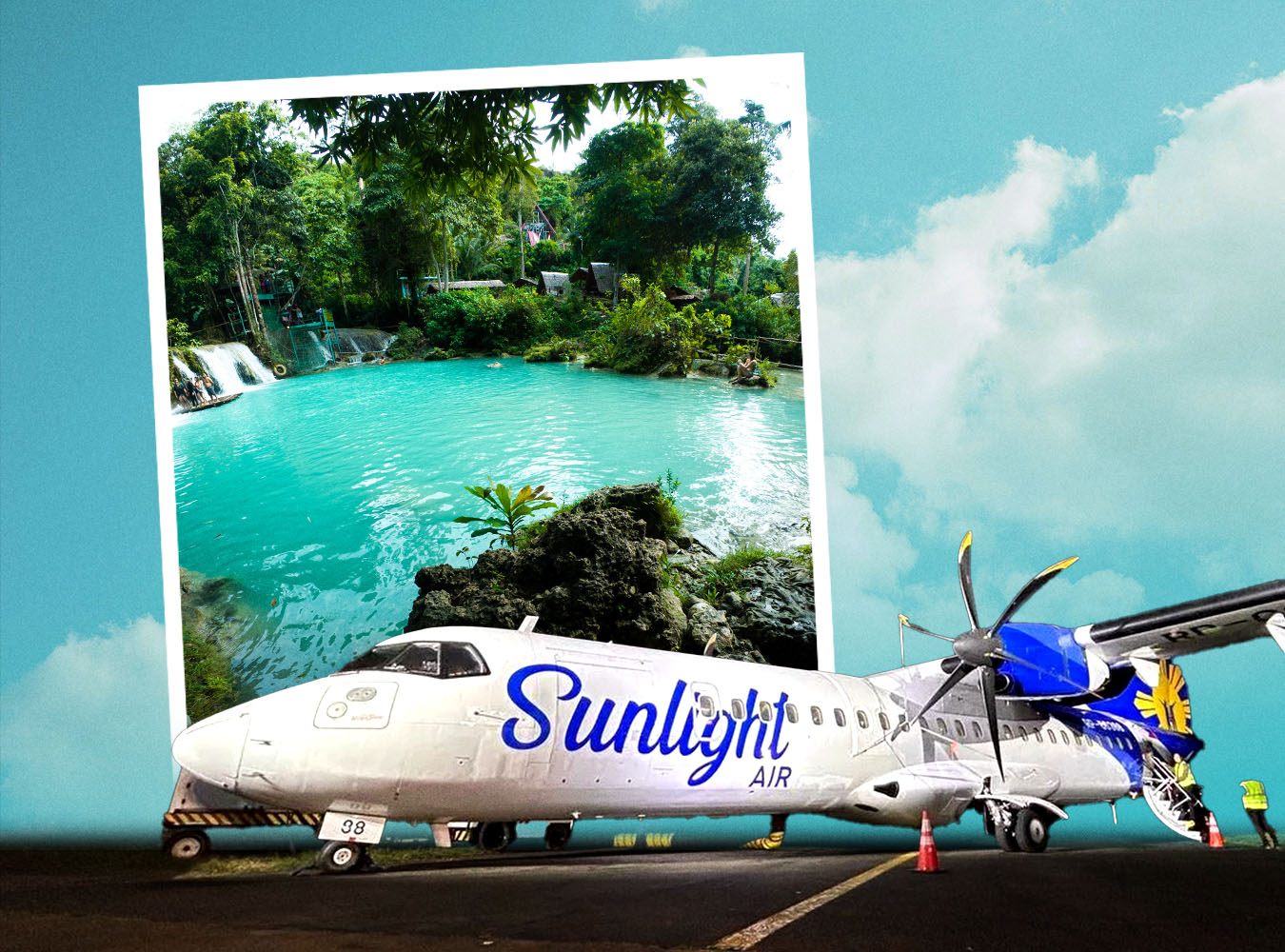
Seeing the sun from Isla del Fuego is easier now with Sunlight Air. Starting December 15, 2025, Sunlight Air flies directly to Siquijor, which means fewer steps, less waiting, and more time actually being on the island.
And that matters because Siquijor isn’t the kind of place you want to arrive at tired. It’s the kind of island where you wake up early without forcing it. With Sunlight Air making Siquijor more accessible, it feels less like a faraway place and more like an easy escape when you need it.
With beaches, waterfalls, cliffs, and reefs, Siquijor gives you so much in such a small island. Once you’ve seen it, you’ll understand why people keep coming back. Maybe that’s the real magic of Isla del Fuego—not just the stories you hear about it, but how it makes you want to return the moment you leave.
Now, going back is simpler.
Book a flight with Sunlight Air on their website at www.sunlightair.ph. Watch out for promos and new destinations on Instagram and Facebook.