

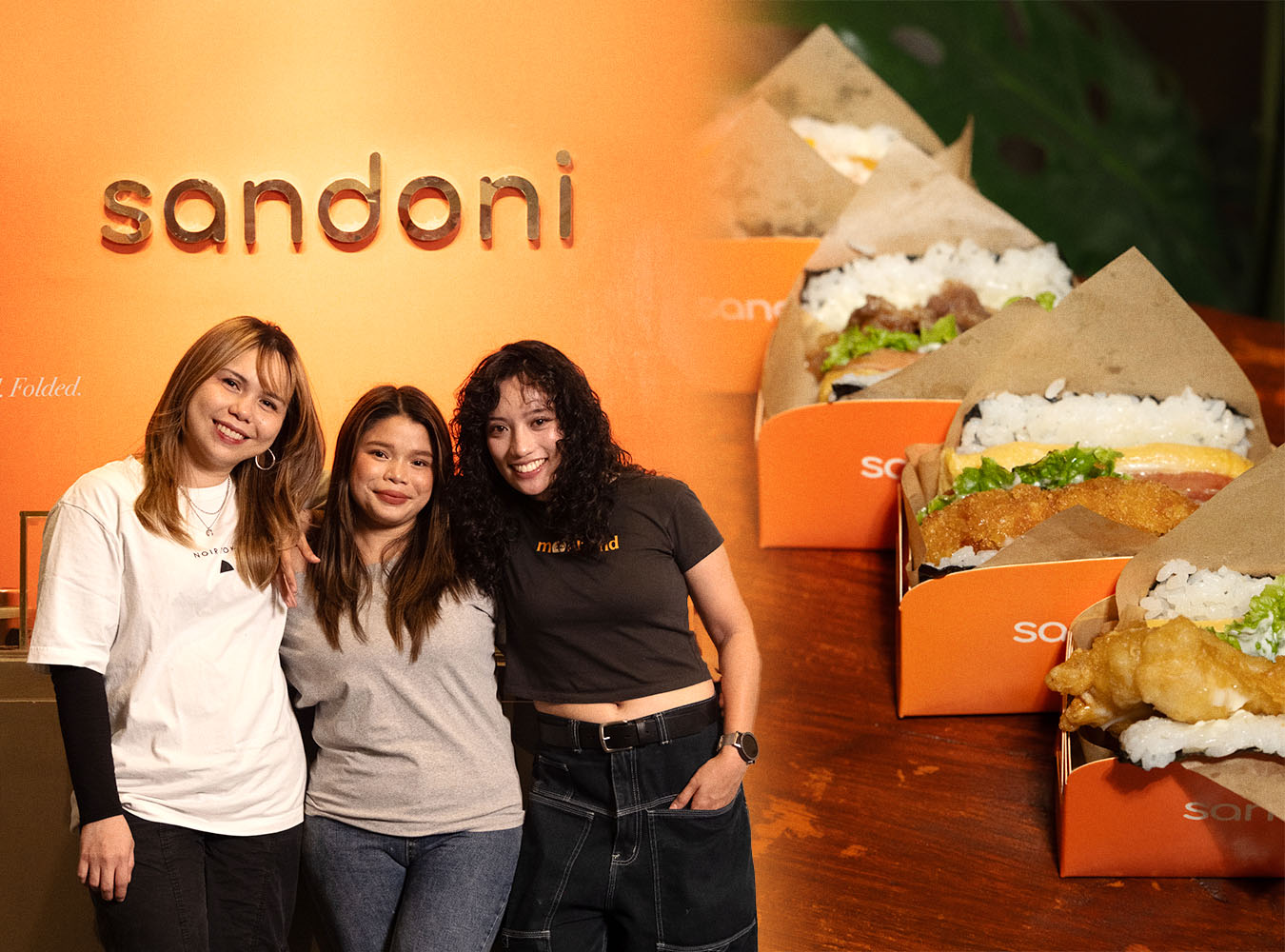
Cebu’s food scene has always been one that makes room for something new. From Japanese-inspired concepts to creative takes on familiar Filipino favorites, there’s always something interesting to discover, especially if you’re the type who enjoys trying food that you haven’t seen before. One of the newer concepts that caught our attention is Sandoni, a Cebu-based food concept that combines two things that may seem very different at first: sandwiches and onigiri.
Calling itself the first sandwich + onigiri concept in Cebu, Sandoni takes the familiar convenience of a sandwich and combines it with the rice and nori that make onigiri such a beloved Japanese staple. The result is something colorful, flavorful, easy to eat, and, according to the people behind it, surprisingly filling.
From Japan to Cebu
The people behind Sandoni spent quite a bit of time trying different kinds of onigiri in Japan, and apparently, they never got tired of it. It was during those trips that they eventually discovered onigirazu, which became the inspiration for what would later become Sandoni.
“We loved the idea of combining the comfort of a sandwich with the simplicity of onigiri,” they shared.
There was something about the combination that just made sense to them. It was convenient, familiar, and flavorful, while still having that distinctly Japanese element that they had grown to love.
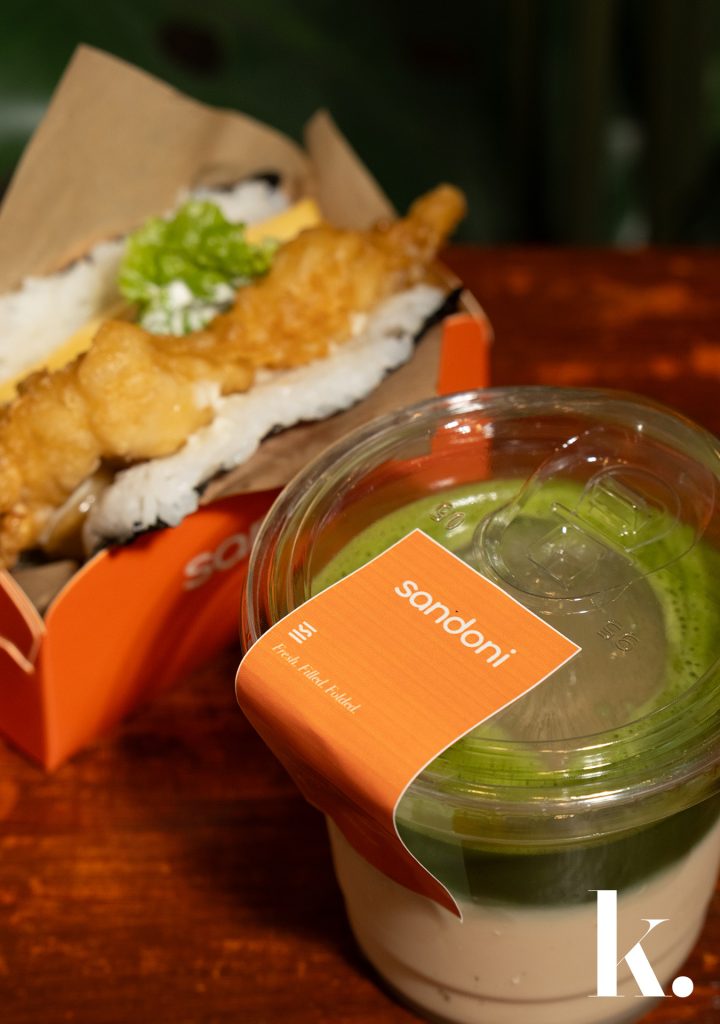
Once they knew they wanted to create their own version, they started thinking about how they could make it work back home. The goal wasn’t simply to recreate something they had eaten in Japan. They wanted to create something that would feel familiar and enjoyable to the Filipino palate while still keeping the things they loved about Japanese onigiri.
And that eventually became Sandoni.
A Name That Says Exactly What It Is
Even the name came from the combination of the two concepts. “Sando” comes from “sandwich,” which is also how Japanese people casually refer to sandwiches, while “Oni” is short for onigiri. Put the two together, and you get Sandoni. There wasn’t a need to make the name overly complicated or mysterious. In fact, the simplicity was intentional.
“We like it that way,” they said.
And it does make sense when you see what Sandoni is all about. The concept itself is straightforward: take the things people already know and love about sandwiches and onigiri, put them together, and make something that feels familiar while still being different enough to catch your attention.
Their Classic, for example, comes with Spam and egg, two ingredients that most Filipinos are already very familiar with. From there, customers can choose from different flavors and fillings depending on what they feel like having.
Making Japanese-Inspired Food Feel at Home in Cebu
One thing the team was particularly conscious about was making sure Sandoni didn’t feel like a Japanese concept that was simply transported to Cebu without any consideration for the local palate. They wanted to keep the elements they loved about Japanese food, particularly the simplicity, the rice, the balance of flavors, and the attention to detail. At the same time, they wanted the food to feel natural and familiar to Filipinos.
“We take inspiration from Japanese food, but we don’t want Sandoni to feel like we simply brought something from Japan and placed it here,” they explained.
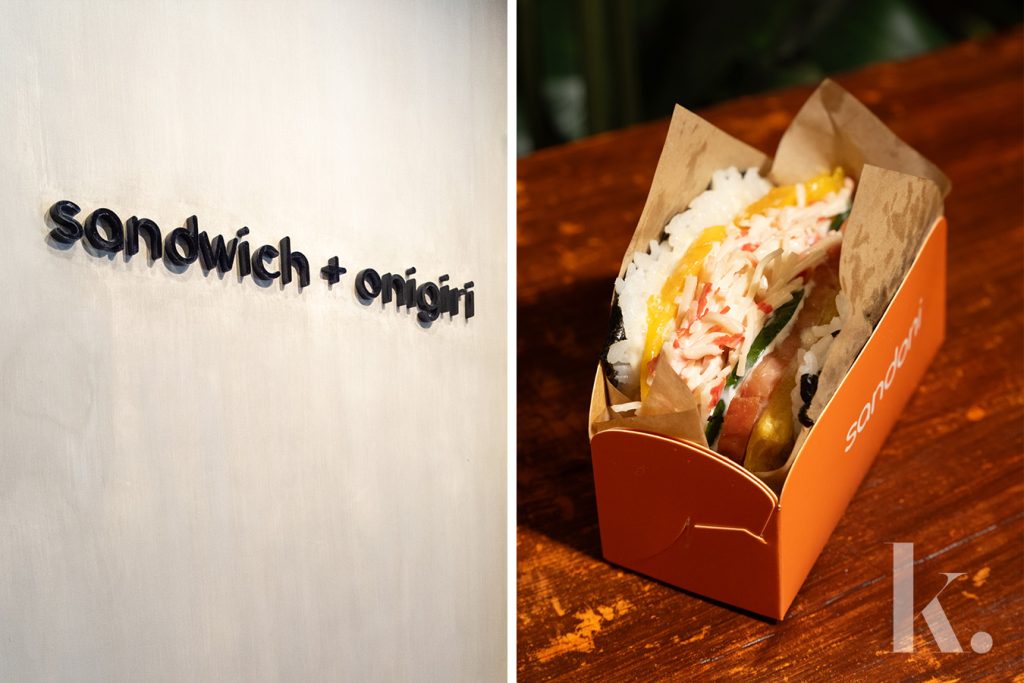
That balance is important because while the concept may be inspired by Japanese food, Sandoni is ultimately being made for the people here. And when it comes to developing their menu, the deciding factor is actually quite simple. Everyone behind the brand has to agree that what they’re making is genuinely delicious.
They can talk about ingredients, techniques, textures, and all the little details that go into developing a product, but if the three of them take a bite and look at each other and say, “Okay, this is really good,” then they know they’ve got something worth serving.
They’re not trying to make food complicated just for the sake of being different. The goal is simply to make something they themselves would be excited to eat.
A Brand That Refuses to Be Boring
It’s also hard to miss Sandoni’s visual identity. The branding is colorful, playful, and full of personality, which is very much intentional. When asked how important branding was in creating the Sandoni experience, their answer was refreshingly honest.
“We just didn’t want Sandoni to look pale,” they joked.
And that pretty much explains it. They wanted people to immediately get a sense of what Sandoni would be like just by looking at the brand. The food itself is colorful and packed with character, so the visual identity needed to have the same energy. It works especially well on social media, where a Sandoni can easily catch your eye while you’re scrolling through your feed. The branding gives you a little preview of what you’re getting into before you even take your first bite.
Their First Pop-Up Sold Out in Less Than Two Hours
Before Sandoni opened its doors, the team tested the concept through a pop-up market. The experience was memorable for a reason that had less to do with the actual sales and more to do with the fact that people were willing to buy something they had personally created.
“When the first person bought one, all we could think was, ‘Wow, somebody actually bought it.’”

There was excitement, but there was also a little disbelief. After putting so much time and effort into preparing everything, seeing someone actually choose to buy their product was a moment in itself.
Then more people started coming. Some customers bought twice, while others came back to try different flavors. Before they knew it, they had sold out in less than two hours.
For the team, it was the kind of experience that made all the early preparation, exhaustion, doubts, and worries feel worth it. What made it even more meaningful was how warm the customers were. They were selling something they had personally made, and people were generous with their compliments and genuinely interested in the concept. That first pop-up became one of the experiences that pushed them to work even harder toward opening their own store.
There Is a Process Behind Every Sandoni
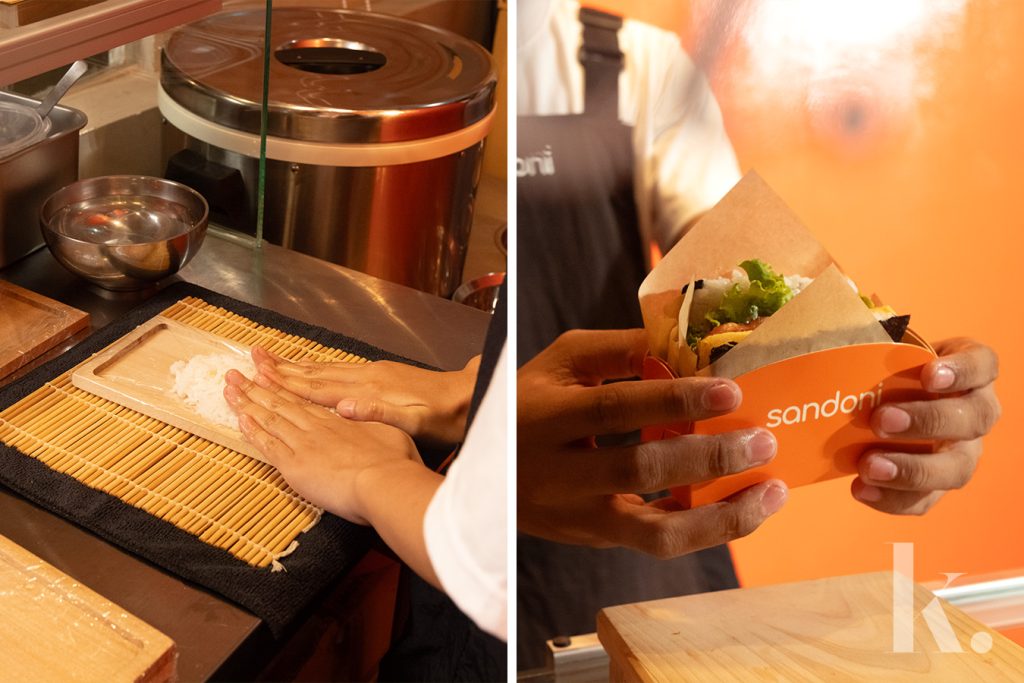
Like any new food concept, Sandoni has also had to navigate the challenge of introducing something unfamiliar to customers. One particular aspect that some people may notice is the way the Sandoni is assembled. The team uses their hands as part of the process, which is intentional and necessary when working with the Japanese rice they use.
They understand that this can be unfamiliar to some customers, which is why they are very particular about hygiene and food safety. Their hands are thoroughly cleaned and sanitized; they follow strict food-safety practices, and they were specifically trained by a Japanese professional to handle Sandoni this way.
For the team, using their hands isn’t something they do carelessly. It’s part of the craft and the proper way they were taught to handle the rice. At the same time, they understand that everyone has different preferences, and they aren’t expecting everyone to feel the same way about it.
“You can’t please everyone, and that’s okay.” What matters to them is that they continue doing things properly and stay confident in the way they make their food.
A Meal for Any Time of Day
Sandoni is open from 11 AM to 11 PM, which gives it a pretty wide window to become part of someone’s day. It can be a quick lunch when you’re busy, something to grab for merienda, an easy dinner, or even a late-night craving when you’re looking for something more filling than a snack but don’t necessarily want a full meal. The team describes Sandoni as surprisingly filling despite its size, and that’s part of what they hope customers will appreciate about it.
More than anything, they want Sandoni to become an easy choice that people can return to whenever they’re craving something familiar but slightly different. And judging from their experience so far, some customers have already started doing exactly that.
They’ve had people who discovered Sandoni at their pop-ups come back after the store opened. Some remember the flavors they previously tried, while others return specifically to try something new. For a small business, those moments mean a lot. It tells the team that Sandoni isn’t simply something people tried once out of curiosity. It’s becoming something they actually remember.
Finding Its Own Place in Cebu’s Food Scene
Cebu’s food scene continues to become more diverse, and there is no shortage of people experimenting with new flavors, concepts, and ways of presenting food.
Sandoni hopes to contribute to that scene not by trying to be the loudest or most complicated concept, but by staying authentic to what inspired them in the first place. They want to focus on consistency, continue doing what they do well, and serve something that people can genuinely enjoy.
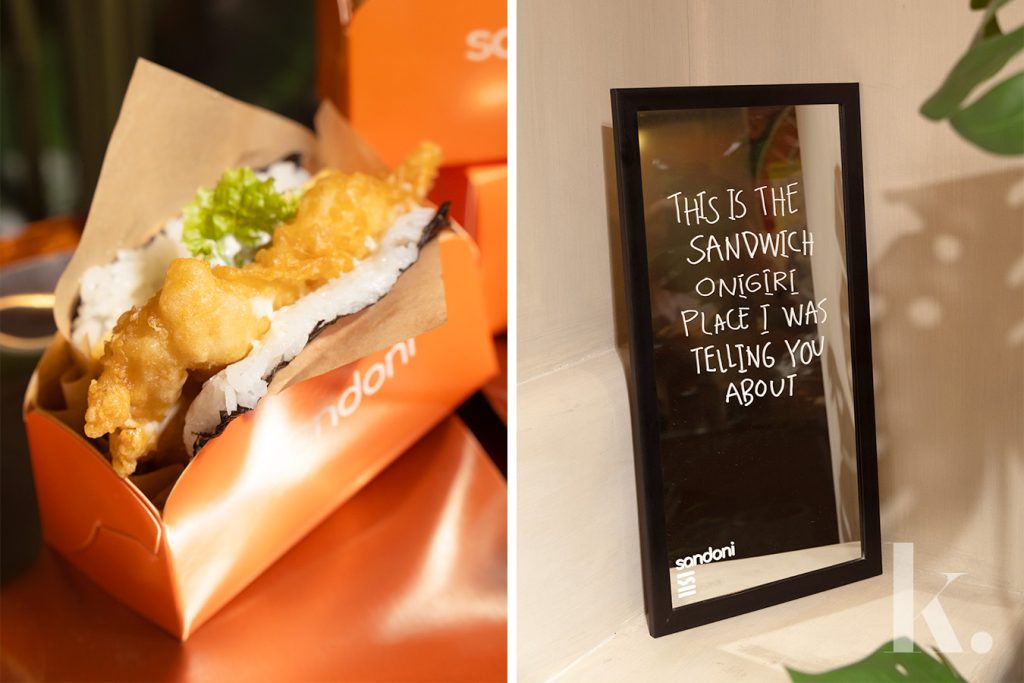
Something is refreshing about that approach because Sandoni isn’t trying to completely reinvent the way we eat. It’s simply taking something familiar and presenting it differently. And sometimes, that’s enough to make people curious.
So, What Should You Try First?
If you’re visiting Sandoni for the first time, the Classic is probably the easiest place to start. The combination of Spam and egg is familiar enough that you already have an idea of what you’re getting into, even if the format itself is new. But the team isn’t too particular about where you begin. They have their bestsellers and crowd favorites, but they encourage people to try whichever flavor catches their attention.
After all, there isn’t really a wrong place to start.
What they’re most proud of isn’t necessarily one particular flavor or even the concept itself. It’s the fact that after all the experimenting, preparation, and work that went into creating Sandoni, they can confidently say that what they’re serving is delicious. And perhaps even more meaningful is seeing people come back for it.
From discovering onigiri and onigirazu in Japan to experimenting with their own version in Cebu, Sandoni has grown from an idea that simply excited three people into a food concept that other people are now getting excited about too. For anyone curious about what happens when a sandwich meets an onigiri, Sandoni might just be worth adding to your Cebu food list. Just make sure you come hungry.
Photography Kyrra Kho