

A thing I remember from my late dad was the concept of “Time and Motion.” He didn’t like wasting time and liked being efficient because, in his own words, “Tapulan bitaw ko ‘nak.”
Perhaps it was true; he liked delegating stuff to people all the time, but it didn’t look like he had free time anyway. He was always busy, traveling for work every week, besides his many side projects here and there.
Even our trips back to our hometown were basically him having to do some work there. He slept in transit. One day I’d hear he’s in Bacolod, and then in Davao the next. Randomly I’d get a text saying he’d love to have dinner because he’s in Cebu, but we couldn’t meet anyway because I was busy too. Like father, like daughter. Unfortunately, I’m not as smart as my dad. My other sisters got his fast wit.
That busyness was probably one of the things that sent him to an early grave, but at least the people who knew him respected his work ethic. Among me and my siblings, I probably spent the least time around him, because we were both just busy.
Love you, Pa. I’m sorry for turning you into a poster boy for busy people, but I bet you’d get a laugh out of this, wherever you are.

He actually tried to connect and make time for us when we got older, but I was the busiest of us all.
“Booked and Busy” was a source of motivation in the self-improvement, abundance mindset witchy spheres when I was in my late 20s.
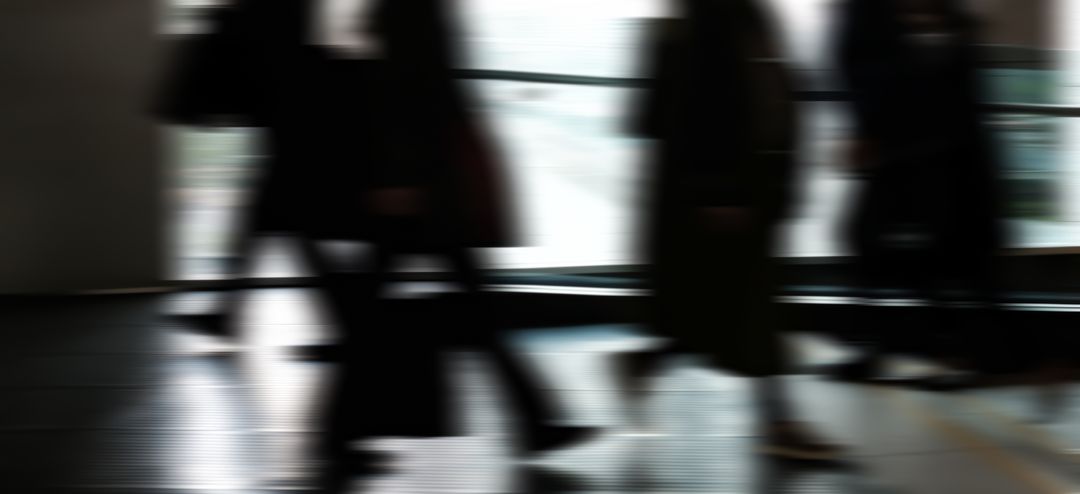
People use being busy as an excuse for just disconnecting for days or weeks, as if it was a badge of honor, or a shield that makes them immune from other commitments. I’ve had people send me walls of texts explaining all the things they did the past week to justify not following through with something we were supposed to discuss, a thing I do sometimes. The busy executive or CEO whose calendar was always full was highly regarded—they were needed—of course this stereotype could play out in real life too. Busy validates people and gives them some form of moral ascendancy. Busy gives them purpose. Busy makes them cool and their flaking out valid.
But really, life is just hectic and busy all the time, so of course we forgive them.
When Did We Decide It Was Cool to Be Busy?
While I’m not well-equipped to give anyone a history lesson on productivity (or the economy actually), it seems that romanticizing being busy is tied to people’s outputs and productivity.

Photo: Pexels / Ian Panelo
Before the Industrial Age, we used to base our actions and plans according to the seasons—we had a time for planting seeds and tilling the lands, which determined the yield of our crops and the fruits we enjoyed in a particular season. The line between work, exertion, slowing down, and rest was much more defined, especially in a predominantly agricultural society. The upper class (which included our colonizers, landed gentry) were exempt from this and always had free time, though, able to do more with it, “to keep busy” in their own way. While the average peasant spent time producing and laboring for their masters, the rich were keeping busy with art and culture. It’s always been about time and how people used what they had. Think of the word preoccupation; what keeps one “preoccupied” will be different depending on their status in life.
Today, labor rights and unions have been formed and shorter work weeks applied—giving more people freedom to do what they want with their time—capitalists have found loopholes to get us doing more for profit. Fast fashion and all the shiny pretty things that we consume daily; gadgets that we need to update every year, travel goals, all tied to our ability to do things for clout and prestige. Even the journals and planners you buy where you write down your tasks have their place in social media circles now. Productivity and being busy became the gauge for someone’s value, not just materially, but in eminence and esteem as well.
We revere the busy bee, but forget that bees actually plop inside flowers to rest in the middle of pollinating them.
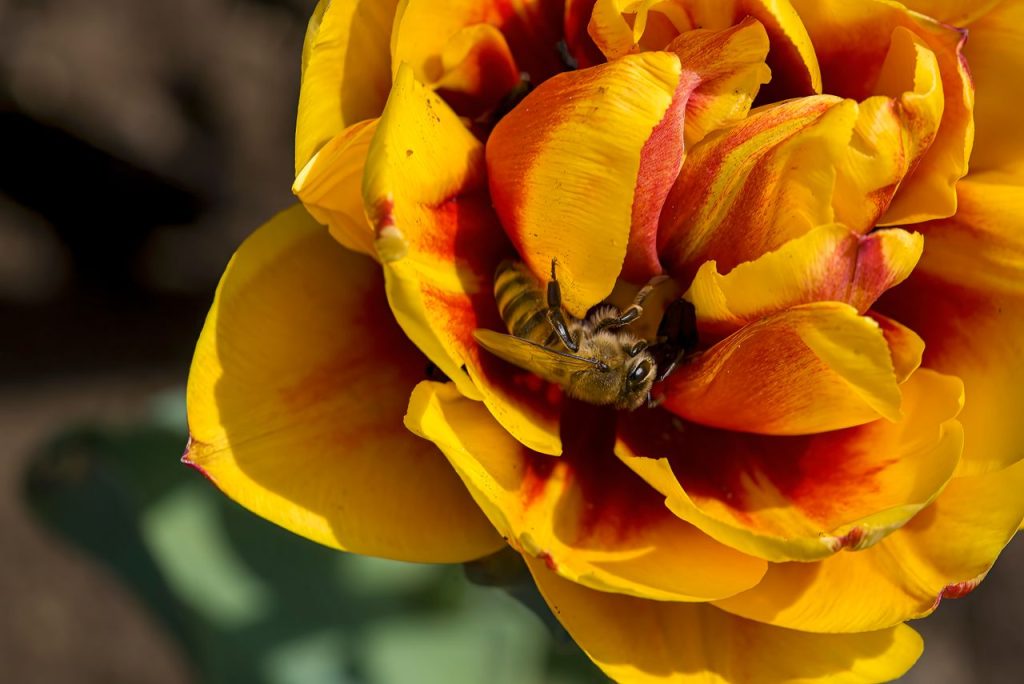
Photo: Pexels / Lubomir Vladikov
What Do We Get Out of Being Busy?
The definition of busy has changed forms in the past decade, as the concept of optimisation and “-maxxxing” every aspect of our lives became aspirational. Should romanticizing being busy be called “Task-List-maxxxing,” or “Activities-Maxxxing?”
Last May, I attended a restorative yoga class at the local studio facilitated by a friend who was visiting from New York. In a restorative yoga class, you’re mostly lying down, with a prop or a bolster to help you out. You’re trying to be still, not breaking a sweat at all. This was actually a feat to do. My brain struggled to keep quiet, and in every supine pose, that small voice in my head was complaining about how I could’ve spent that hour—maybe actually doing an exercise that rewarded me with muscle contraction or sweat. Why am I not rewarded with the same satisfaction from doing a supine butterfly pose as I do from a headstand? Why can’t I just accept that emptiness and space are just as essential?
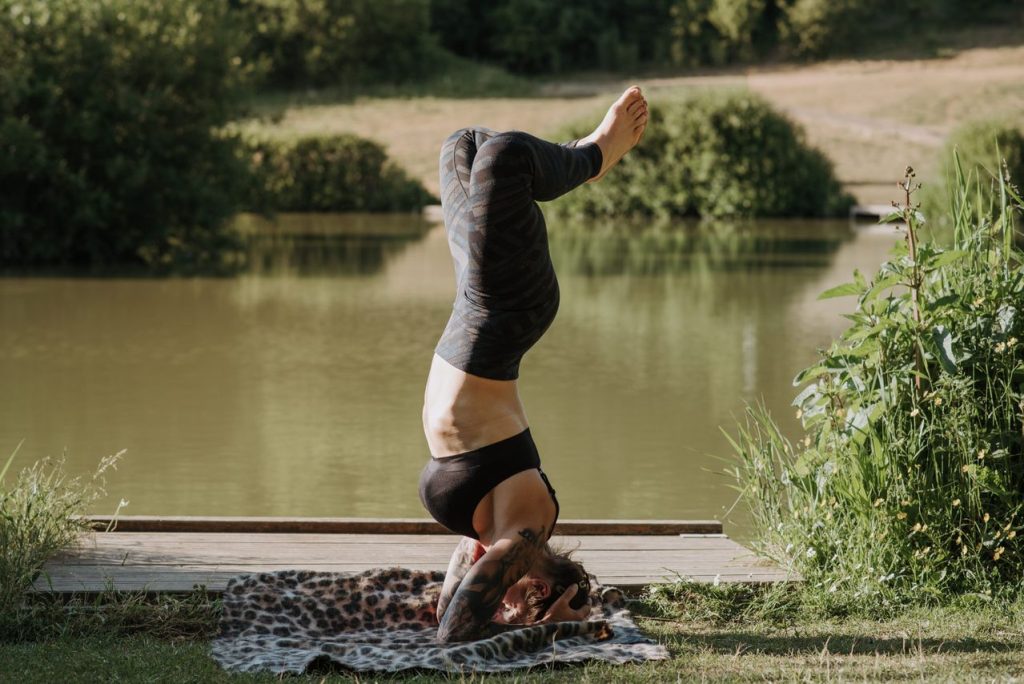
Photo: Pexels / Anete Lusina
Value. Validation. Visibility.
The world in the past thousand years has been dependent on yields, output, results; everyone’s fixated on making the most of everything, and having More. We’ve been conditioned to work towards proving ourselves worthy, as if our existence didn’t matter unless there was something to show for it.
Claiming to be busy was an easy way to acquire validation. A busy person’s Instagram stories alone could exhibit all the activities they’ve supposedly done within the last 24 hours. In a culture of optimization, making busy an identity is just another form of consumption, and consumption a means of validation and connection. The default stopped being at rest. We’re just moving all the time now.
And somehow people either applaud or empathize with being busy. We’re so disconnected from one another that being busy these days is one of the only things we talk about. Therein lies the problem: People misconstrue validation and affirmation from others as the only way to relate with one another.
If we’re so starved for connection, maybe it’s more worthwhile to just admit that we can have free time, and actually have free time. Free time you can spend with people you miss and love.
Why can’t we just allow ourselves to be and feel empty?