

Ube has been making its rounds on social media lately, and though I’ve never been quite a fan of the flavor, I feel an inexplicable frustration whenever I hear it being mispronounced as “oob.” Just one of the pitfalls of fame, one might think. Until you discover that Philippine farmers have actually been facing significant losses with the demand, then it seems like getting its name right might just be the bare minimum.
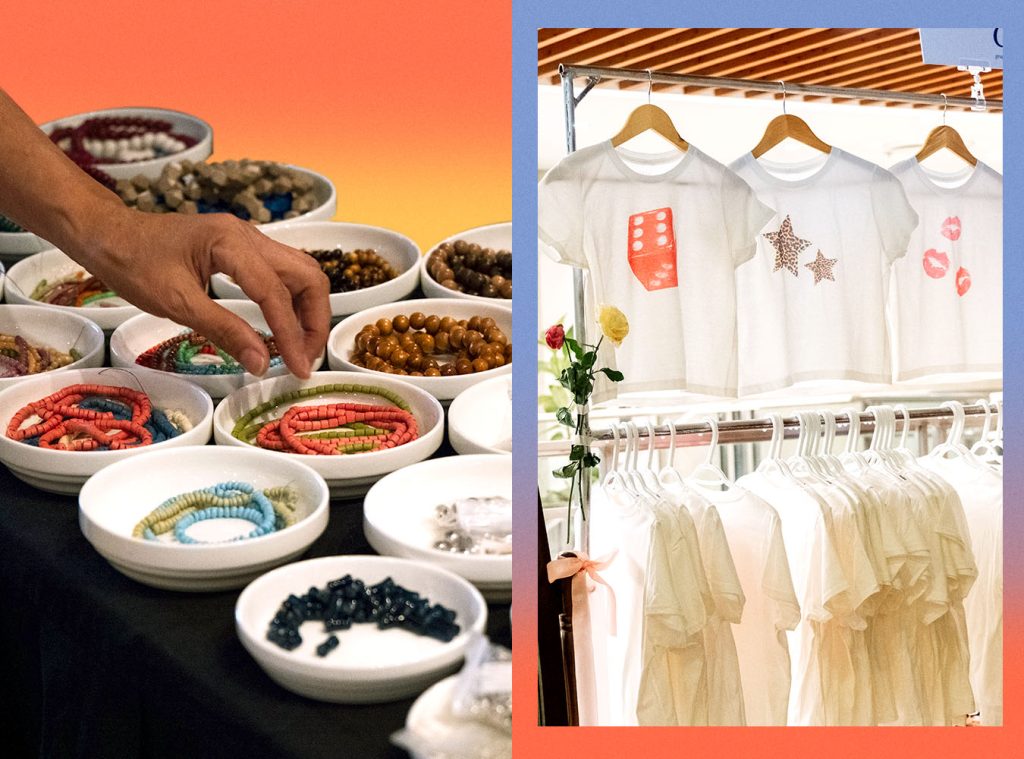
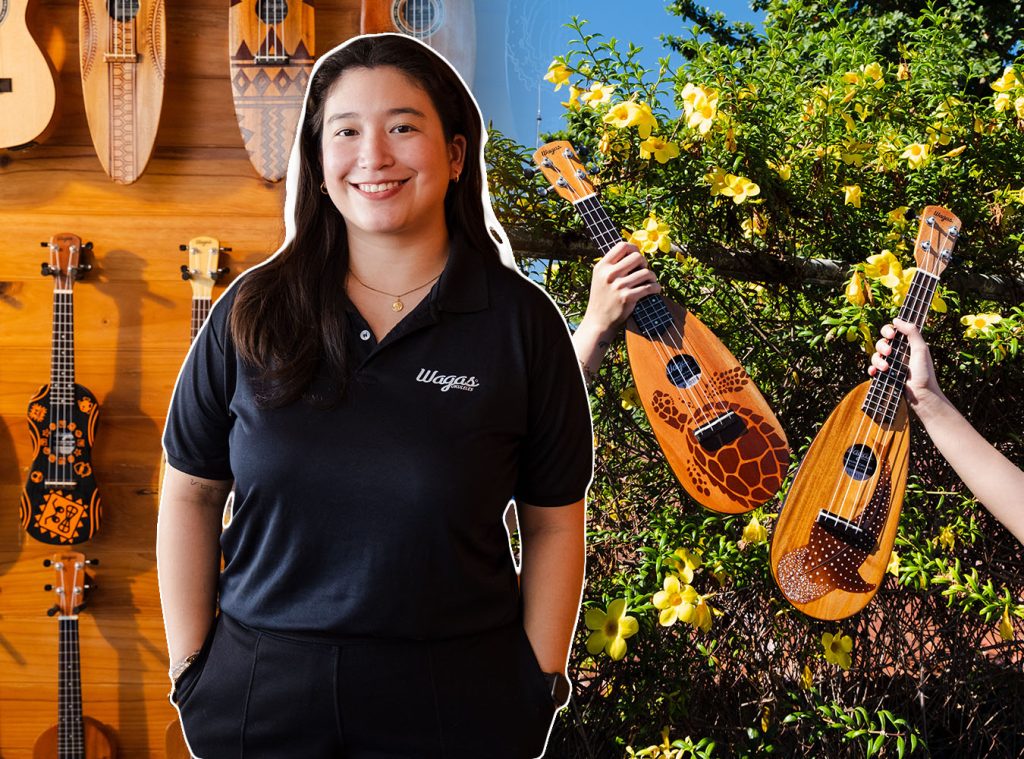
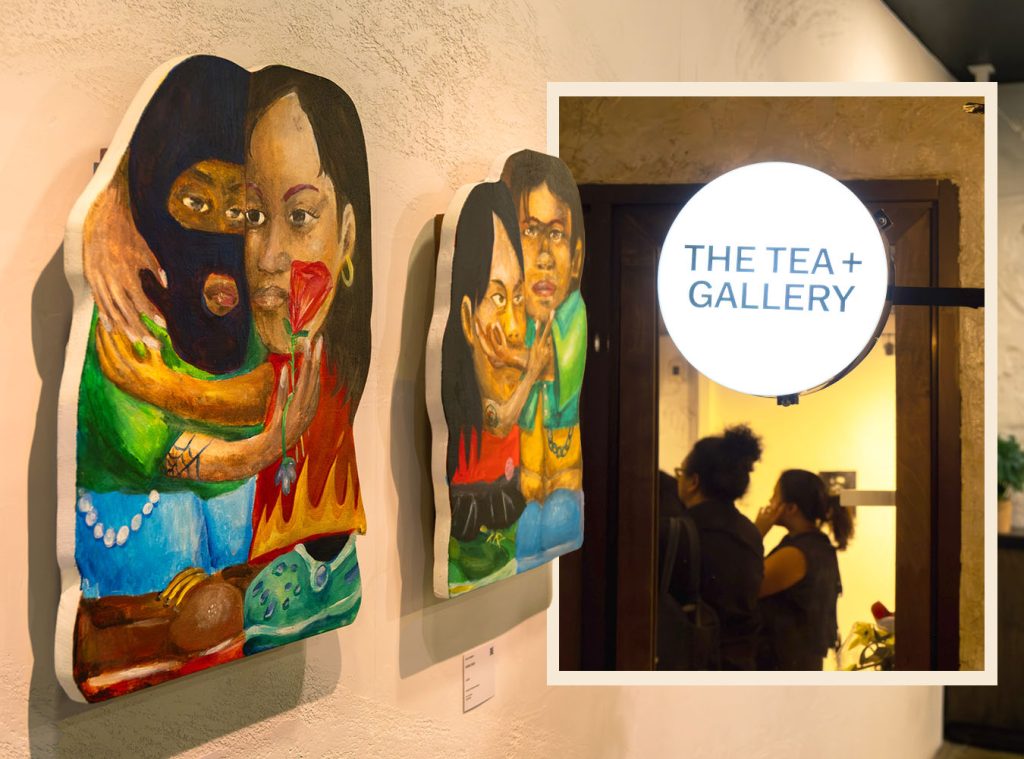
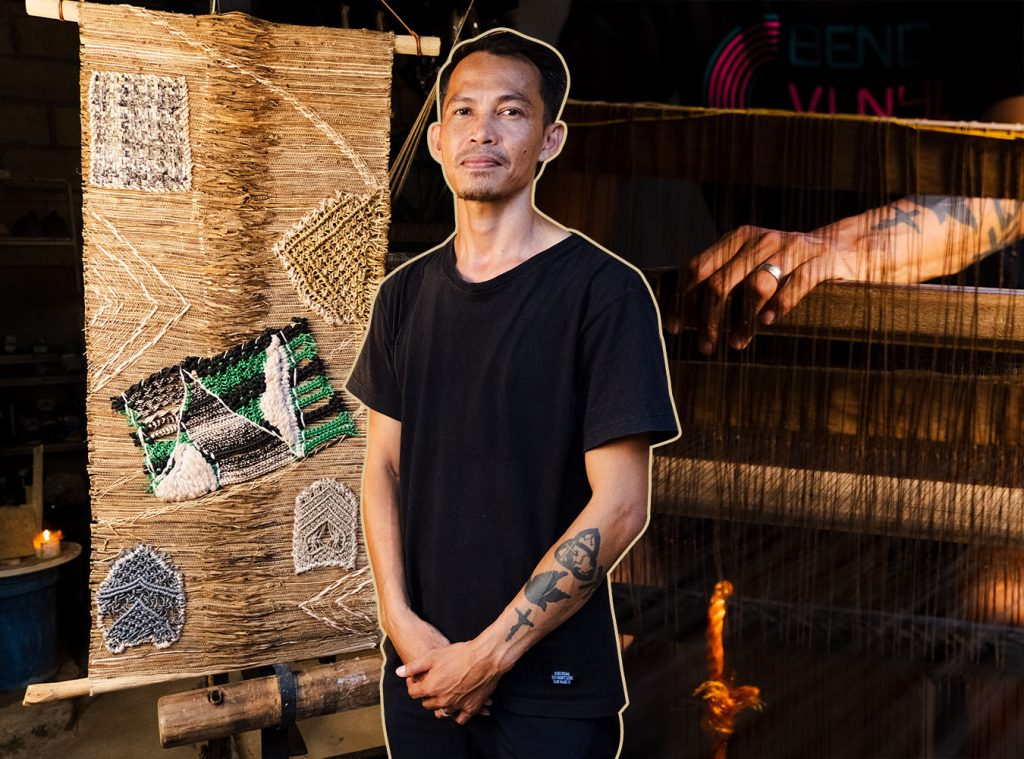
This is not exclusive to the global scale. With the rise of the market for local artisanal goods, we’ve popularized our culture and heritage and turned them into trends that end up taking lives of their own. Michelin recommended Filipino restaurants that serve deconstructed lutong-bahay classics; highly-praised handwoven bags hashtagged #FashionTokPh; Instagrammable flea markets meticulously curated with small-batch local crafts and produce—all visible for their virality, but can we say the same for what they really are and the stories they stand for?
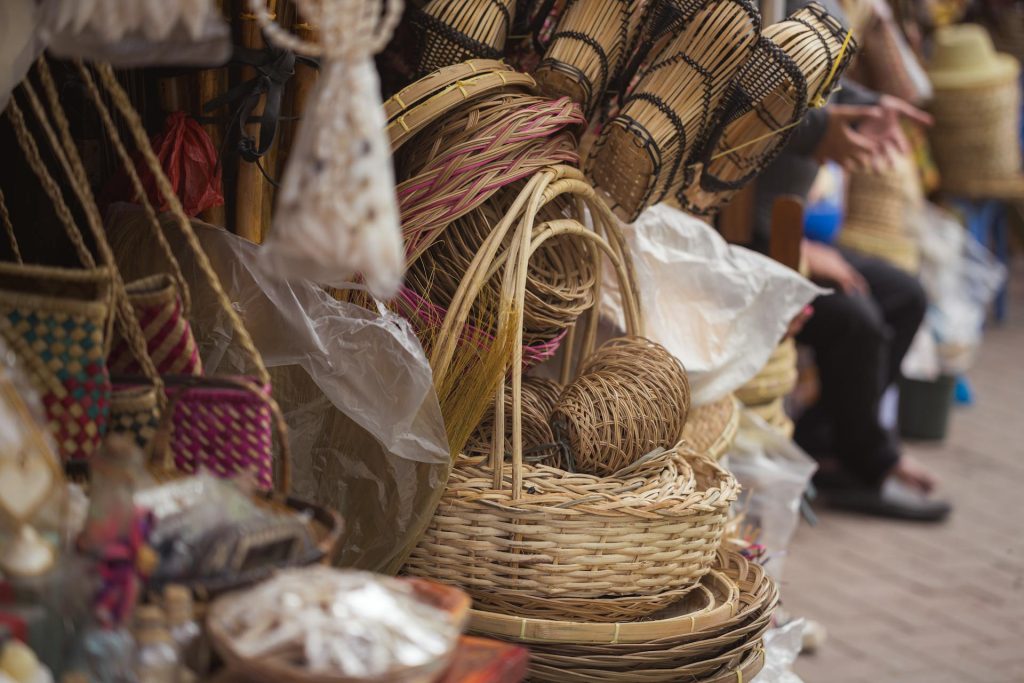
Photo: Pexels / Ramius Aquiler
As this May marks National Heritage Month, this is a question worth asking and answering.
Our Heritage is Everywhere for those with Eyes to See
If there’s one thing our heritage has now that it didn’t have before, it’s creative marketing and branding. We live in an era where it’s promoted with a full-scale production, pairing strategic persuasion and carefully selected aesthetics to sell. An entire linen summer set from a small brand with a single deep Tagalog word for its name is chic and tasteful. There’s a hole-in-the-wall cafe right around the corner that serves their drinks with asin tibuok; it’s a historically immersive experience.
It’s an amazing development in society, really. We’re able to rediscover parts of our culture and heritage through artistry and creativity, ultimately platforming and preserving our Filipino identities. But while it’s not a problem to be drawn to commercial appeal and marketability (coming from a woman who loves to shop local and works in marketing), these shouldn’t have to be a requirement for our engagement.
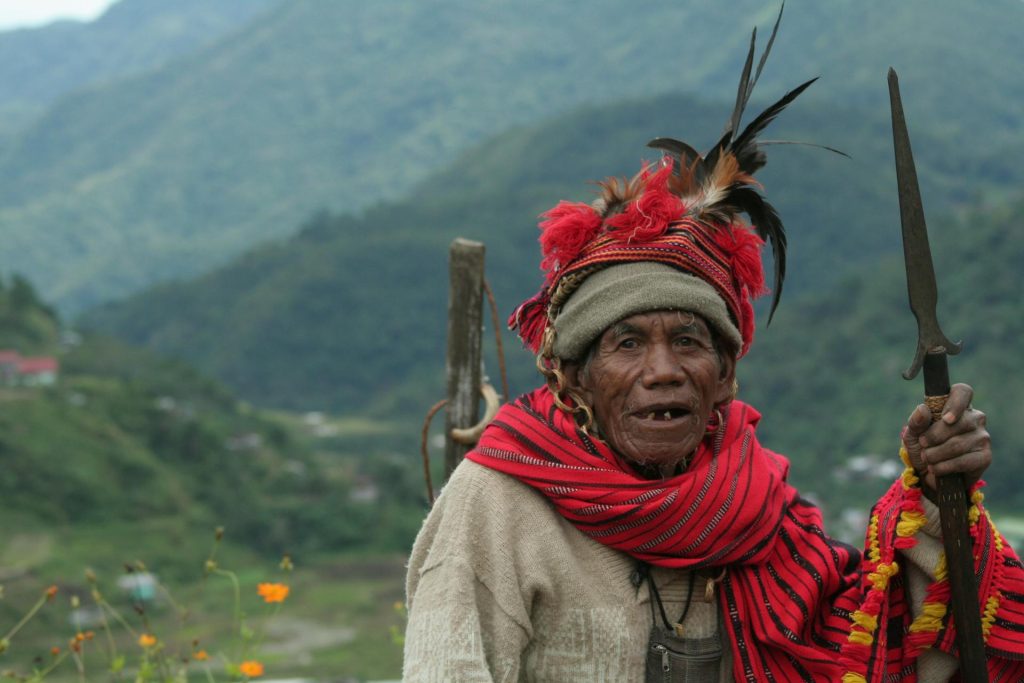
Photo: Pexels / Mervin Concepcion Vergara
The truth is that our heritage goes beyond what we see in the mainstream market. It is found in the fresh farm-grown produce delivered to the bustling public palengkes at the crack of dawn. It’s a good deal for rare fish offered to you by your suki. Unposed and unfashionable, it’s a matter of seeing it for what it is: not a campaign nor a trend, but a shared lived reality.
Our Culture (and Heritage) Is Not a Costume
A specific local brand I can’t seem to get out of my mind is HaloHalo. Known for their pastel woven bags that mimic the traditional banig mats, they had been all the rage online a few years ago. On TikTok, every lifestyle influencer and their moms had it. Collectors also flaunted the many styles they were able to get their hands on, which was a flex at the time, considering how quickly they sold out. Until such time, banig bags in general were often described to radiate the HaloHalo vibe: editorial, Salcedo Sunday market core, if-you-know-you-know it girl energy.
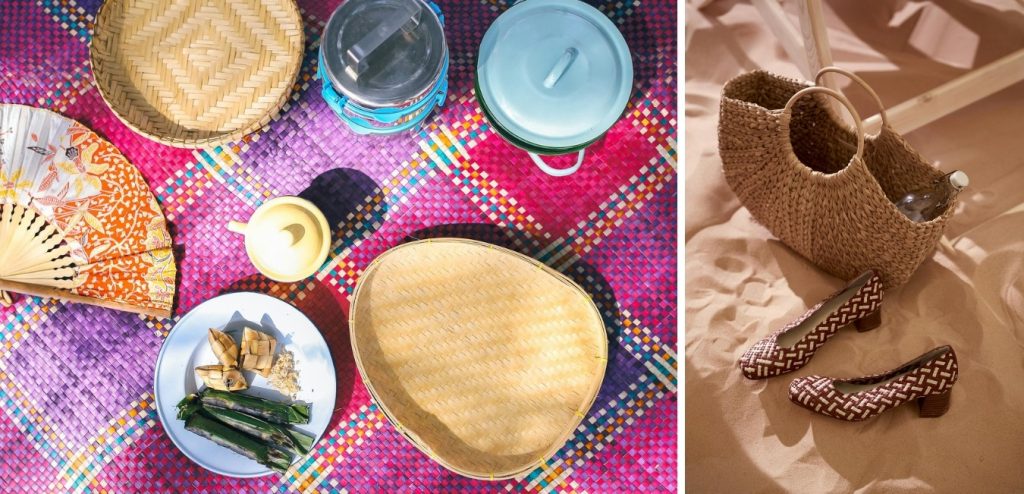
Photo: Pexels / Din Aziz, cottonbro studio
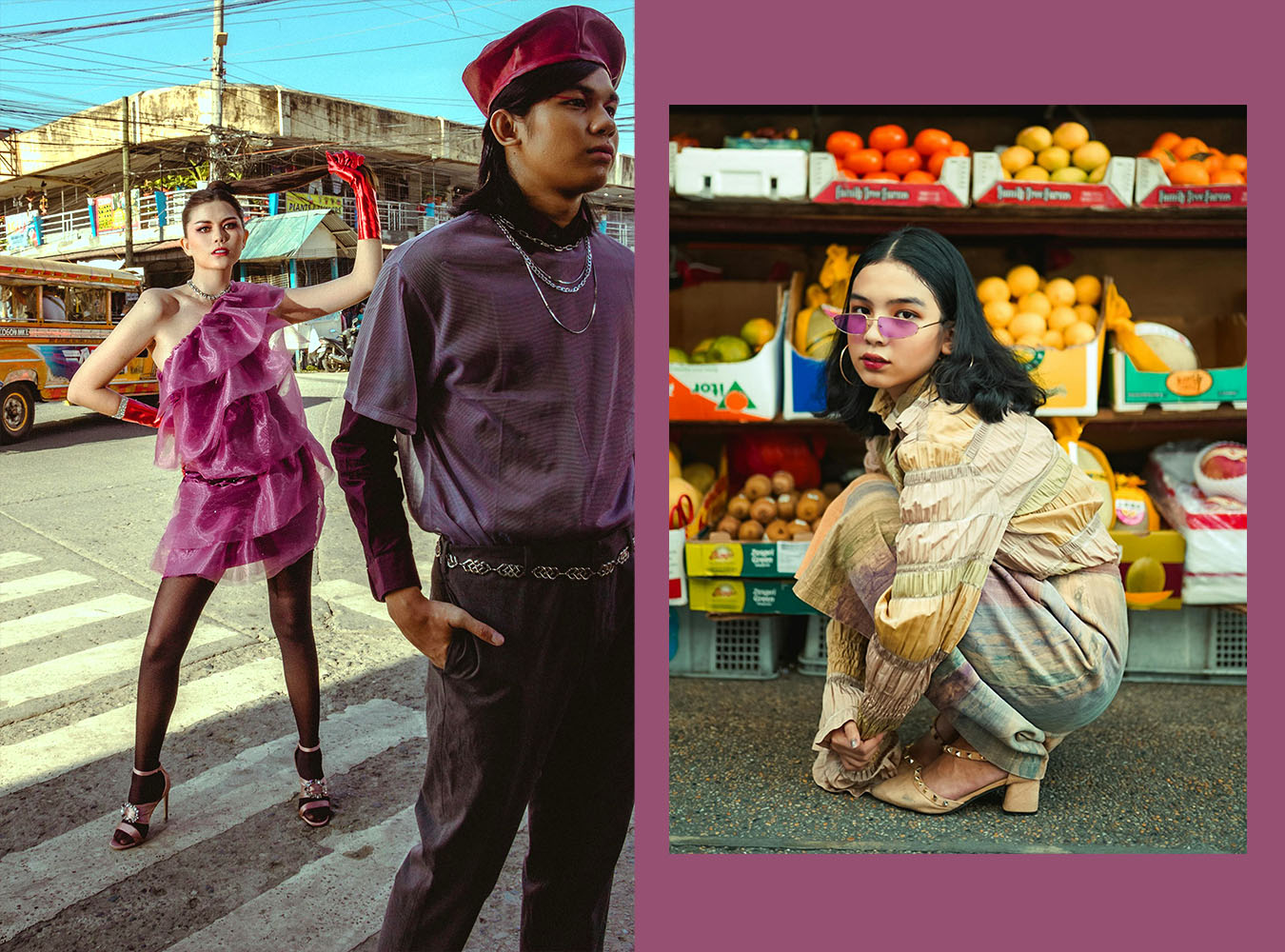
This is not a new phenomenon. The narratives on different parts of our heritage have evolved to be something to emulate. Thrifting at local ukay shops signals sustainable niche queen. Pairing flip flops with your Levi’s jeans and your Uniqlo top reads as 90s nonchalant and cool. Banig bags now give HaloHalo. The issue with these is neither Filipino artsy merchandise, nostalgic movements, nor the people who like them. Rather, it’s the way we may unconsciously engage in our heritage as a performance instead of an experience.
Our heritage isn’t an impression to give. Ukay, being the most accessible and affordable option for people of all backgrounds to shop, is supposed to symbolize our resourcefulness. We’ve worn slippers since forever as a practical choice for tropical island living. Banig bags are meant to represent indigenous livelihood and our connection with nature. These are all our stories, the threads woven into our existence, and they deserve more than being reduced to a look we can just choose whether or not to execute.
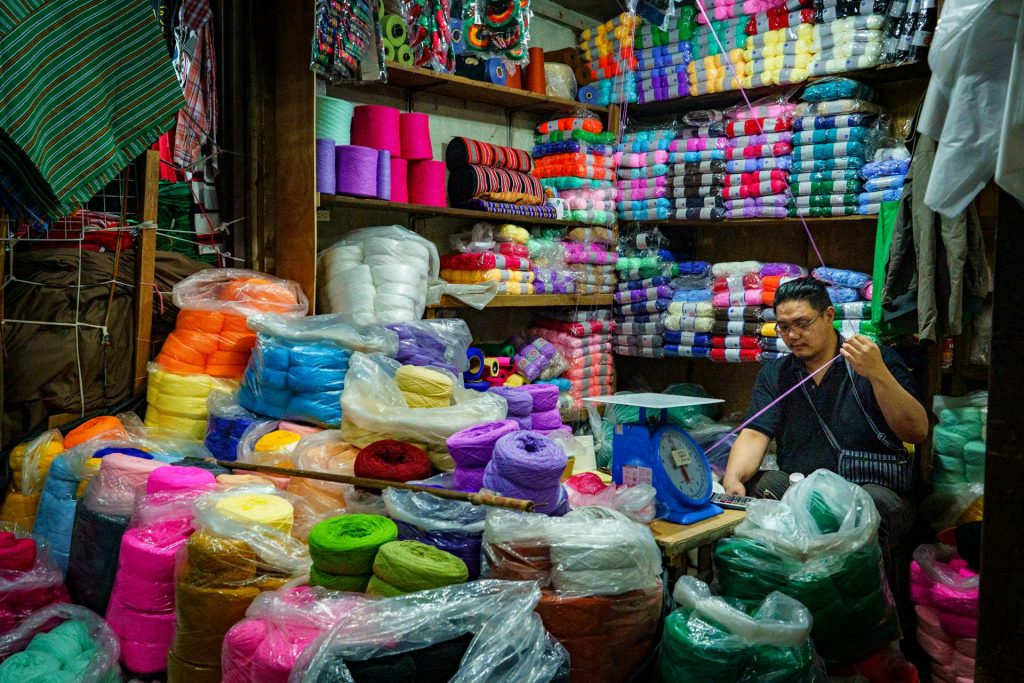
Photo: Pexels / Christopher Panapan
What Can We Do?
It doesn’t cost much to preserve our heritage and its integrity. All it takes is a willingness to learn, along with intentional, honest work.
You can never be too aware of the many ways our heritage surrounds us and how it’s embedded in our everyday lives. So yes, go to museums and heritage sites. But make sure you don’t skip your local market, your parish, or the decades-old karinderya that’s been your grandmother’s go-to spot since she was in college. These places might be ordinary, but they are where you will see how the ones who came before us were shaped, and how they make up everything around us.
Likewise, it’s worth connecting with your community. Speak to the people around you: the elders who remember, the organizers who gather, and the craftsmen whose hands have kept old practices alive. It is in their stories that we get to be part of the bigger narrative, that we are able to experience our heritage as we know it now.