


When people hear “postpartum depression,” it is often reduced to a passing sadness after childbirth. An overwhelming phase that fades once a mother learns the rhythm of sleepless nights, when feeding becomes easier, the baby gains weight, and life slowly settles into a routine. But postpartum depression is not that simple.
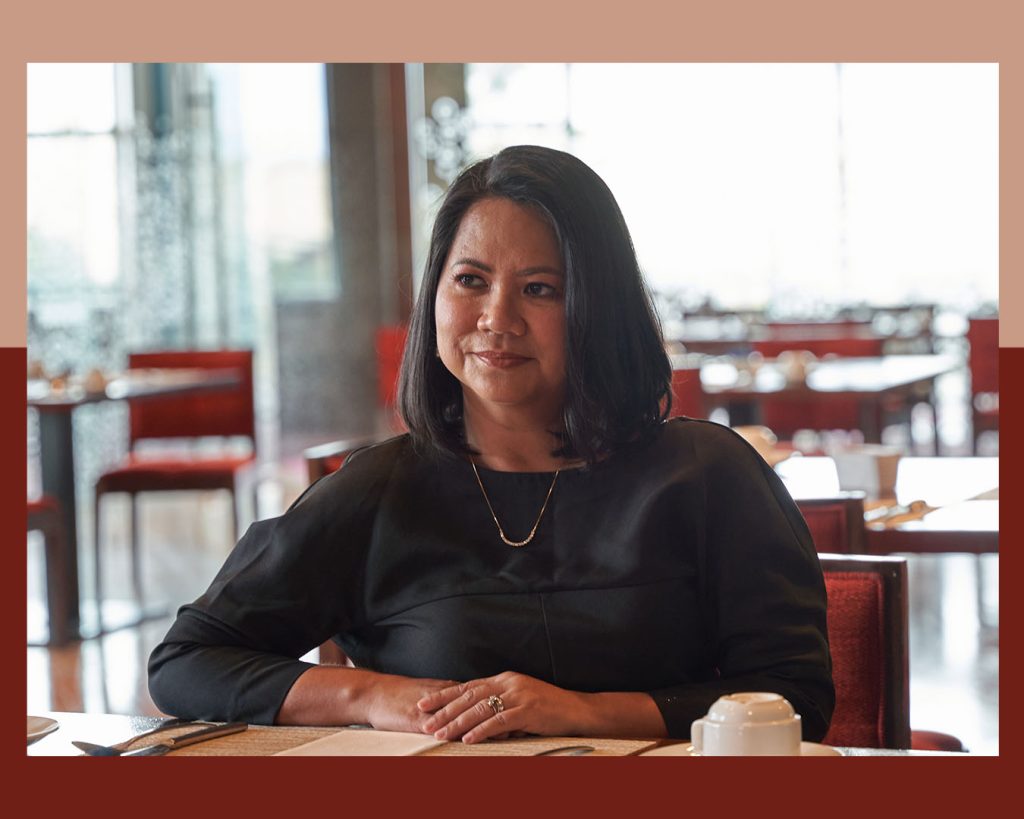
As Dyan Gayas, a mother of two, physical therapist, entrepreneur, and postpartum depression survivor, describes it: “It’s a feeling that’s hard to put into words. I felt like I was inside a four-walled room; there was nothing else to see beyond it. I could only hear my thoughts, and they felt overwhelming, confusing, and at times, dark… even when everything around me seemed normal. And I just kept crying for no reason.”

There were moments she would look at her baby and feel disconnected, even questioning reality. “I would think… What if she’s not my baby? What if she got switched?” This is what makes postpartum depression so difficult to understand from the outside, and sometimes, even for the mothers experiencing it themselves.
Baby Blues vs. Postpartum Depression
One reason postpartum depression is often missed is that it can be mistaken for something more common: the “baby blues”.
Many mothers experience baby blues in the first two weeks after giving birth, marked by mood swings, tearfulness, and emotional sensitivity. It’s a temporary response to hormonal changes and the adjustment to a new routine.
But postpartum depression goes beyond that. When the feelings don’t ease and instead become heavier, more persistent, and harder to manage, it may no longer be baby blues.

In Dyan’s case, the signs weren’t immediately recognized. Because she didn’t experience postpartum depression after her first pregnancy, the people around her assumed she was simply adjusting again. But as she came to understand, postpartum depression doesn’t follow a predictable pattern. A mother can go through one pregnancy without it and experience it fully in another.
“I also had no PPD with my first,” she shared. “So when it happened with my second, no one around me really saw it coming. And neither did I.” Because of this, it can be easy to overlook, especially when everything seemed “fine” before.
Finding Relief in Being Heard
At first, Dyan kept everything to herself. For months, she would quietly step away, often retreating to the bathroom just to cry, holding in what she couldn’t yet explain, even to herself.

She tried to return to work, but nothing felt enough. Even with her husband reassuring her that she was doing well, the feeling didn’t go away. As the weight of it all continued to build, she reached a point where she could no longer keep it in. It was as if the four walls she felt trapped in had finally formed a small window, and she chose to speak through it.
She shared her struggle on social media.
Family and friends responded with empathy. But what she didn’t expect was the response from strangers—women who recognized themselves in her story, who were going through the same thing.
“Moms messaged me,” she shared. “Many were experiencing it too.” For the first time, she realized she wasn’t alone. What began as an outlet became a connection. And in being heard, she slowly began to feel seen. Not questioned, not dismissed, but understood.
The Power of Community
What began as messages with strangers gradually grew into something more. Dyan found something she didn’t realize she needed: a sense of community. The conversations became more frequent, and over time, they formed real connections—friendships built not on familiarity, but on shared experience.

Through that connection, she began to take small steps forward.
“I also pushed myself to slowly go out,” she shared. “Every Saturday.”
Little by little, she began reconnecting. Not just online, but in real life. “I started talking to people again. Face to face,” she said. “Something that felt so difficult before.”
A Message to Mothers, Partners, and Those Afraid
Looking back, Dyan carries one clear regret.
“I wish I had asked for help sooner.”
It took her 11 months to move through postpartum depression—months of trying to understand what she was feeling, often on her own. She has also seen how long it can last for others.
“I have a friend who went through it for two years,” she shared.
For many mothers, the experience lingers longer than expected, especially when it remains unspoken. And Dyan understands why. “In our culture, especially as Filipinos, we’re not always open about what we’re going through,” she said. “There’s this tendency to hide it because of shame or uncertainty of being understood.”

But her message to mothers currently going through it is clear: “It’s nice to have people around you. They’re the ones who can help you. Don’t be afraid to be judged, talk to them so they can understand.”
For those afraid of experiencing postpartum depression, especially women who feel it might stop them from becoming mothers, she offers reassurance rather than fear. “There’s no proven way to prevent it,” she said. “We can’t predict if we’ll go through it or not. But there are ways to prepare. Have honest conversations with your partner, build a support system, and you can educate yourself before stepping into motherhood.”
Because while postpartum depression may be uncertain, support doesn’t have to be.
For husbands and partners, her message is equally important.
“Pregnancy is hard for your wives,” she said. “There are so many changes. Sometimes, we feel like we lose a part of ourselves. Be there for your wives. Help them get through it. Educate yourselves, too, so you can understand what they’re going through.”
Eleven months it took to find her way through. One Saturday at a time, one conversation at a time, one connection at a time. And if there’s one thing she wants every mother reading this to hold onto, it’s simply this: you don’t have to go through it alone.
Because for Dyan, one thing became clear through it all.
Healing doesn’t happen in silence. It begins when someone is willing to listen.