

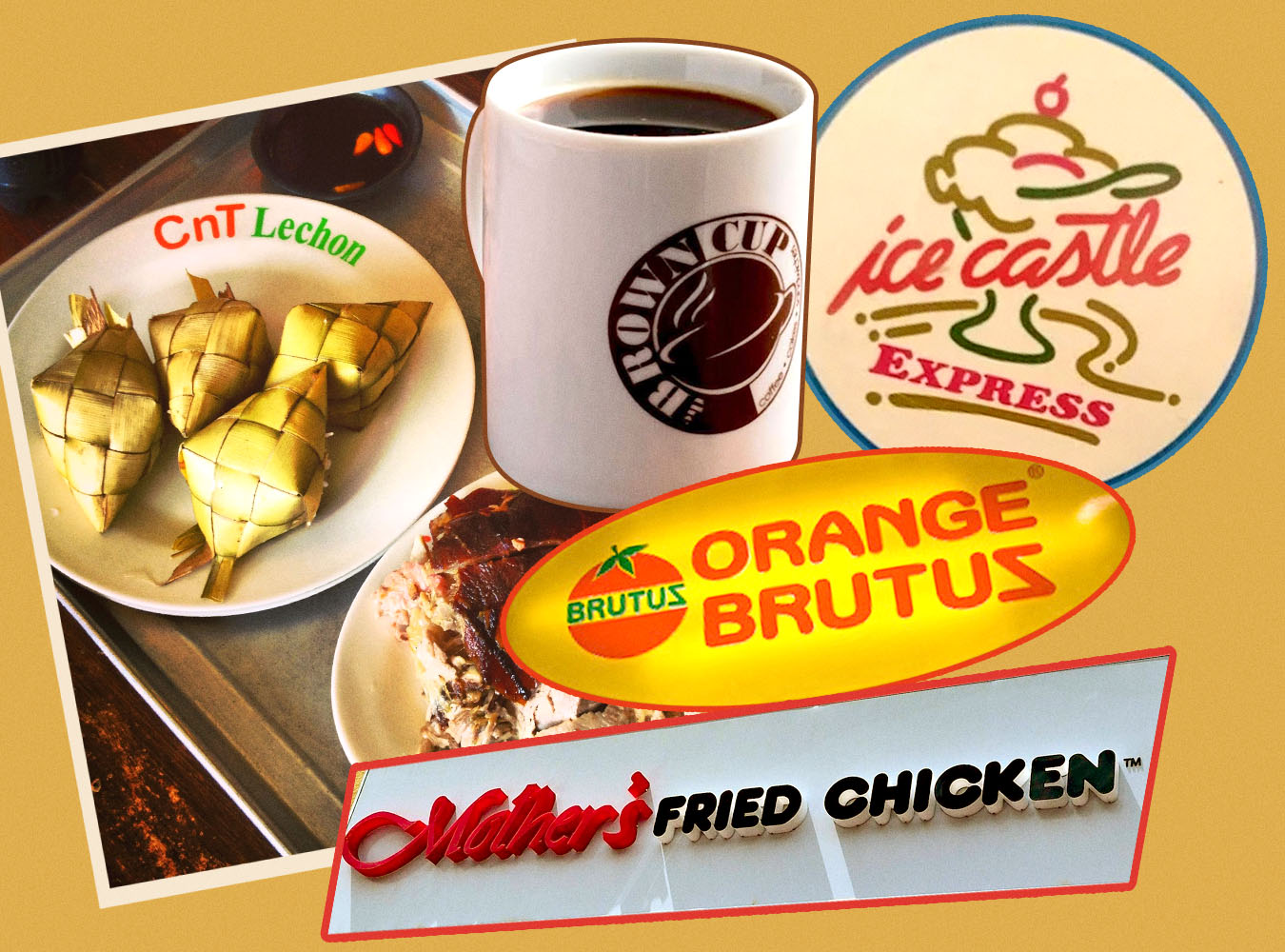
Some cities mark their heritage with monuments. Cebu marks its with food. But not the kind you photograph or review. The kind you just know. The kind that exists in your memory before you even think to ask how long it’s been there.
This Heritage Month, it’s worth stopping to ask that question. Because scattered across this city are restaurants and food places that have been feeding Cebuanos for decades, some before the internet, some before Jollibee, some before most of us were born. They didn’t trend. They didn’t relaunch. They just… stayed open.
And the more you look at them, the more you realize: that’s not a small thing.
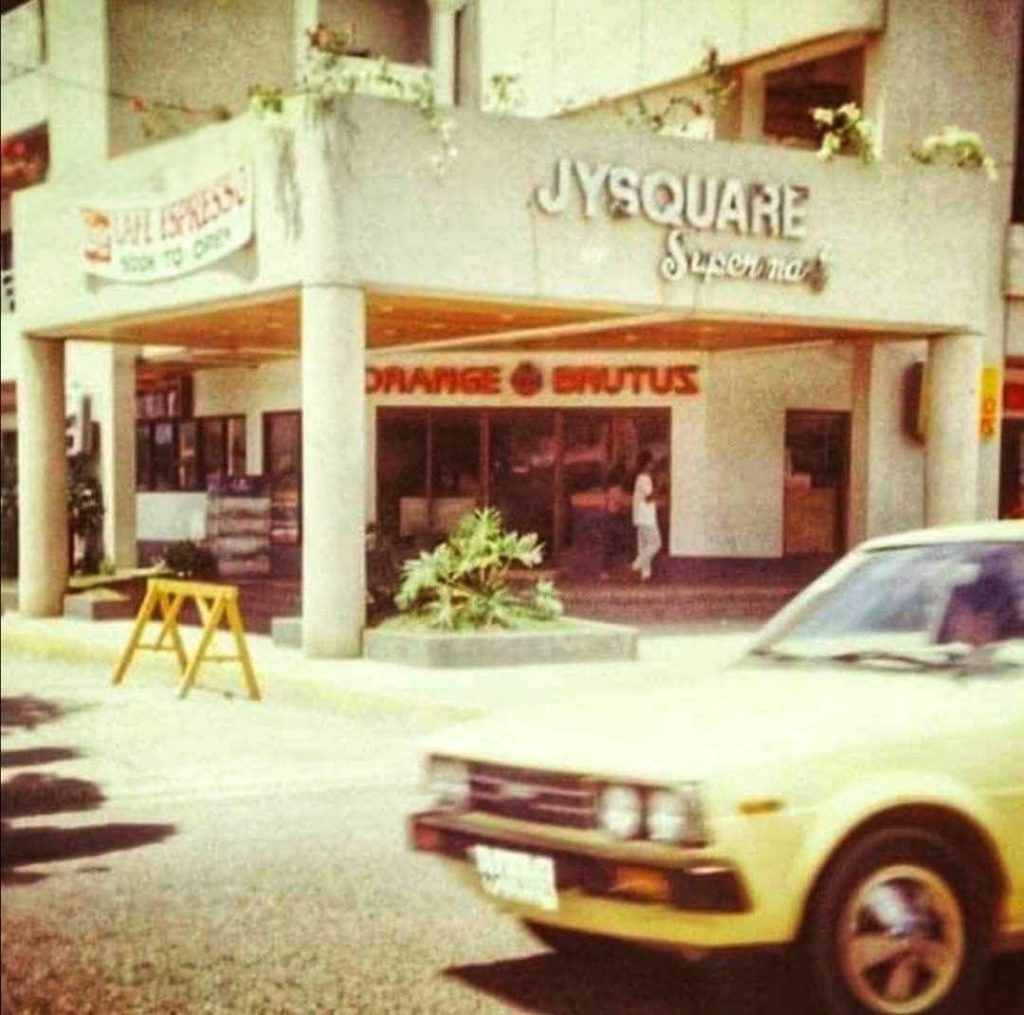
Take Orange Brutus. It opened its first store at the historic Colon Street in 1980, arguably Cebu’s first hamburger food chain, founded by Earl Kokseng and Efrain Pelaez Jr. It introduced Cebuanos to the hamburger before any international fast food chain set foot on the island, building its following entirely on word of mouth. No billboards, no mascots, no jingles. Just the same sizzling burger steak and a gravy that people refused to go without. When Jollibee finally arrived in Cebu in 1992, Orange Brutus had already been open for 12 years by then. Orange Brutus didn’t flinch. It just kept cooking. Forty-five years on, it still is.
Not far behind in age is CnT Lechon. Catherine and Norman Quijada started it in the late 1980s as a very small enterprise, selling one lechon every Sunday to their neighbors in Guadalupe. The name came from their daughters’ initials (although some claim it comes from the initials of all family members: Catherine/Charmaine, Norman, and Tiffany).
But that’s it. No grand strategy. No branding consultants. Just a roasted pig on a Sunday and a neighborhood that couldn’t stop talking about it. It grew the way things used to grow—slowly, through trust, through repetition, through the kind of quality that people tell other people about. It’s still there on V. Rama Avenue, still chopping lechon in front of you, still drawing a line.
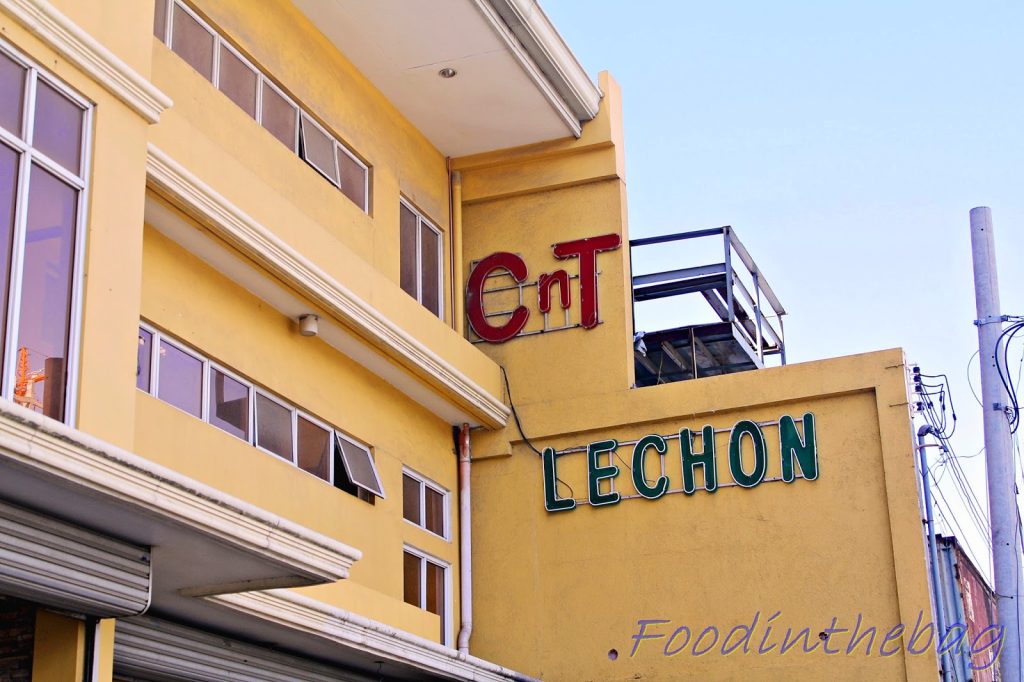
Photo: Food in the Bag
There’s something almost defiant about the way these places operate. And then there’s the Uytengsu family, who didn’t just open a restaurant. They introduced an entire food culture to Cebu. Ding How arrived on Colon Street in 1969, bringing dim sum to the city for the first time. From that single shop, the family built what is now the Harbour City Group: Ding How, Ding Qua Qua, Harbour City, and Dimsum Break—all under the same family, same recipes, same DNA, now with 35 restaurants nationwide. For generations of Cebuanos, one of these names was simply where you went for dim sum. Not because of an ad you saw. Because your parents brought you, and their parents brought them.
That same muscle memory runs through Ice Castle, which has been the city’s reference point for halo-halo since it opened its first outlet at Raintree Mall on F. Ramos Street in 1993. Every new halo-halo spot in Cebu is measured, consciously or not, against what Ice Castle built. It never tried to modernize the concept. It just kept making the same generous, no-fuss halo-halo that Cebuanos grew up with, and that was enough.
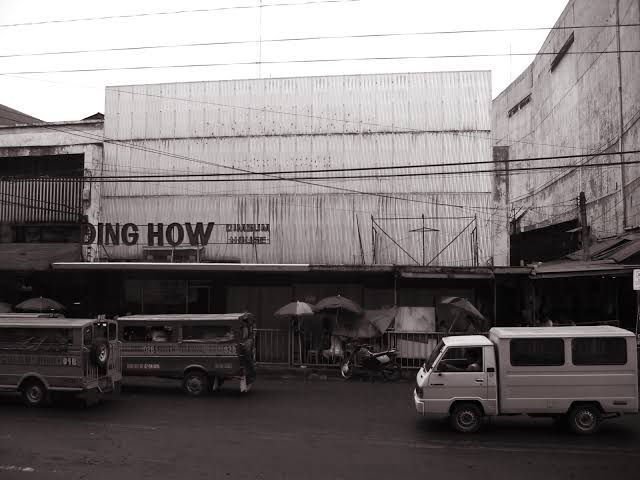
Photo: Facebook / MEMORIES OF OLD CEBU, Dylan Carlo L. Gallegos
Some of these places have a quiet identity that younger Cebuanos might not even be aware of. Handuraw Pizza, now settled in Mandaue, is a case in point. It was in 2004 that the Pestaño-Smith family started the business out of a desire to create a place where local musicians could hang out. It began as an events café before pizza became its calling. “Handuraw” is the Cebuano word for the power to imagine. That philosophy shaped everything about the space, from the thin-crust pizza developed through feedback from local musicians to the live music that’s been a fixture since the beginning. It is proudly, specifically Cebuano, and it has been for over twenty years.
Brown Cup opened in 2004 as a simple coffee shop before evolving into a café that served rice dishes alongside its coffee at customers’ request. The business listened and adapted, but never chased anything. Corner Bakery carries a similarly quiet origin story. It began simply as a hobby, with owner Michelle Ng baking from home in her condo. Neighbors kept asking if what she was baking was for sale, and by 2007, she opened a shop. It has stayed at the same location in Kasambagan ever since, still baking the same things, still drawing the same crowd.
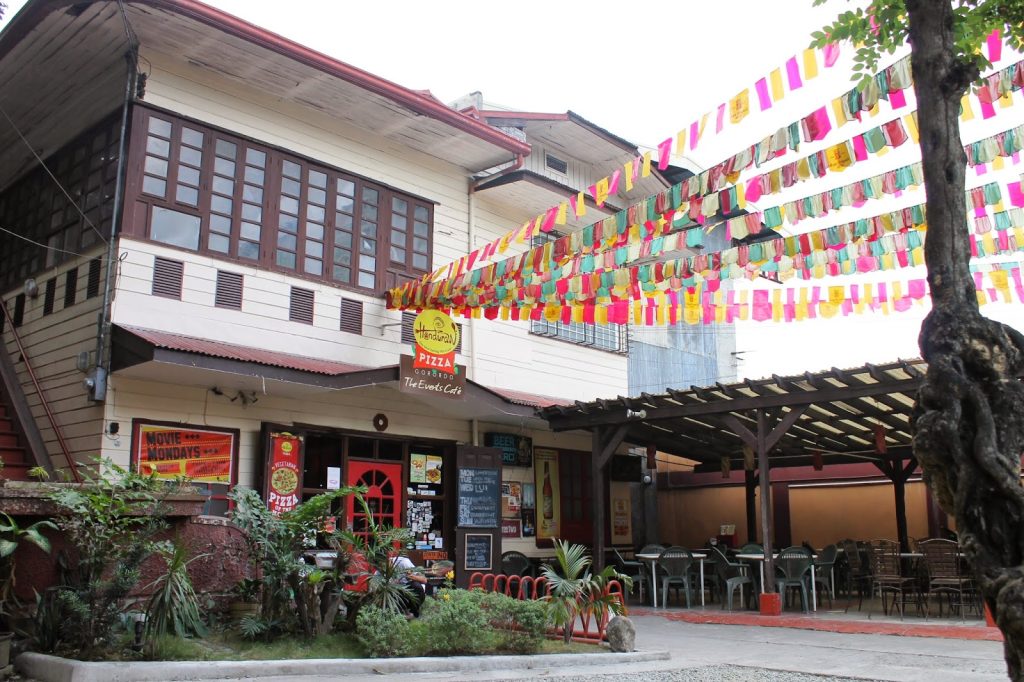
Handuraw Pizza in Gorordo Avenue (Photo: Gastronomy by Joy)
Dessert Factory, founded in 2000 by Dr. Rachel Lim, has been serving signature cakes and comfort food for over two decades at the same Ayala Center Cebu address most Cebuanos associate it with. For a generation of Cebuanos, it was the place your dad would stop at on the way home, buying you a single moist chocolate brownie for ₱20 that felt like the most special thing in the world. (Never mind that you had five siblings.) And then there’s Mother’s Fried Chicken, which has been feeding the city for roughly four decades from its no-frills dining room—the kind of place that reviewers describe as “a bit dated,” which, when you think about it, is really another way of saying it never needed to change.
The Ching Palace has been nestled in Salinas Drive in Lahug since 2003, named after the family’s grandfather as a tribute to him. It has been awarded the best Chinese restaurant in Cebu practically since it opened. It’s the place Cebuanos take their guests when they want to show off the city through food. That alone says something about what it means to earn a city’s trust and hold it for more than two decades.
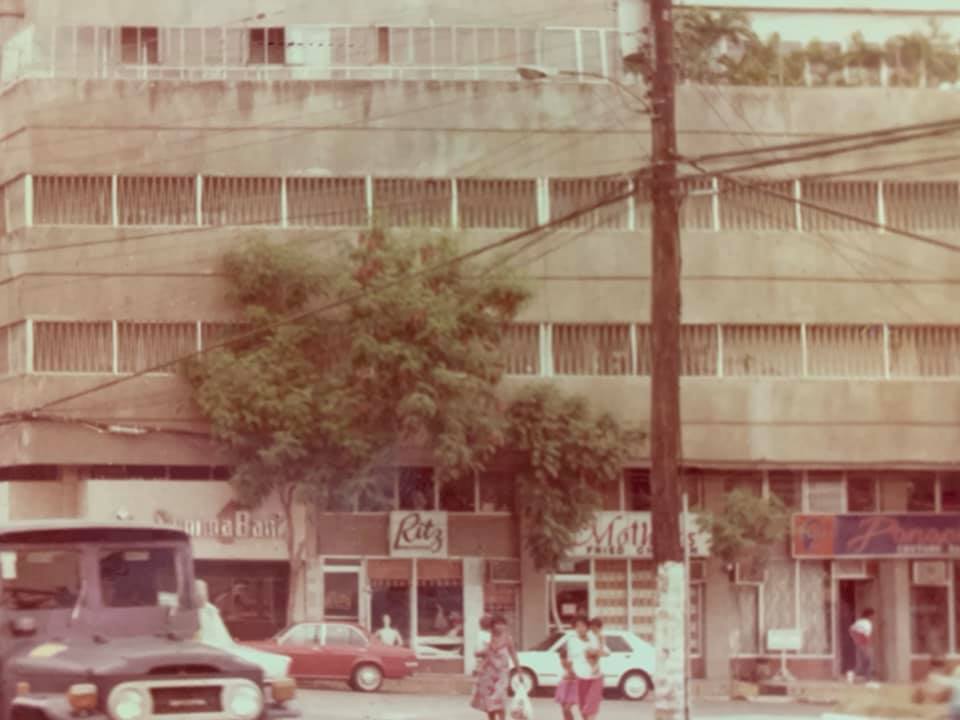
Mother’s Fried Chicken, Ritz, Suma Bank, and Panache in the early 80s (Photo: Facebook / MEMORIES OF OLD CEBU, Jon Kenneth Gotiong)
And then there is La Fortuna. Before any of the places on this list existed, before the lechon shops and the halo-halo stands and the coffee shops, there was a man named Ting Sy riding a bicycle through Cebu’s streets selling Chinese pastries. He and his wife, Vicenta, started their bakery on Borromeo Street on September 23, 1953—over seventy years ago. The first ten years were a struggle. Vicenta knocked on the doors of wealthy families to introduce their products while Ting cycled through the city to sell them. Three generations of the Sy family later, the original branch still stands. Still selling hopia, maci, and tikoy. Still the first place people think of when they need pasalubong.
Seventy-two years. No rebrand. No pivot. Just Filipino-Chinese pastries, and a city that never stopped buying them.
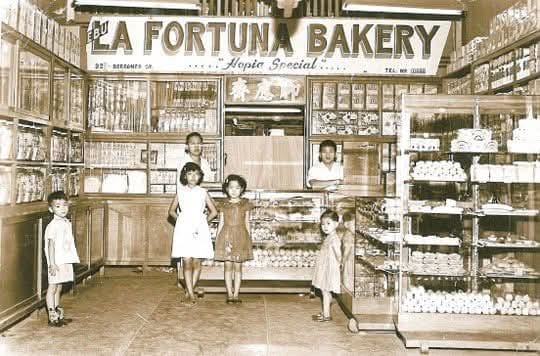
What all of these places share is not age alone. It’s a kind of stubbornness that looks, from the outside, like confidence. They didn’t pivot during the pandemic. Some lost branches. Some went quiet for a while. But none of them became something else. They came back as themselves.
That stubbornness is a form of heritage worth understanding. Not the kind preserved behind glass, but the kind that shows up on a weekday afternoon, takes a number, and orders the same thing it has always ordered.
These brands didn’t survive because they had the biggest marketing budgets or the most visible presence. If anything, they survived on word of mouth and Blogspot food reviews written with way too many exclamation points. Most of them survived because Cebuanos kept choosing them, year after year, without being asked to. That’s not loyalty born from advertising. That’s loyalty born from something being genuinely good, genuinely consistent, and genuinely ours.
Cebu is changing fast. New restaurants open constantly, concepts cycle through, and the food landscape looks nothing like it did ten years ago. But underneath all of that, these places are still running. Still feeding the city. Still here.
And maybe that’s the most Cebuano thing about them.