


New forms can be materialized from old fragments. For student designers at the University of the Philippines Cebu, rebuilding through design does not only involve repairing what’s broken. It’s also finding new perspectives, challenging old routines, and discovering better ways to live, create, and connect with their communities.
These principles shaped the structure of DES/INYO 2026, the annual UP Cebu Design Week, held at the North Wing Atrium of SM City Cebu from June 5 to 7. The event’s theme, “RE•PORMA: Design as Rebuilding,” coincided with the 20th anniversary of the UP Cebu Design Program and the 10th year of its Fabrication Laboratory (FabLab).
Over three days, students, faculty members, industry professionals, and the public gathered to view exhibitions from all student year levels. The event also featured the PROPEL Student Design Pitches, the experimental fashion show “Beneath the Fabric,” and awards for outstanding student work from the Student Design Excellence Awards and the Mundo Design Awards.
“The word REPORMA carries meanings of reform, renewal, and reconstruction. It reminds us that design is not merely about aesthetics or innovation. It is about responding to change, addressing challenges, and imagining better possibilities for our communities and our future,” Assistant Professor Jay Nathan Jore, the UP Cebu Design Program Coordinator, explained during the opening ceremony.
REPORMA was shown through five ways of rebuilding. Patong, which means to stack, starts with layers of history, knowledge, and experience. Tukod, or “to build,” is about making structures for new opportunities. Sursi, meaning “to patch,” treats repair as a means of adaptation. Sumpay, to connect, focuses on linking people, systems, and ideas. Ayo, to fix, highlights that rebuilding needs constant care and improvement.
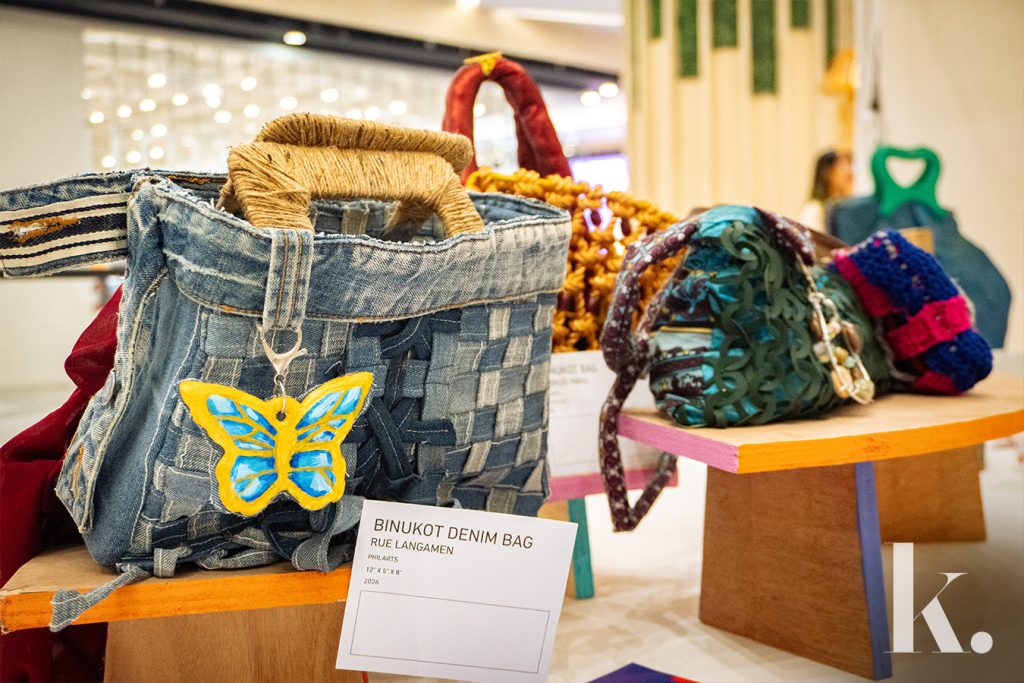
“We are bringing student works outside the university to emphasize that UP education is all about public service,” Jore stated.
The exhibition featured projects about identity, community, technology, city life, and daily routines. Each one used design to develop creative solutions.
Four Levels, Four Ways of Seeing Design
Visiting the exhibition on June 5 showed how student designers have developed, progressing from basic skills to more advanced projects.
Year 1: Foundations in Art and Design
First-year students’ projects showed their first steps in visual communication, creative problem-solving, and product presentation. Their work showed curiosity and a readiness to try new things. This section included studies of heritage buildings, cultural landmarks, and patterns. Students used drawings, watercolors, and pattern studies to reimagine local architecture and turn familiar places into creative designs, mixing tradition with modern ideas.
Year 2: Designing the Self and Individual Objects
Second-year students worked on understanding themselves as designers. They found inspiration, developed ideas, and learned how to make real objects. The exhibition included prototypes such as organizational tools, household accessories, and new storage ideas. Using concept boards, technical drawings, and branding materials, these projects showed how students turned everyday problems into practical solutions.
Year 3: Designing Interactivity — Products Within Social Spaces
Third-year students looked at the spaces and systems that shape daily life. The exhibit included projects in UX/UI (User Interface & User Experience), furniture, textiles, materials, and social design. Each project showed that design is a team effort and that it connects to community, technology, and human interaction. Students experimented with materials, visual studies, and new product ideas, all focused on rebuilding through design. One featured project, Material Compatibility: Terracotta and Shell Inlay, displayed handmade terracotta vessels and decorative objects with shell inlays and natural textures. This project explored how different natural materials can work together, combining clay and shell to create ceramics that are both useful and decorative.
Year 4: Design, Society, and Industry
For graduating students, design became a way to solve real-world problems. Their projects focused on city life, accessibility, efficiency, and well-being, demonstrating how design can benefit people beyond the classroom.
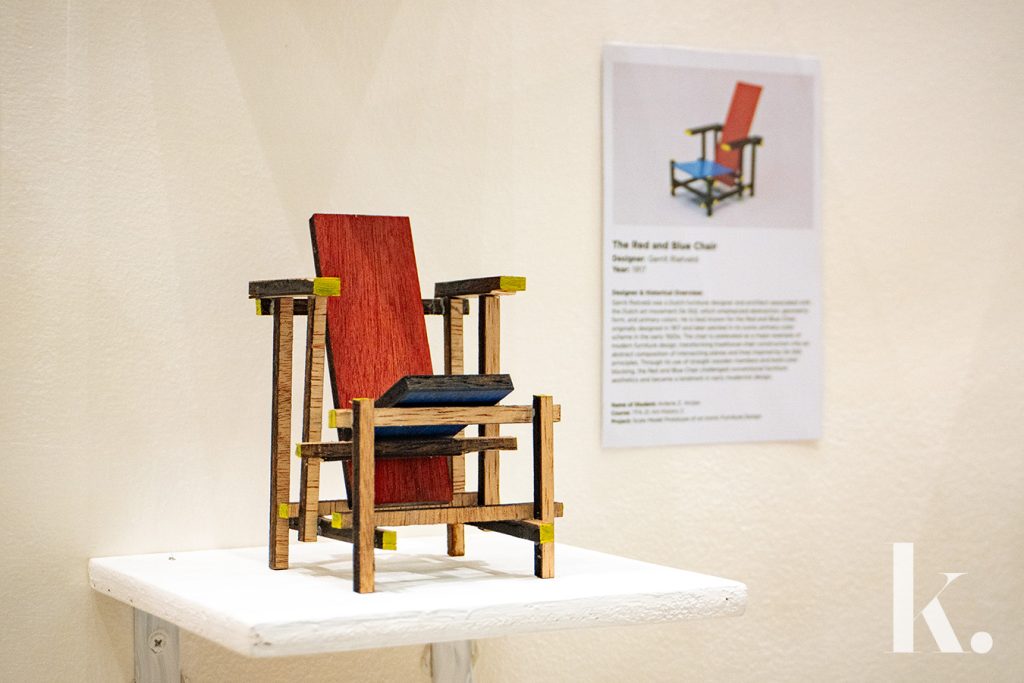
Next to the main exhibition was “Tagbo: Where Design Meets Urban Futures,” which was first launched at The Kabilin Center on June 1. This product-design showcase featured work by 20 graduating Product Design majors. The exhibit presented solutions inspired by real experiences and current community needs.
The exhibition organized projects into three studios: Studio Identity, Studio Well-being, and Studio Sustainability.
With identity as its theme, this studio explored design based on heritage, culture, and inclusion. The projects asked who is served and whose stories are told through design. Under the guidance of Assistant Professor Jay Nathan Jore, students developed proposals in apparel, product, service, and mobility design.
In apparel design, Keilah Asilom presented CASA MUSA, a contemporary prêt-à-porter collection inspired by the architectural and cultural memory of Cebu’s Vision Theatre. Meanwhile, Johnsenn Rosatase developed SARABI, a contemporary sarok headwear collection that translates Cebuano craft traditions into wearable fashion expressions.
For product design, Yuan Quimno created MANTAWI, a dinnerware collection that reinterprets the traditional sartin plate through the culture and manufacturing heritage of Mandaue City.
Several projects addressed community services and public spaces. Gabriel Pansoy’s PAJACANO reimagines the automatic tubig machine as a multifunctional community service micro-infrastructure for Barangay Pajac in Lapu-Lapu City. Jhamia Khiz Meca developed BAYBÁO, an outdoor furniture system designed to enhance social interaction and strengthen the place identity of the Compostela Boardwalk. Likewise, Jessin Kionisala’s HAYAG proposes a modular mobile community library that transforms informal urban spaces in Sawang Calero, Cebu City, into child-centered learning environments.
Within mobility design, Jan Paolo Cormanes introduced TAGDALAN, a culture-based wayfinding system that integrates the visual identity of traditional jeepneys into Cebu’s modern public transportation network. Ethaniel Dawn C. Daro presented DALÁ, a mobile food cart system rooted in Subanon-Pasilnon foodways, designed to empower ambulant vendors and foster social cohesion in urban spaces.
Studio Well-being, with Assistant Professor Lionel Sanchez taking charge, focused on physical and mental health, exploring how design can support healthier and more inclusive living.
In apparel design, Janssen Gabuya developed AYAHAY, an ergonomic body-wear personal protective equipment system tailored to the needs of garbage collectors in Cebu City.
Several projects looked at spatial and educational solutions. Zoe Saclo proposed digitally made modular shelters to support community dog populations in Cebu City. Zen Lapiña’s INFINIBOOTH is a modular booth for anime, comics, and games (ACG) merchandise, designed for easy use and flexibility. Aiko Fujima created KAHIMSOG, a project that introduces accessible outdoor exercise equipment to help senior citizens stay physically independent.
Addressing learning and inclusion, Marie Jemweillyn Entienza developed a game-based traffic literacy system that teaches young road users through interactive learning. Reem Abdul’s AMUMA is a multisensory learning system that supports inclusive literacy and numeracy education for children with special educational needs.
Studio Sustainability, under Assistant Professor AJ Mallari, encouraged students to rethink materials, systems, and lifecycles in response to today’s urban consumption patterns.
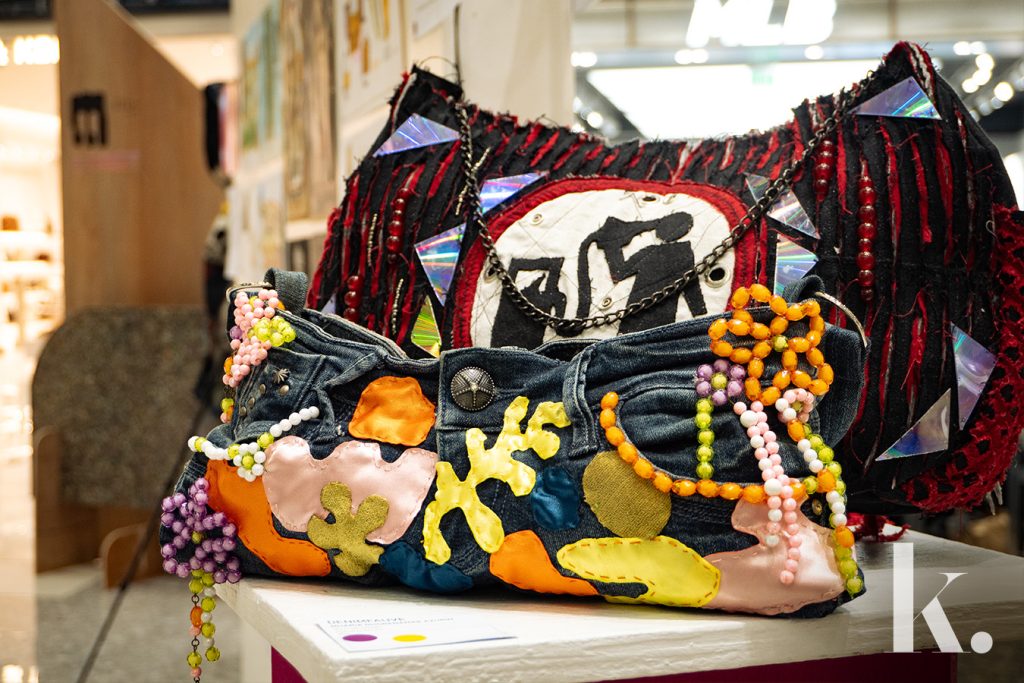
Several projects explored alternative materials and circular production systems. Faye Yolanda Salvacion presented HÚLMA, which incorporates animal bone food waste into traditional terracotta practices. Wenzyle Sayon’s LUMIKAD repurposes aninikad shell waste into lampshade designs, creating livelihood opportunities for shell crafters in Olango Island, Lapu-Lapu City.
In service design, Ardinian Jaq Sanque developed AYO, a repairable shoe system embedding Junquera’s repair knowledge into Cebu’s circular footwear economy. Precious Angeli Suarez introduced BUHAT, a collaborative hybrid-making platform that connects users, fabrication hubs, and artisans.
Mobility and education projects added to the conversation about sustainability. Elisha Durero’s HUL (Hybrid Upholstery Lifecycle) reimagines public transport seating with a modular, sustainable upholstery system. Nadela Kenny Gem presented BLUME, a bamboo furniture project for daycare classrooms, co-developed with local makers in Casili, Cebu. This project highlights the value of local materials and community-based production.
PROPEL Student Design Pitches
A main highlight was the PROPEL Student Design Pitches, which featured projects from two year levels.
Second-year students in Ergonomics presented design ideas focused on usability, accessibility, and real-life experience, turning research into practical solutions. Third-year Social Design students shared projects that address community needs and systems, showing how design can help solve social problems.
Beneath the Fabric: Stories Woven Into Fashion
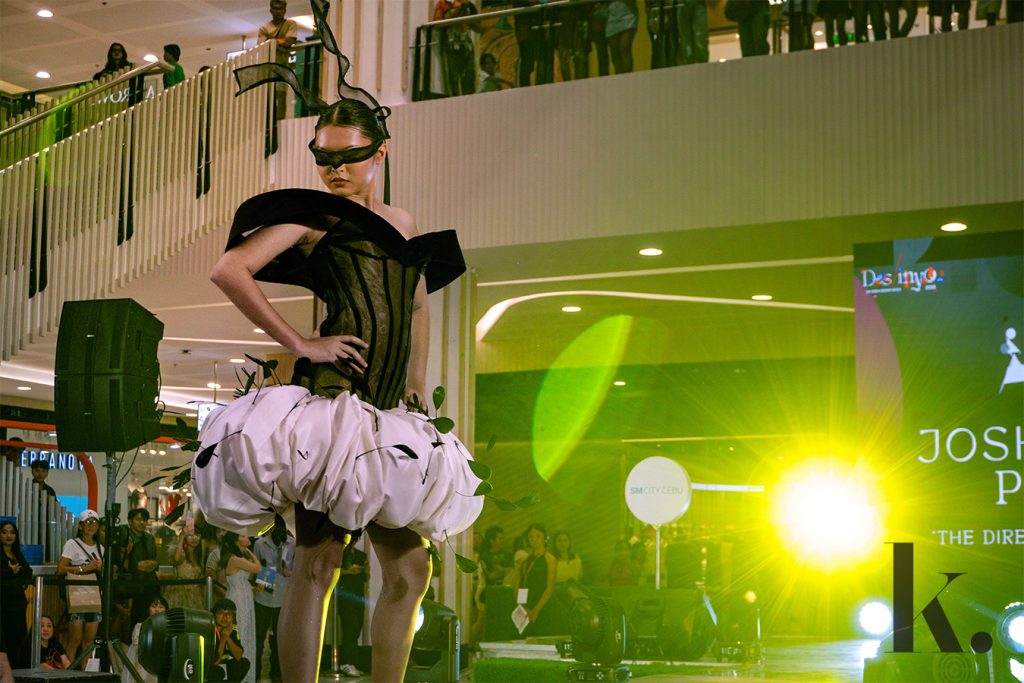
Anticipation ran high for Beneath the Fabric, a fashion show that brought together the creative voices of 27 third-year Product Design students on June 6.
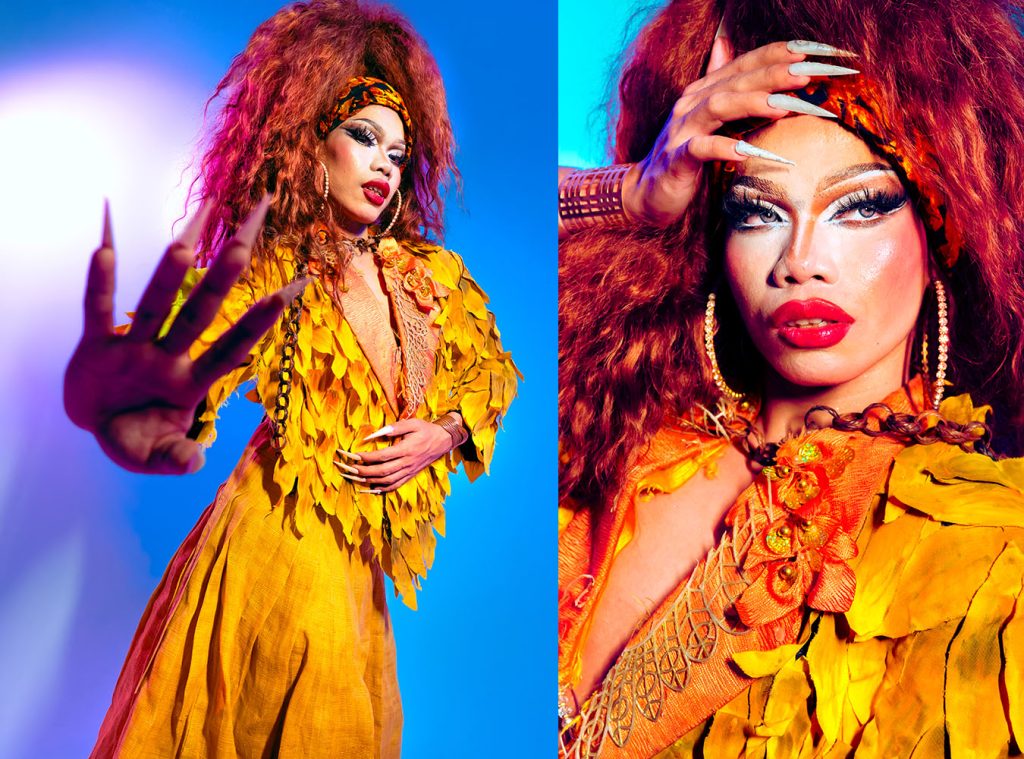
The fashion show began with a drag performance by Sheng Mai, and one of the highlights was “ITOMPU TIRETASO” by second-year design student Lee Paras. The piece reimagines beauty by showing overlock stitches that are usually hidden beneath garments and was made from upcycled black-and-white fabrics, including Gena, Jusi, Crepe, Jacquard, Satin, Katsa, printed textiles, and Organza. Paras shared in a post that making the garment during the busy rehearsal period made the experience both challenging and exciting.
The collections explored many themes and stories, including memory, transformation, fantasy, grief, nostalgia, and personal reflection. Titles like Futuristic Nostalgia, The Direction of the Wind, Eye of the Chrysalis, The Manifesto, The Sixth Stage, Lupad, Summer Night’s Dream, Neither Shore Nor Shell, Noir Siren, Sampaguita, Ritual of Ruin, Pearlesque, and If Grief Wore Lines showed the wide range of inspirations behind the students’ creative work.
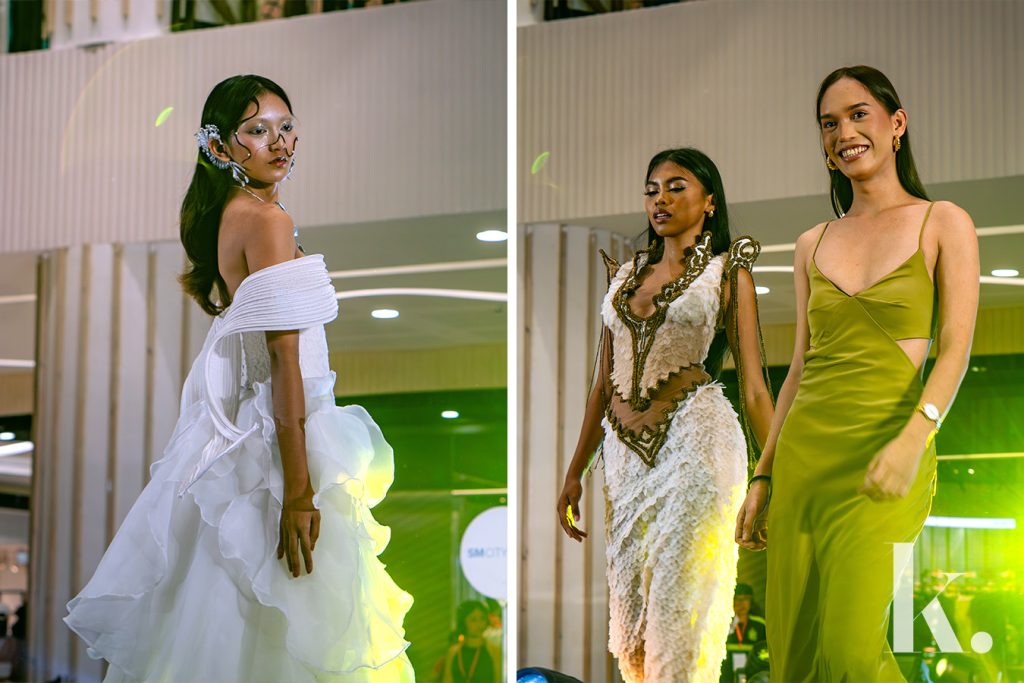
The collection featured works by Ian Gilbolingo, Agnez Zoe Amistad (Totality), Alexandra Lambojo (Beau Qia), Azalea Mongaya (Yours Truly, Diane), Harold Aloyan (Futuristic Nostalgia), Josh Wayne Pepito (The Direction of the Wind), Trinah Keizha Martinez (Eye of the Chrysalis), Angel Brie Geraldez (The Manifesto), Archer Tubilla (A Muse in Folds), Bianne Ynzo Labra (Chasing Ether), Chelsea Castrodes (Carte Blanche), Diana Radyn Sumalinog (The Sixth Stage), Faye Alvinez (Lupad), Johanna Revalde (Summer Night’s Dream), Josh Momo (Senior Electico), Kenai Maneja (Melancholy), Marielle Gilig (Whispers in Tulle), Mhelbert Brazil (Garden of Eden), Micah Elcamel (Chains of Elegance), Mikaella Engel (Impeccably Diane), Ninya Perez (L’Oceanique), Prynz Serentas (Neither Shore Nor Shell), Rickee Martin Sucayre (Noir Siren), Samantha Enopia (If Grief Wore Lines), Thom Ilustrisimo (Sumpa Kita, Sampaguita), Xylonna Antolo (Ritual of Ruin), and Yurim Murret (Pearlesque).
From sketches to finished garments, the students’ works explored themes like memory, transformation, fantasy, grief, nostalgia, and personal reflection. By using different textiles, new techniques, and thoughtful design choices, they showed how fashion can express ideas and emotions as the designers’ models walked the runway.
As the UP Cebu Design Program celebrates its 20th year, RE•PORMA is both a reflection and a call to action. The main idea of rebuilding is something we do together. It reminds us that we do not just wait for the future; we help create it. This year’s showcase proves that the next generation of designers is already working hard to rebuild the future.