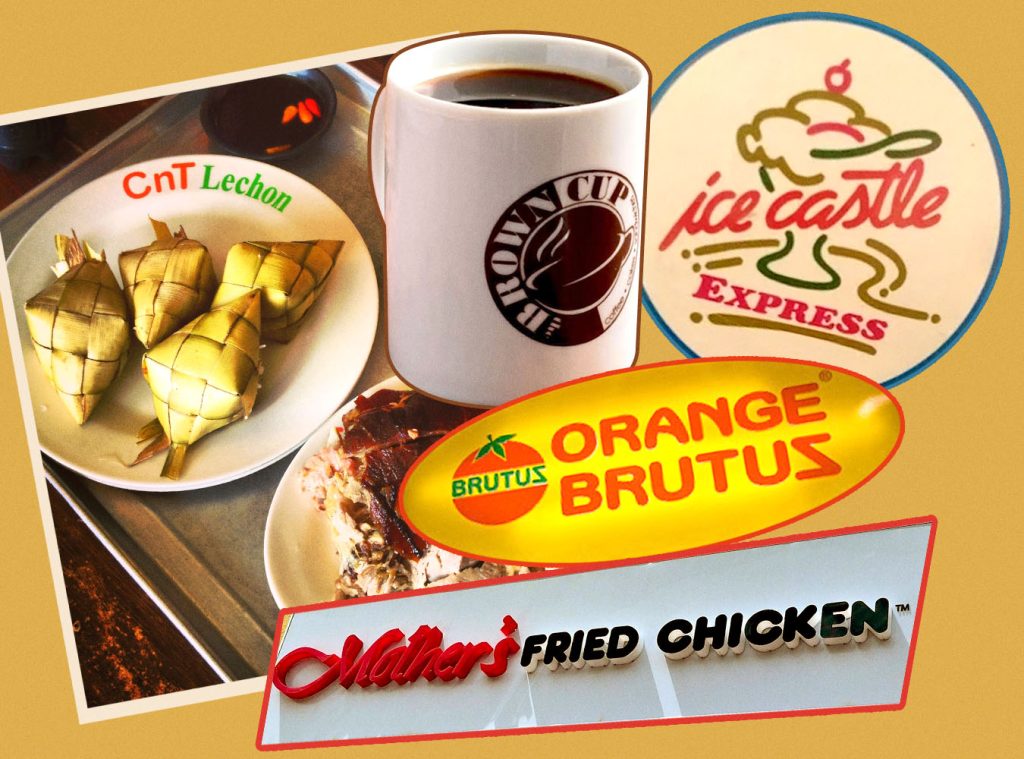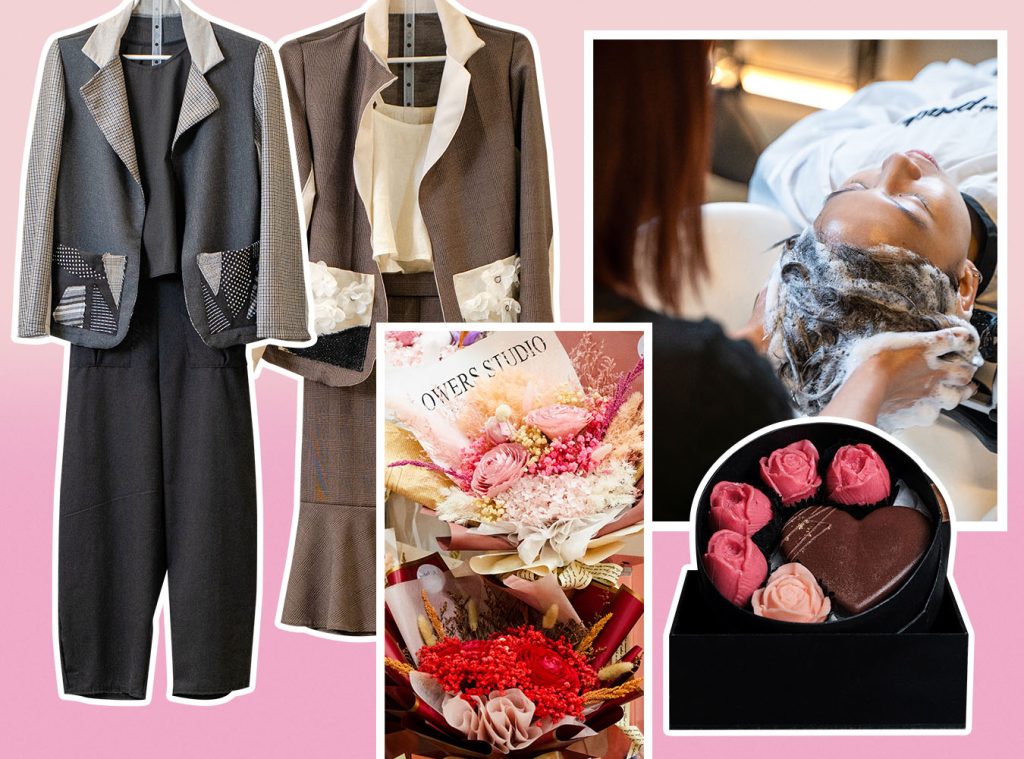


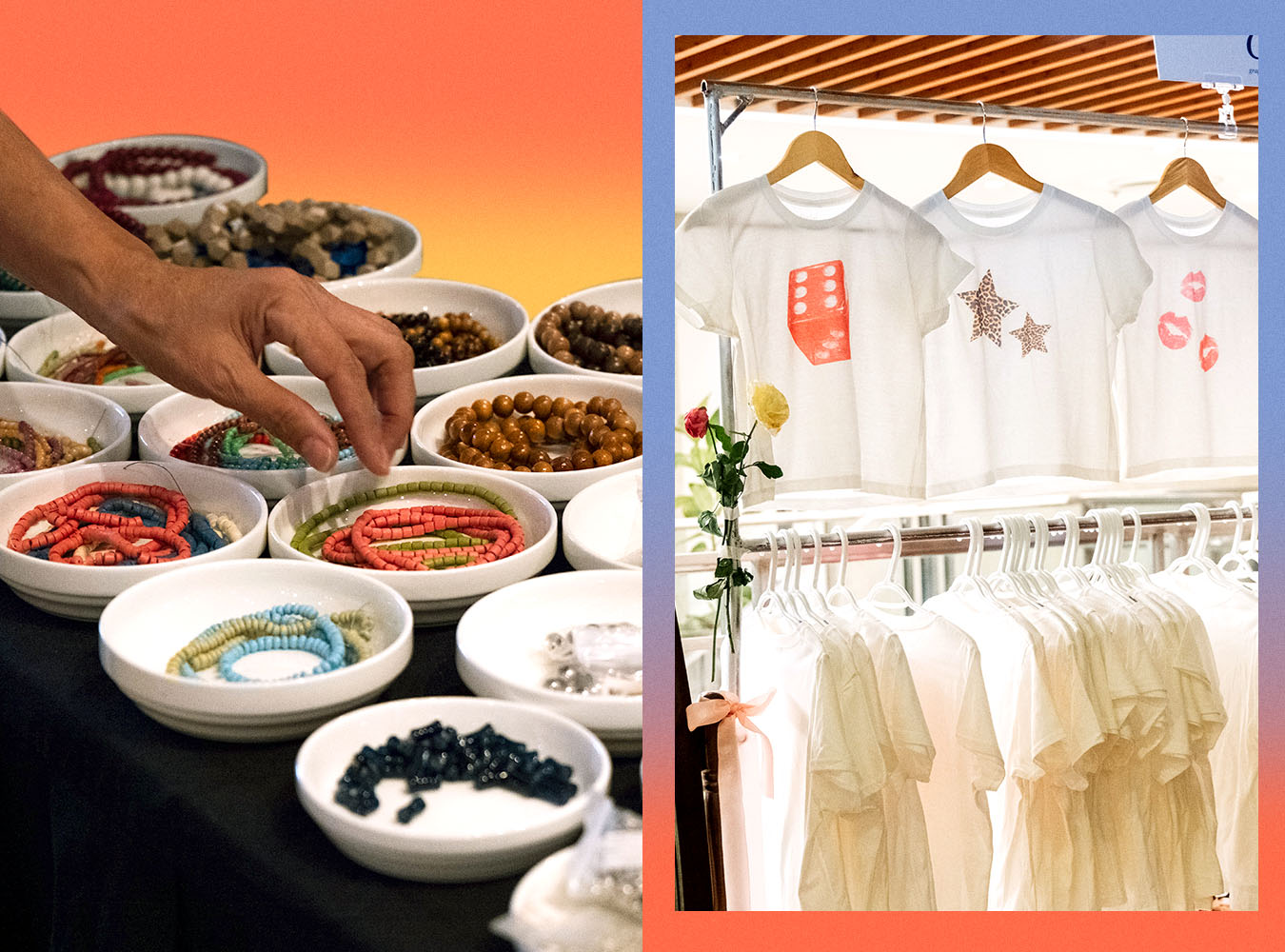
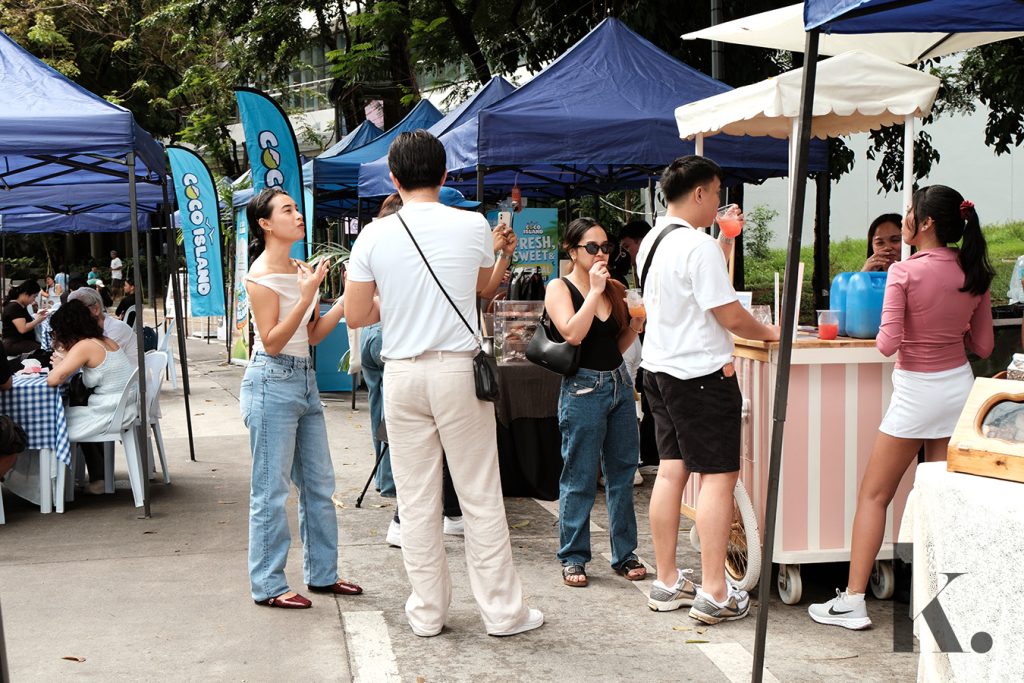
If you’ve spent a weekend in Cebu lately, you’ve probably walked through one. A pop-up market, tucked into an open space at Ayala or Central Bloc or somewhere along IT Park, with local brands, coffee carts, thrift racks, and art booths drawing in a crowd that doesn’t seem to be in any hurry to leave.
These events are no longer simple bazaars. They became spaces where young Cebuanos express identity, support local products, and reconnect with the community.
Many of the brands you find at these markets started online. Instagram pages that became stores, built slowly through followers and direct messages before they ever had a physical space to occupy. Now people spend hours moving between booths, trying local desserts, buying handmade items, listening to DJs, and meeting the people behind the brands.
Read: The Market That Only Pops Up on Sundays and Always Draws a Crowd
The experience feels personal. People ask about ingredients, materials, and the stories behind products. Sellers openly talk about how they started, often tying their work closely to Cebuano culture and everyday life.
This growing interest in local products reflects a shift in how younger Cebuanos shop. They now actively support Cebu-made brands instead of looking only toward large commercial chains or trends from Manila and abroad.
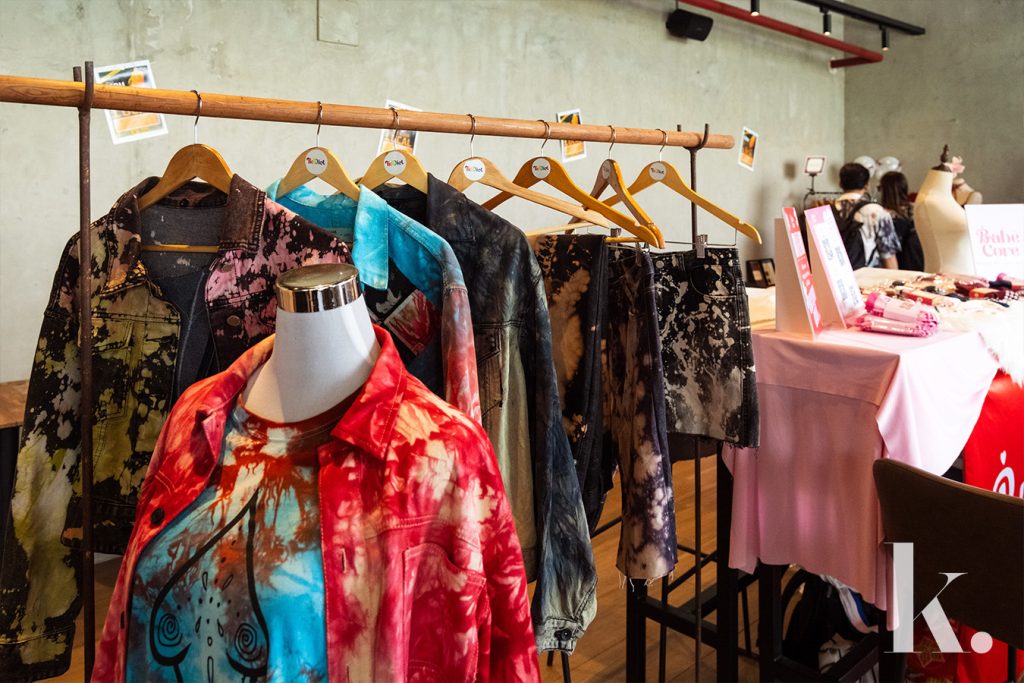
Read: It’s Grassroots, Great Finds, Good Vibes Only with Papi and Friends
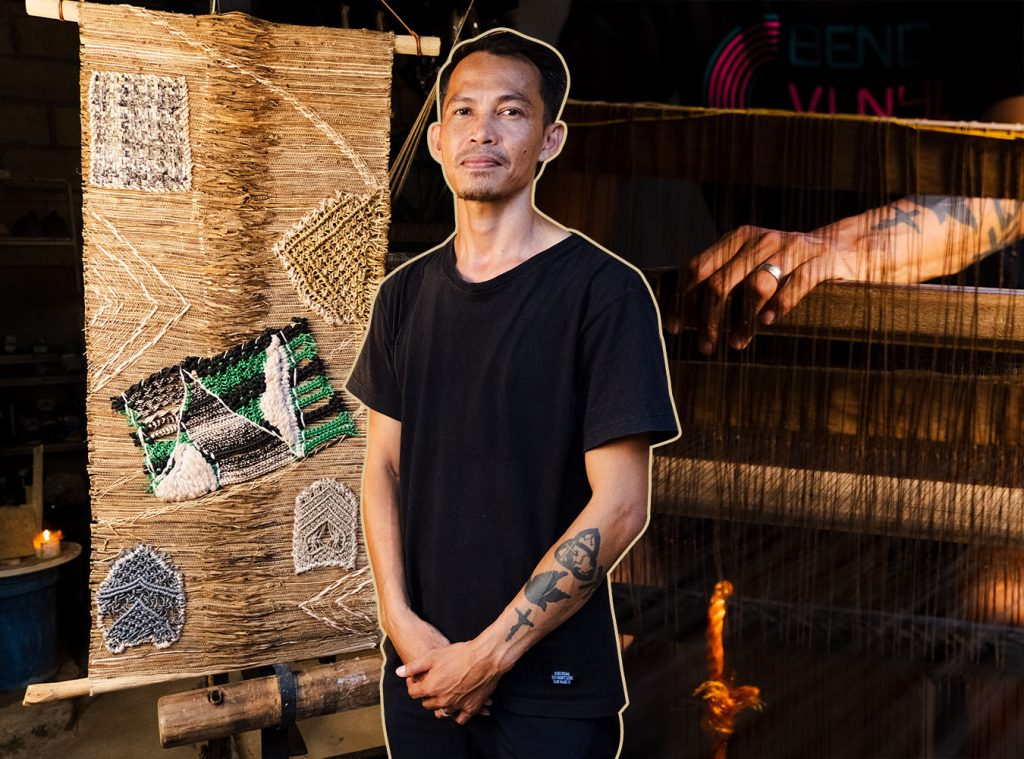
Heritage also appears in subtle ways across these markets. Some brands incorporate woven materials, local ingredients, Bisaya humor, and regional references into their products. Others focus on handmade production and small-batch work, values closely tied to older forms of Filipino craftsmanship.
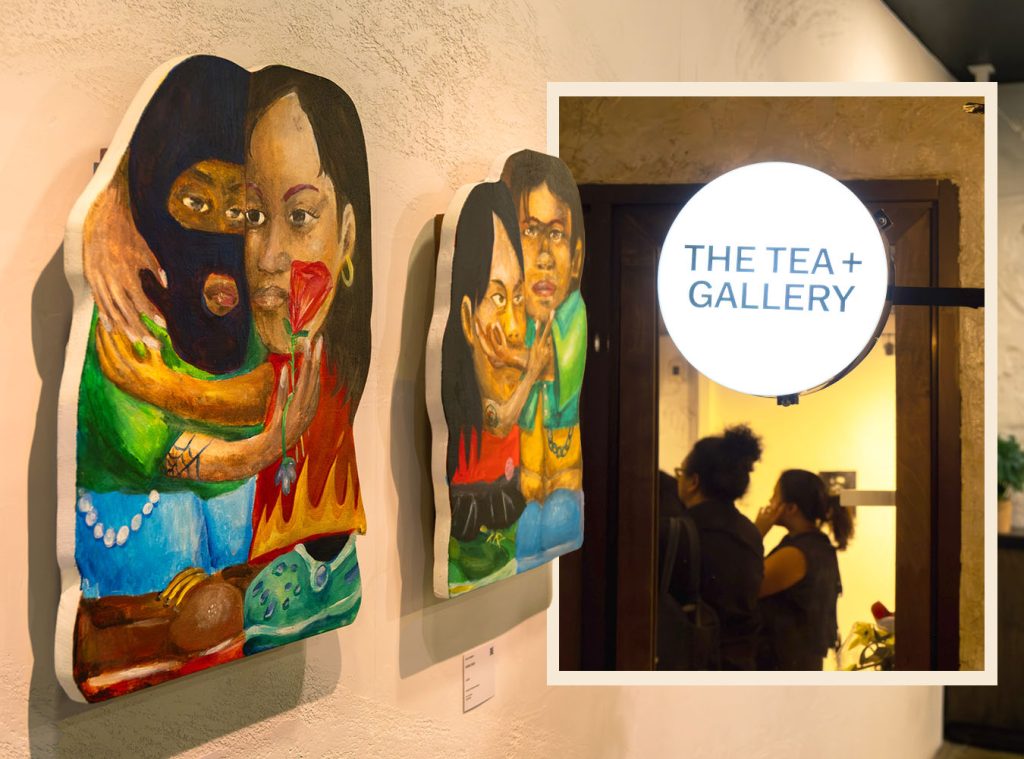
The markets also function as modern communal spaces. Artists, bakers, musicians, photographers, and clothing brands occupy the same environment and build connections naturally. The setup encourages collaboration while giving smaller businesses visibility without the cost of permanent storefronts.
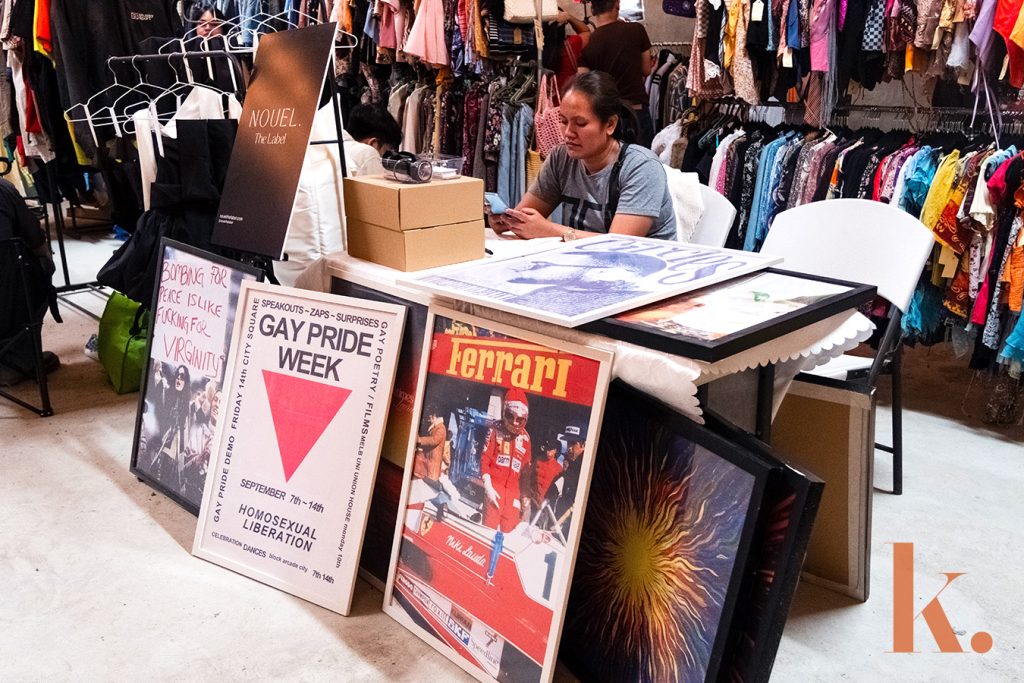
Read: Teenagers are Running the World—the Flea Market World, At Least
For many people who show up, the attraction goes beyond shopping. The markets offer a slower and more social environment compared to malls. Friends come to discover new brands, wander without a checklist, and feel connected to Cebu’s growing creative scene.
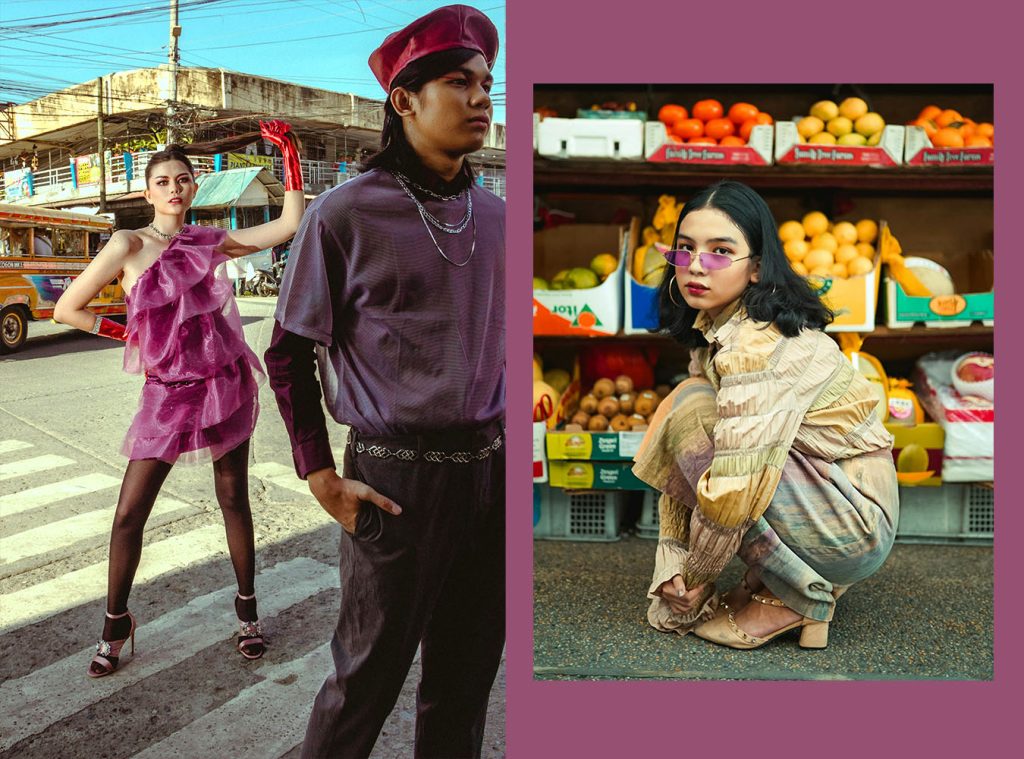
The temporary nature of pop-up events also shapes their appeal. Each market feels different because each one reflects the people and local businesses participating in it. Some focus on vintage culture and streetwear. Others center on food, handmade products, and local art.
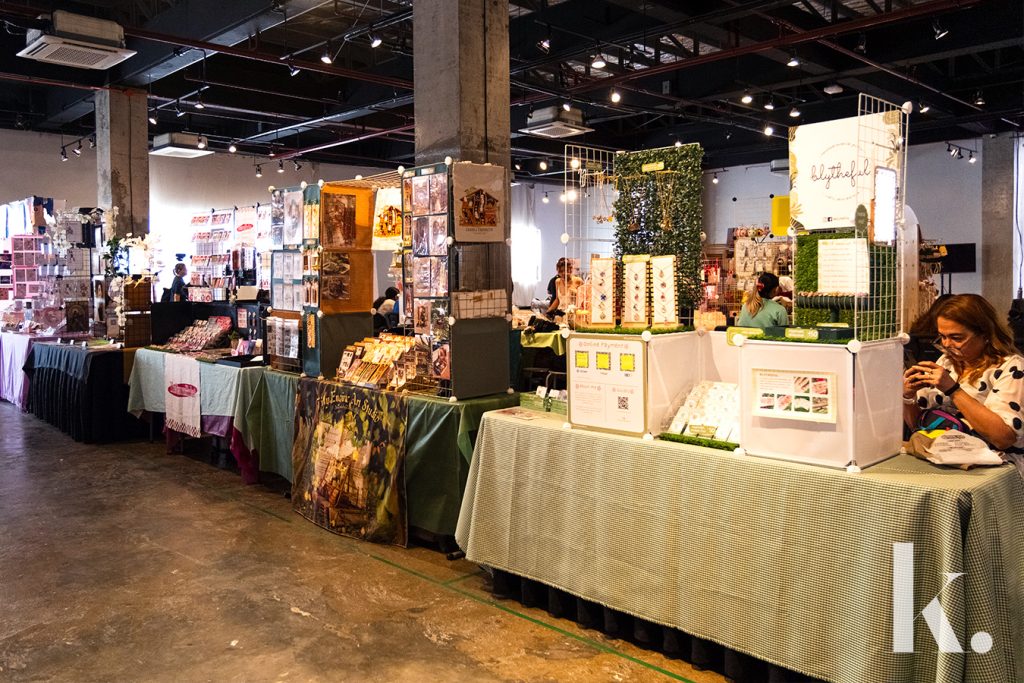
Read: Sleighing It! Unwrappd Cebu Has Your Holiday Shopping Sorted
As Cebu continues changing through urban growth and digital culture, these markets show how local identity continues adapting alongside younger communities. Beneath the coffee booths and crowded walkways, Cebu’s pop-up market culture reflects something familiar, the Cebuano instinct to gather, share stories, support local work, and build community together.