

People often try to place others into categories. A student belongs in the classroom. An athlete belongs on the competition floor. A drag performer belongs on stage.
For Sheng Mai, those boundaries never made much sense.
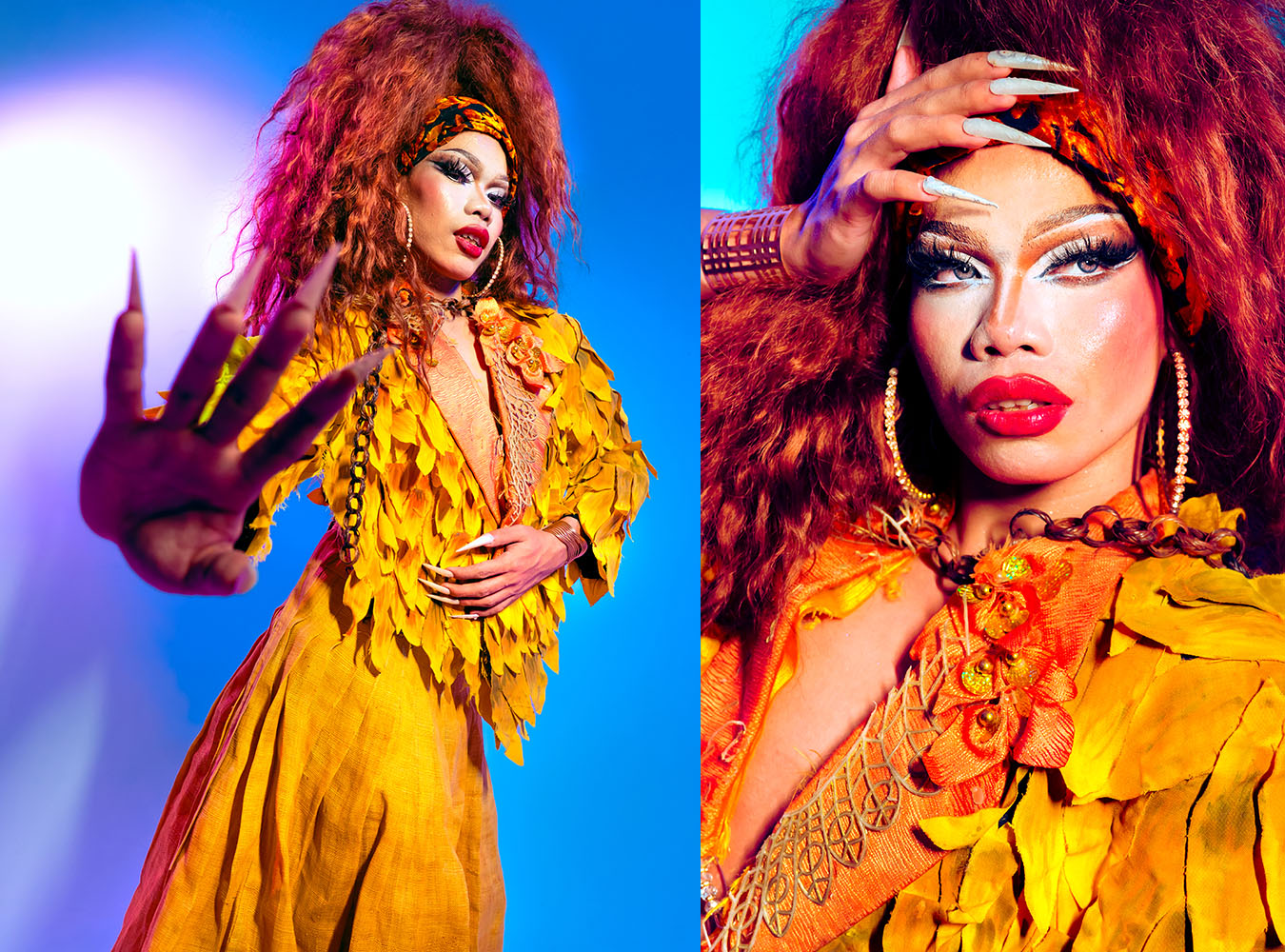
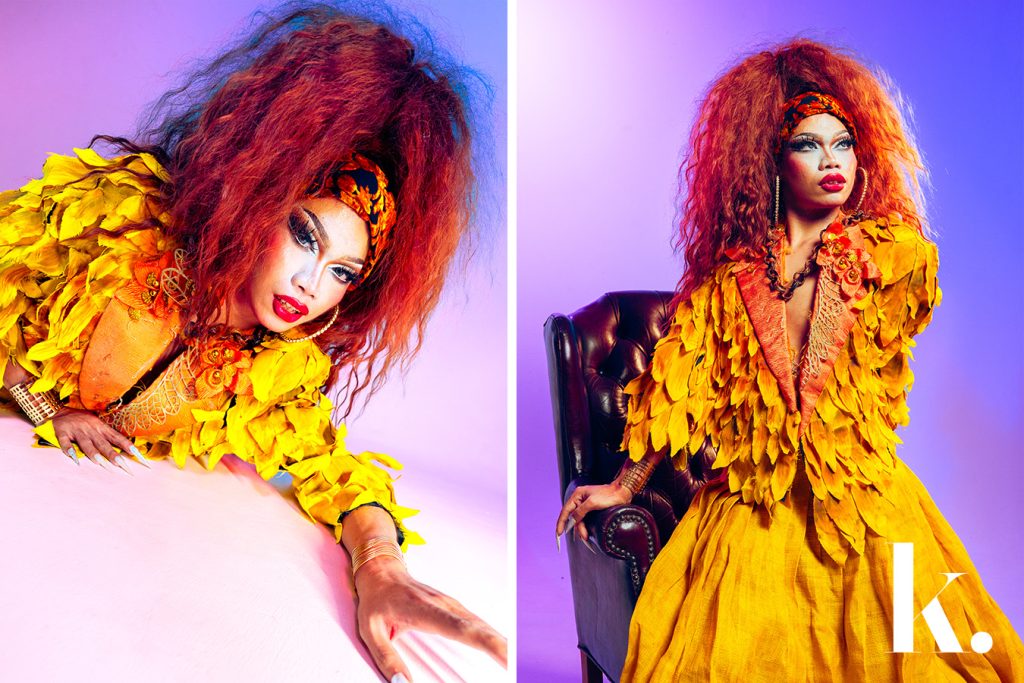
A political science student, dancesport athlete, drag performer, and advocate, Sheng Mai built her identity across spaces that many people assume do not belong together. She is among the few drag performers to compete in the women’s category in local dancesport, a space rarely associated with someone who also performs in drag. Over time, she learned that the challenge was never balancing these roles. The challenge was learning how to exist fully in each of them without leaving parts of herself behind.
“There were people who thought I had to choose between being a political science student, a dancesport athlete, or a drag performer,” she said. “I continued competing, studying, organizing, and performing. Eventually, I realized I did not need to prove anything because my life was already the proof.”
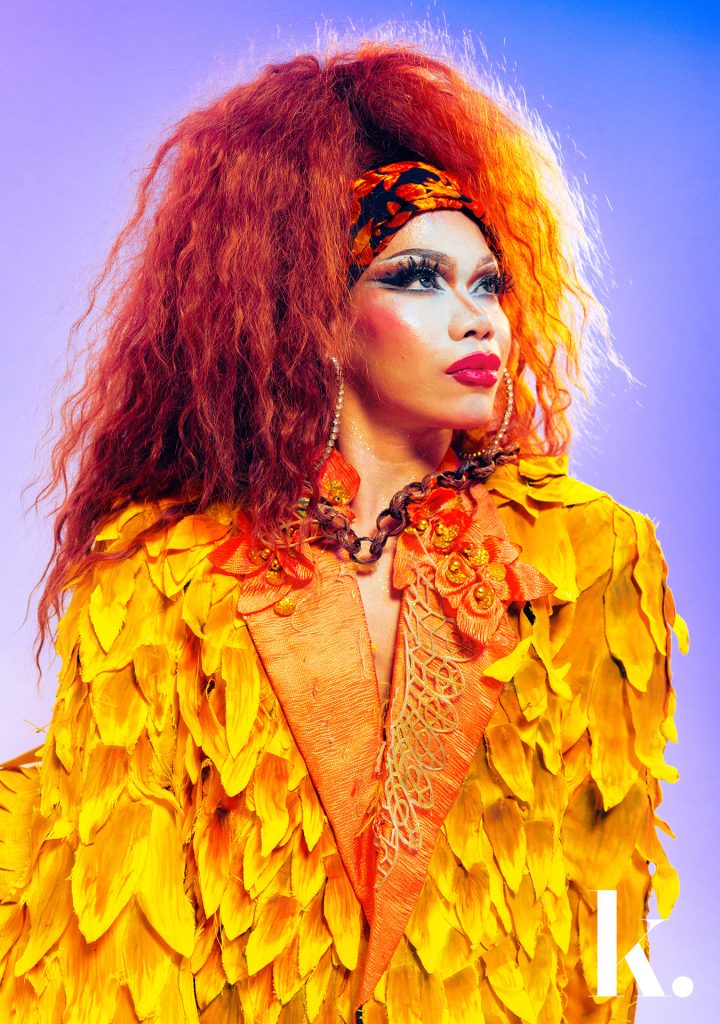
That belief followed her onto the dancesport floor.
For years, LGBTQIA+ athletes often found themselves excluded from traditional ideas of partnership in competitive dance. Same-sex and third-gender pairings were frequently treated as exceptions rather than legitimate spaces within the sport.
Sheng Mai witnessed those limitations firsthand.
Her breakthrough came when she and her partner won gold in the first-ever same-sex dancesport category at the NSCUAA. For her, the achievement represented more than a medal.
“As someone who competed in dancesport, I believe representation is never just about visibility,” she said. “Winning the first-ever gold medal in the NSCUAA same-sex category felt historic because what began as a demonstration sport became proof that LGBTQIA+ athletes deserve not just participation, but recognition.”
The victory carried significance beyond competition results. It challenged long-standing assumptions about who belongs in sports and who gets represented on the dance floor.
“That medal was more than a personal achievement,” she said. “It was a statement that talent should never be limited by traditional ideas of who gets to dance with whom.”
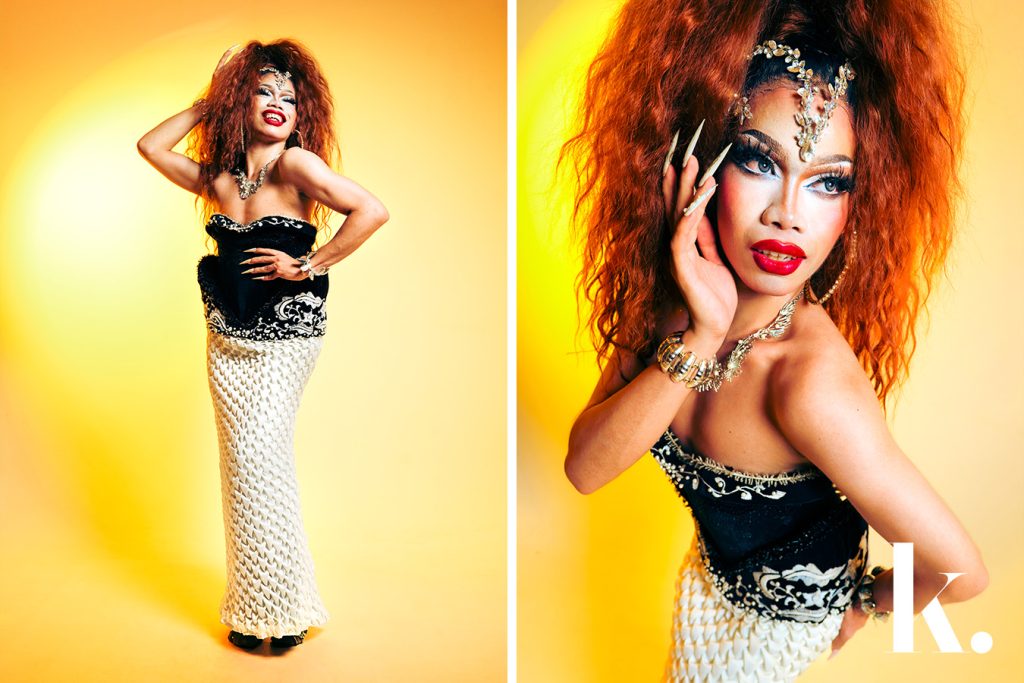
But dancesport was only one part of how she came to understand herself. Among all her roles, drag pushed her the furthest. In school, success is often measured through grades and achievements. In sports, performance and discipline take center stage. Drag demanded something else entirely, something more personal.
“Drag asks you to stand in front of people and be seen exactly as you are,” she said. “The hardest challenge was learning how to be comfortable with being seen.”
That lesson, paired with her experience on the dancesport floor, shaped the way she understands Pride today.
When she was younger, Pride felt like a celebration of identity and belonging. As she grew older, she began seeing a larger picture. Pride became connected to history, community, and the people who fought for rights that many enjoy today.
“Pride reminds us of the people who fought for the rights we have today and the challenges that still exist,” she said. “It is a celebration of how far we have come and a reminder that there is still work to do.”
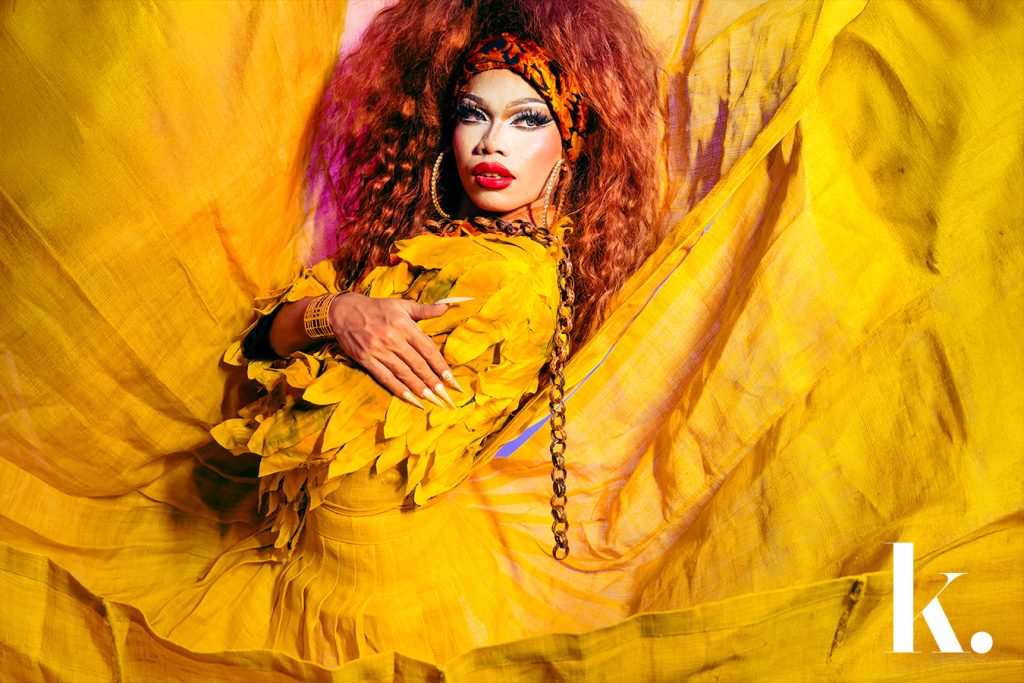
For Sheng Mai, visibility remains part of that work.
As a political science student, she understands how representation shapes public life. She believes LGBTQIA+ people deserve to be present in schools, workplaces, leadership positions, and public spaces. Visibility, she explained, goes beyond simply being present. It means being recognized, heard, and included.
That perspective shapes the way she approaches drag.
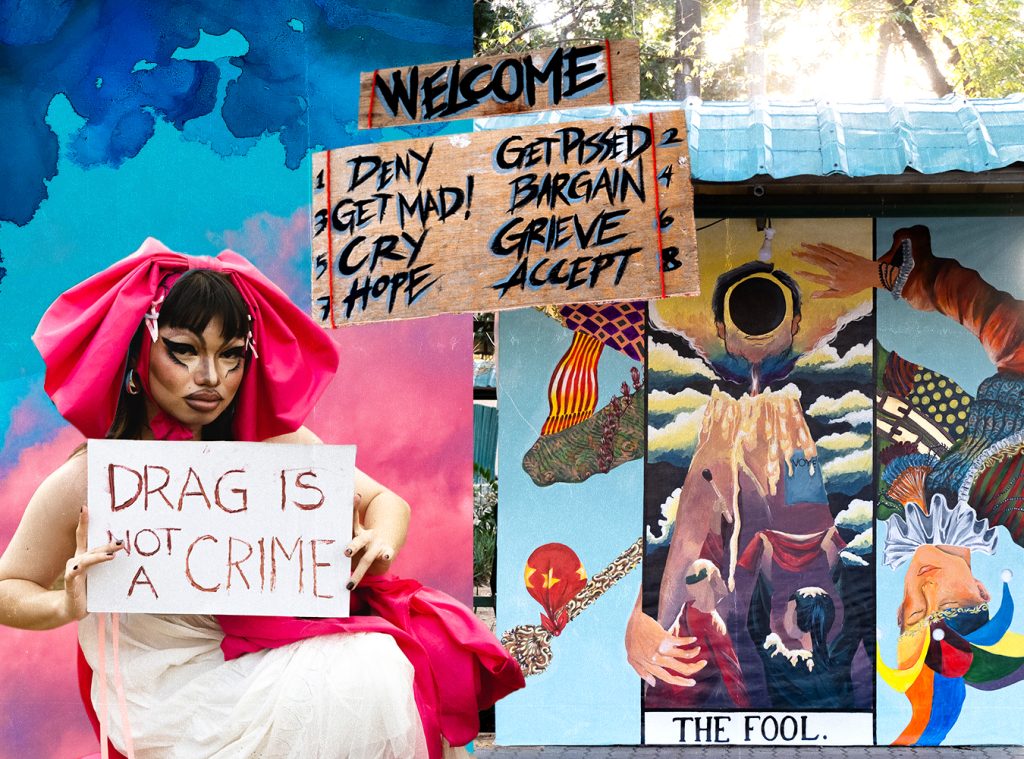
Many people see drag through makeup, costumes, and performance. Sheng Mai sees something deeper. She describes it as an art form that combines storytelling, fashion, music, performance, and social commentary. Her performances at the UP Cebu Day of Indignation and the September 21 Bahaon sa Colon rally showed her how performance and advocacy often intersect.
“Many people see the makeup first, but they often miss the message behind it,” she said.
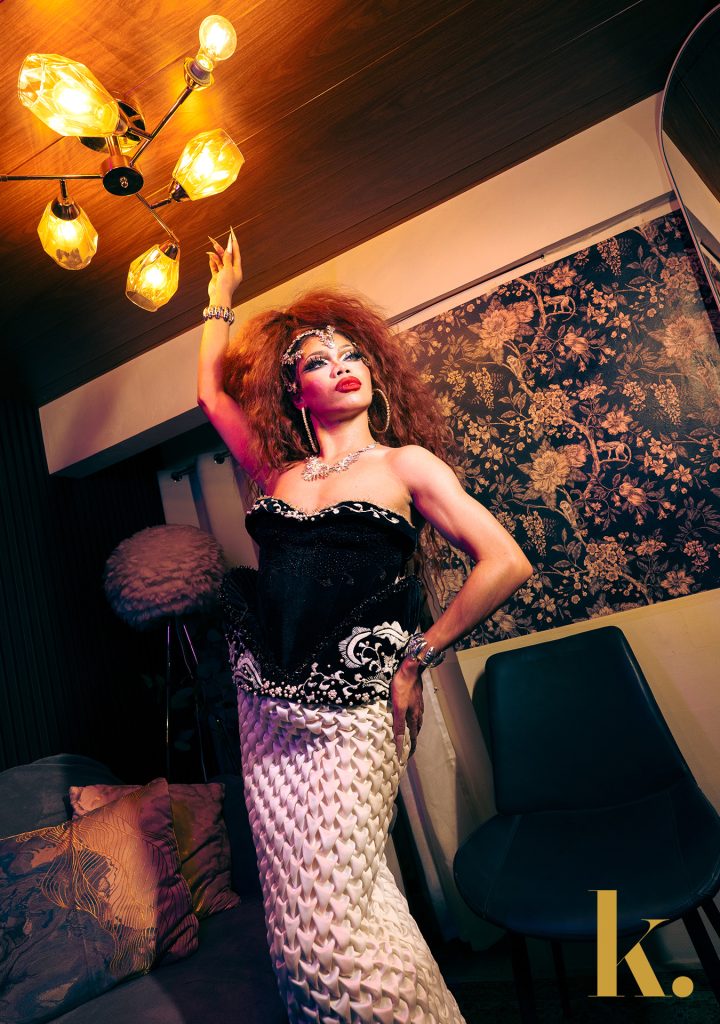
The most meaningful moments, though, often happen after the performance ends.
“The most rewarding part is hearing people tell me that they felt seen because of a performance,” she said. “Knowing that someone found confidence, hope, or comfort because they saw themselves reflected in my work is incredibly meaningful.”
Those encounters remind her that representation carries real impact. A performance lasts a few minutes. The confidence it gives someone can last far longer.
Today, Sheng Mai hopes people remember more than the costumes, trophies, or titles. She hopes they remember the possibilities created when people refuse to shrink themselves to fit expectations.
“Every time queer athletes step onto the floor, we are not only competing for titles,” she said. “We are quietly expanding the boundaries of who is allowed to belong.”
For the young queer kid from Siargao she once was, her message remains simple: stop making yourself smaller to make other people comfortable.
For Sheng Mai, Pride begins there. It begins with visibility, recognition, and the freedom to occupy every space you have earned.
Photography Summer Demol