


Ever notice how your ate at the Carbon Market always has fresh pechay, cabbage, and string beans no matter what day you drop by? That’s not magic. It’s a whole supply chain running quietly behind the scenes, mostly powered by farmers in Cebu’s own mountain towns.
Before sunrise, trucks begin rolling down Cebu’s mountain roads, packed with freshly harvested vegetables still damp from the morning mist.
So the next time you’re filling your bayong with veggies, here’s the journey they took before they reached your hands.
It All Starts in the Mountains
If Cebu had a vegetable capital, it would be Mantalongon in Dalaguete. Locals fondly call it “Cebu’s Little Baguio” because of its cool, misty climate, the kind of cool weather you’d never expect on an island better known for its heat. Farmers here have been supplying the province for generations, and Mantalongon alone is estimated to provide around 30 percent of all the vegetables and crops sold at Carbon Market. That’s basically one out of every three vegetables you buy in the city.
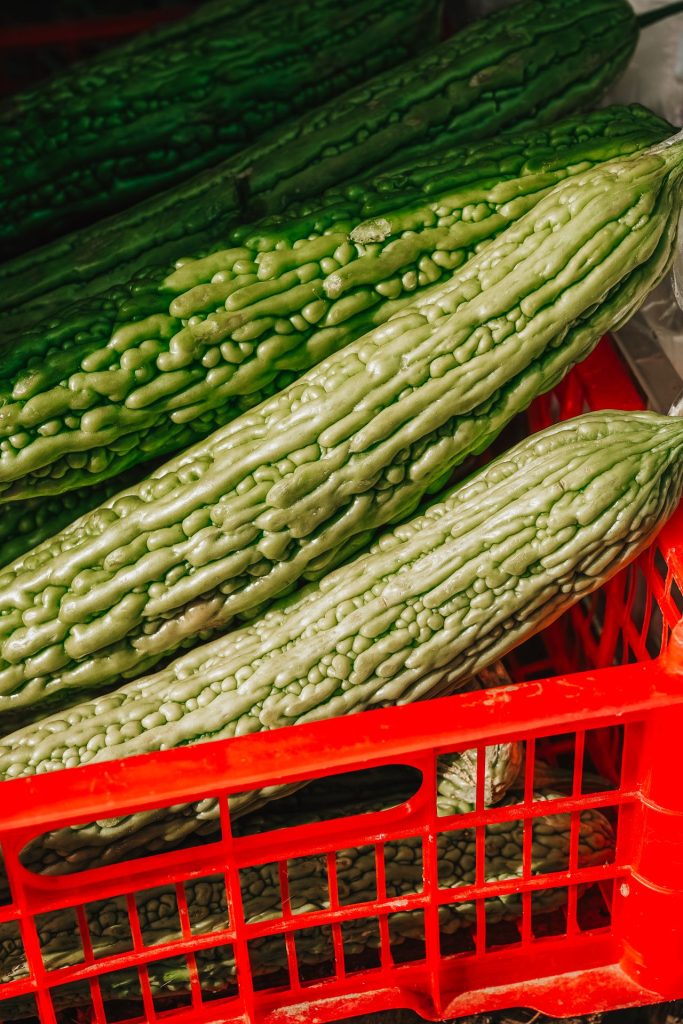
Photo: Pexels / Mitchell Soeharsono
Every day, truckloads of cabbage, carrots, sayote, pechay, and more make their way down the mountain from Mantalongon’s trading center. They’re sorted, repackaged, and sent straight to the city. Some don’t even stay in Cebu. Shipments also head to Leyte, Bohol, and Negros Oriental.
Every day, truckloads of cabbage, carrots, sayote, pechay, and other vegetables make their way down from Mantalongon’s trading center. They’re sorted, repackaged, and sent straight to the city. Some don’t even stay in Cebu. Shipments also head to Leyte, Bohol, and Negros Oriental.
Dalaguete Isn’t Alone
While Dalaguete carries the “Vegetable Basket of Cebu” title, it definitely has backup. The province’s so-called “vegetable belt” stretches along the southern spine of Cebu, covering towns like Carcar, Sibonga, Argao, Alcoy, and Boljoon.
One barangay worth knowing is Nug-as in Alcoy, just a short drive from Mantalongon. It has its own vegetable landing area with trading days scattered throughout the week, and interestingly, some of its produce doesn’t even make it to Cebu City. Traders from Negros Oriental buy directly from Nug-as because it’s actually cheaper and closer to ship out through the Bato-Tampi port route.
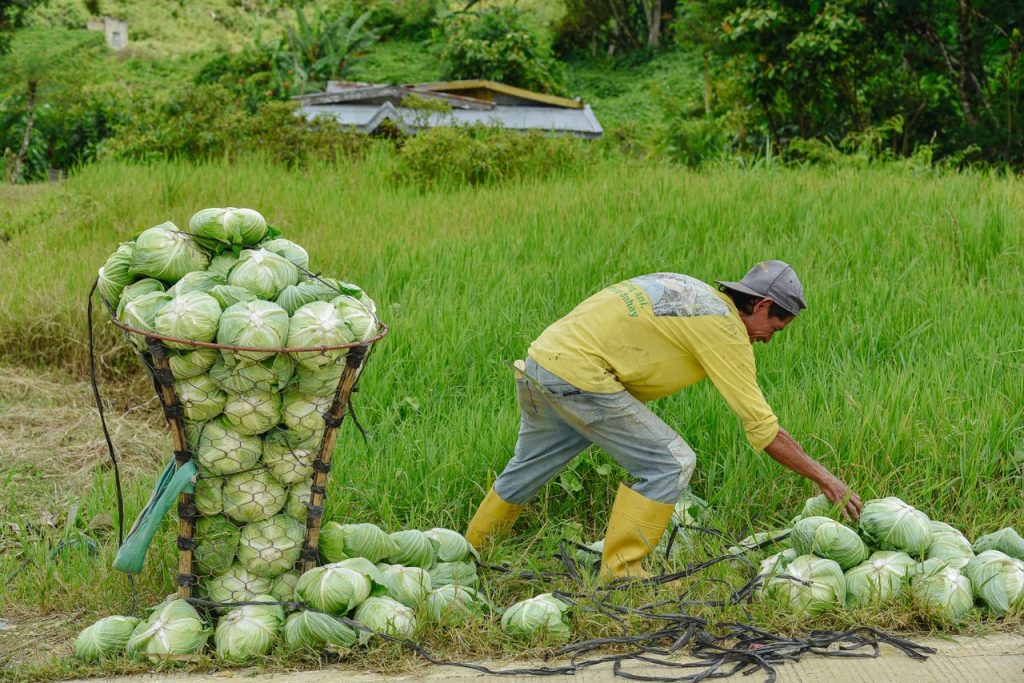
Photo: Pexels / Dennis Futalan
Up north, Balamban pulls its weight too, known for root crops and tubers like camote, gabi, cassava, and ube alongside its leafy greens. And within Cebu City itself, the mountain barangay of Sudlon grows a modest but steady supply of cabbage, pechay, and spring onions for nearby markets.
Next Stop: Carbon
Carbon Market has been Cebu’s main trading hub for well over a century. It’s the oldest and largest public market in the whole Central Visayas region. Once vegetables arrive from the south or the north, this is usually the first major stop before they get redistributed to smaller public markets, sari-sari stores, and supermarkets around the metro.
It’s also where farmers, middlemen, and vendors negotiate prices daily, which explains why veggie prices can swing depending on the weather, the season, or how good the last harvest was. A dry spell in Dalaguete, for instance, can mean pricier eggplants and string beans just weeks later. That’s how tightly connected Cebu’s dinner table is to what’s happening up in the hills.
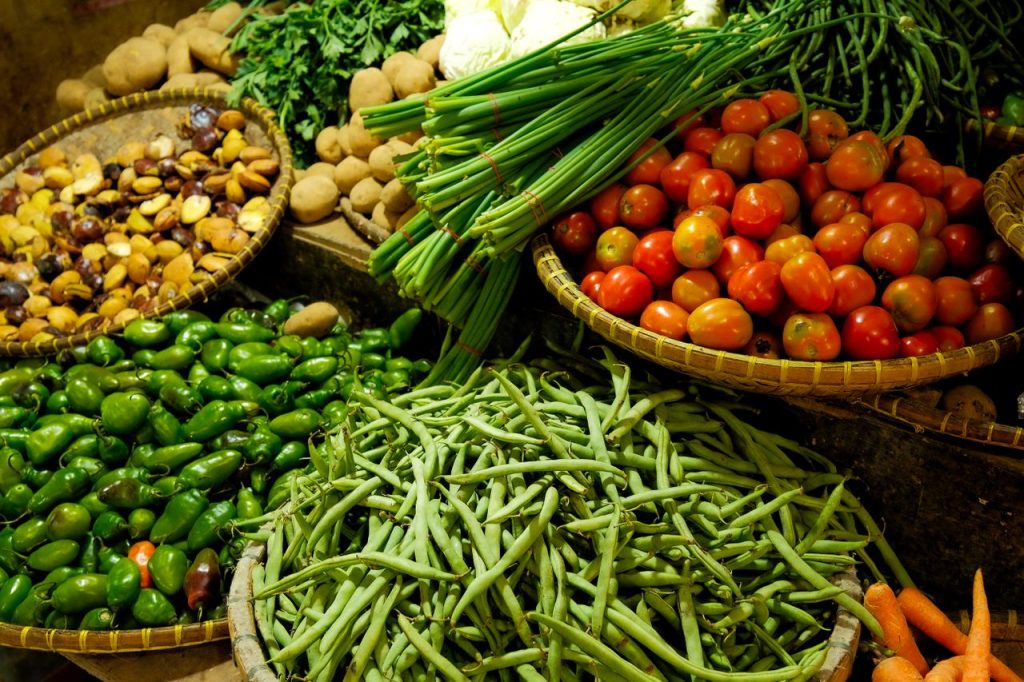
Photo: Pexels / Muhamad Guruh Budi Hartono
Beyond the Traditional Markets
Vegetable sourcing in Cebu isn’t just about wet markets anymore. In recent years, small organic farms have popped up closer to the city, offering an alternative for people chasing a more traceable, chemical-free harvest. One example is God’s Grace Farm in Barili, which grows organic produce and has become something of a model for small-scale sustainable farming in the province. It’s proof that farm-to-table isn’t just a trend in Cebu. It’s already happening in different ways across the island.
Food for Thought
Knowing where your vegetables come from isn’t just trivia. It’s a reminder of how much work goes on quietly in the background before food lands on your plate. Behind every kilo of cabbage or bundle of string beans are farmers who wake up before sunrise, carry heavy baskets down mountain paths, and brave unpredictable weather just to keep Cebu fed.
So next time you’re haggling over the price of okra at Carbon, maybe cut the vendor, or the farmer behind her, a little slack. That bundle of pechay or kilo of cabbage has traveled a long way before making it to your dinner table.