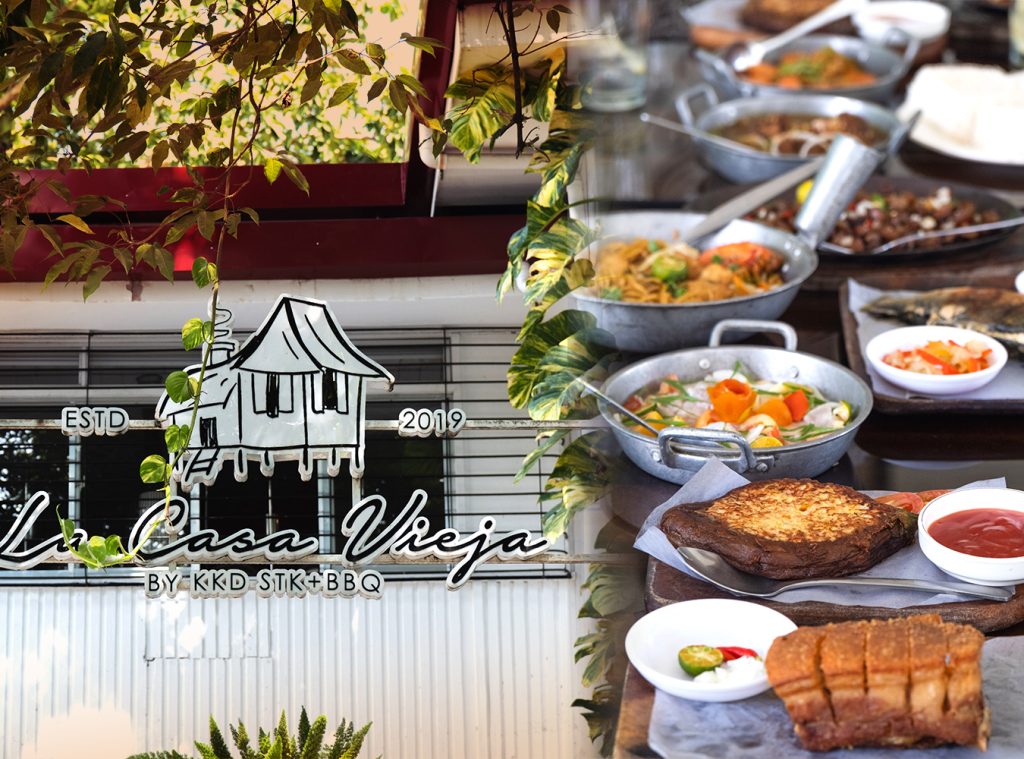


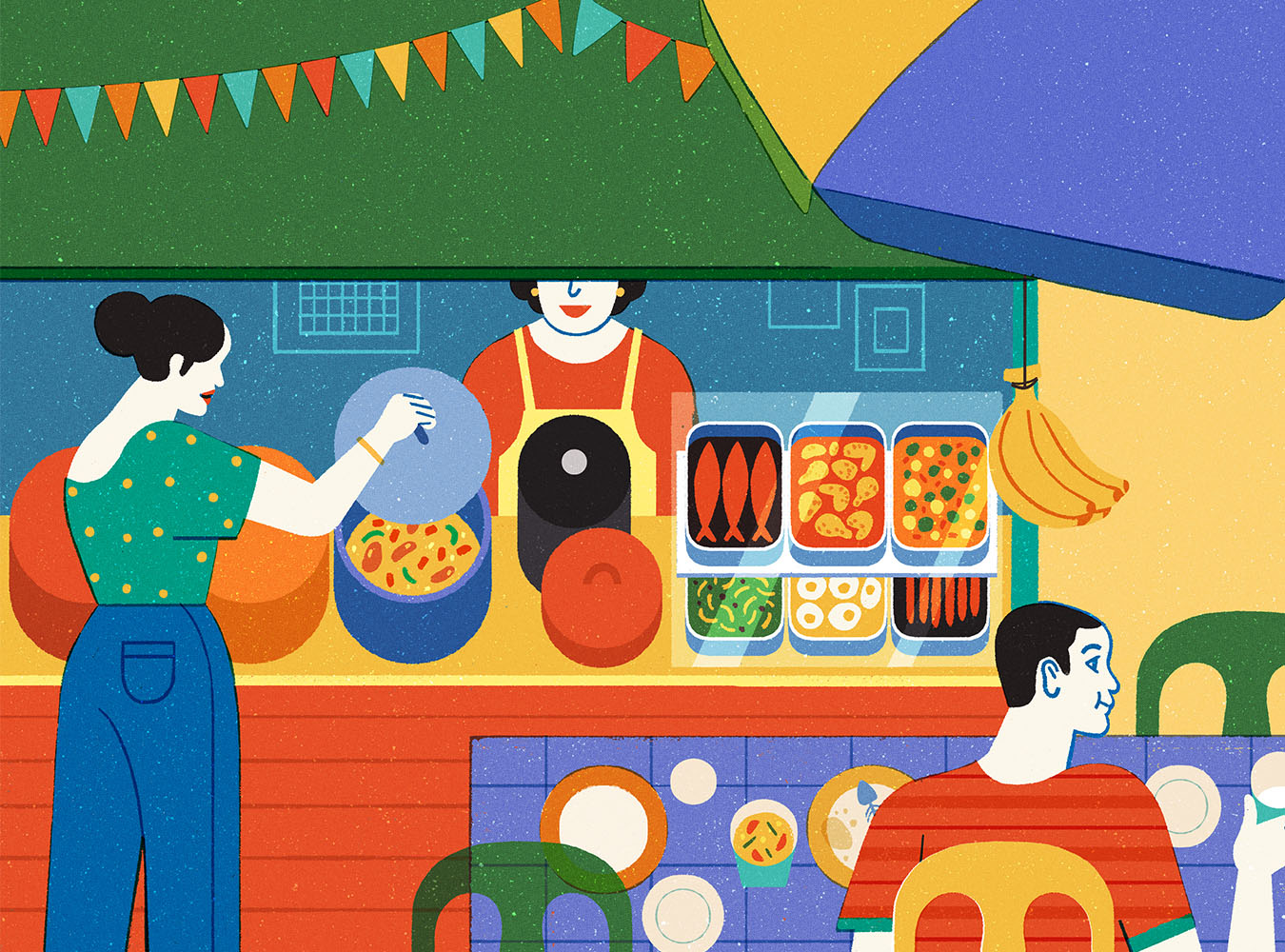
Healthy eating often gets linked to expensive groceries, meal subscriptions, and specialty cafes. Many people assume eating well costs more. Around Cebu, the answer often sits a few steps away, inside a neighborhood karenderia.
For decades, karenderias have served home-style meals built around fresh ingredients, simple cooking, and generous portions. Students, office workers, drivers, and families continue to line up every day because these small eateries offer food that is both affordable and satisfying.
The best part is that many meals already follow the basics of a balanced plate.
A serving of grilled fish with law-uy, monggos, or pinakbet gives protein, vegetables, and fiber in one meal. Tinola, nilagang baka, and chicken soup offer lighter options while keeping you full. Tortang talong, ginataang langka, and vegetable dishes add variety without adding much to the bill.
Healthy eating starts with smart choices, not expensive ones. Karenderias give you room to make these choices within what’s already available.
Instead of ordering two fried viands, choose one grilled or stewed dish and pair it with vegetables. Ask for extra soup if it comes with the meal. Drink water instead of sugary beverages. Small decisions like these improve a meal without requiring a bigger budget.
Price is part of why karenderias remain a daily option for many Cebuanos.
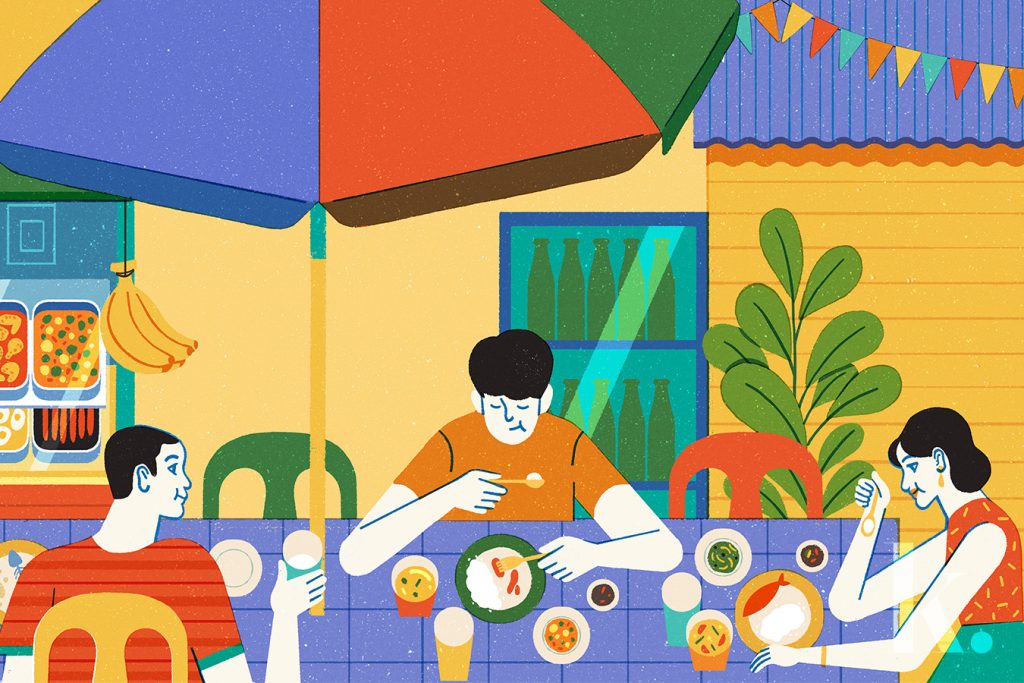
Meals here tend to be more accessible than most restaurant alternatives, with many serving complete meals for around 70 to 120 pesos. One order often includes rice, a viand, and soup, making it a practical choice for students and employees who eat out regularly.
Karenderias also reflect how Cebuanos have eaten for generations.
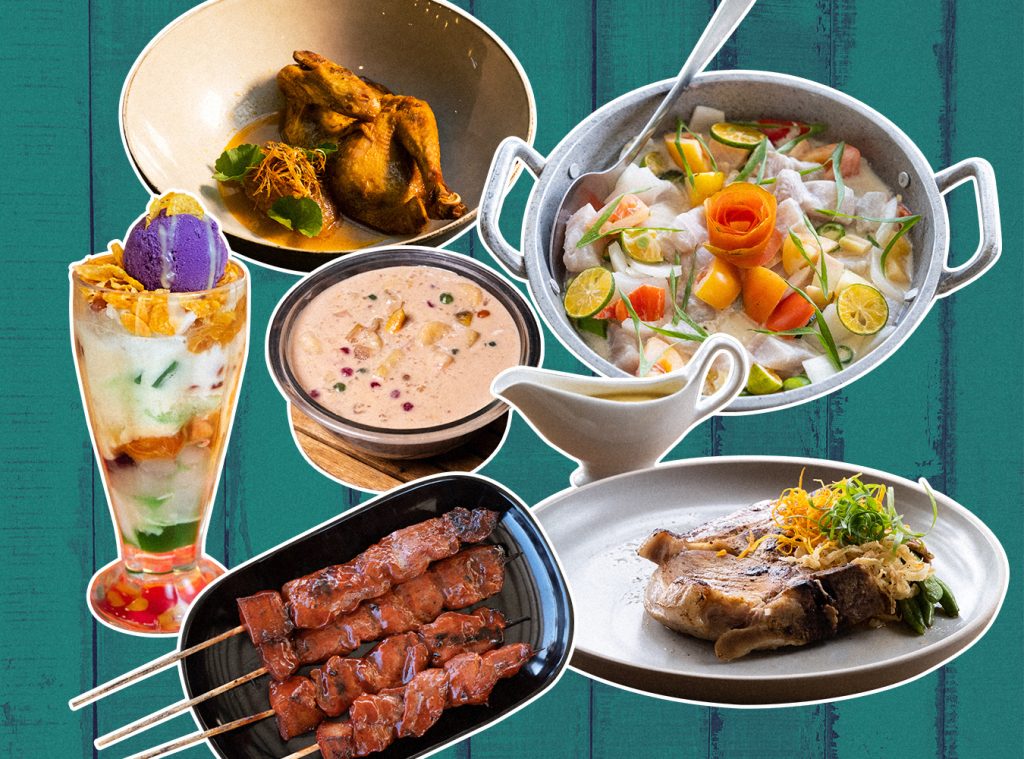
Many recipes come from family kitchens and rely on ingredients found in local markets. Vegetables, fresh seafood, native chicken, and seasonal produce remain part of everyday cooking because they are accessible and familiar. Meals such as utan Bisaya, paksiw, ginisang monggos, and grilled fish continue to appear on daily menus because they work.
These dishes prove that nourishing food does not need premium packaging or imported ingredients. Good meals often begin with fresh produce, careful preparation, and recipes passed from one generation to the next.
Every plate also supports a local business.
Behind every serving is a cook who wakes up before sunrise, a vendor who supplies fresh ingredients, and a family who depends on the day’s sales. Choosing a neighborhood karenderia keeps money within the community while helping small businesses stay afloat.
The next time lunch comes around, take another look at the nearest karenderia. A balanced meal often waits behind the glass display, prepared the way many Cebuanos know best.
Healthy eating does not begin with trends. Around Cebu, it often begins with everyday meals served at the neighborhood karenderia.