

In a time where matcha has evolved from a niche Japanese tea to a global lifestyle phenomenon, Atelier Matcha debuts in Cebu with a mandate that is both simple and ambitious: to introduce true Uji matcha to everyday life without sacrificing taste and tradition.
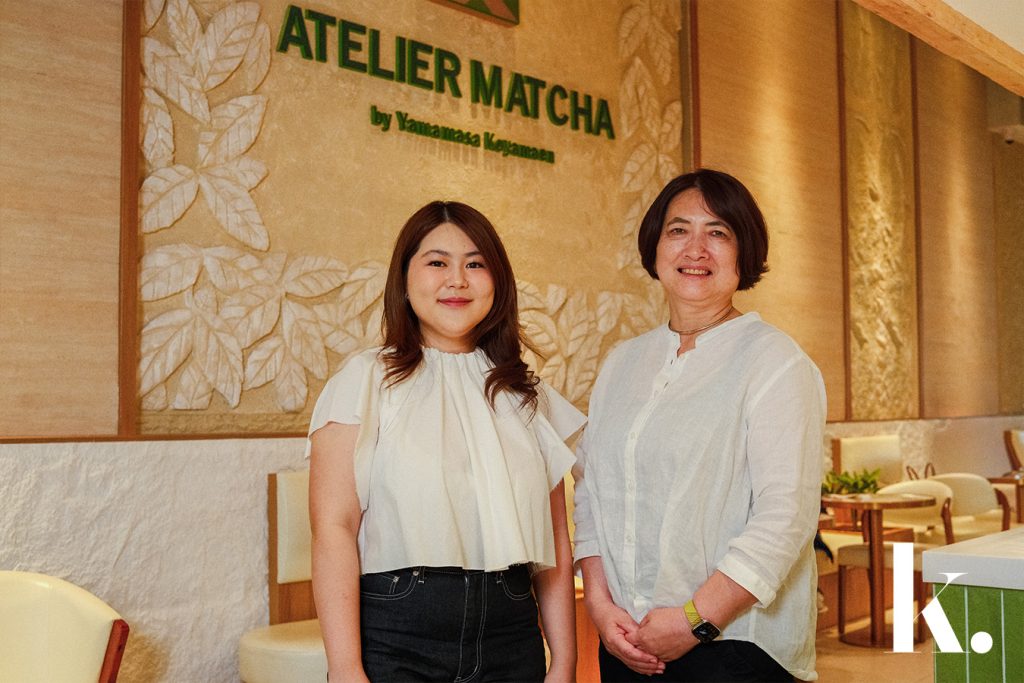
In 2021, Chitose Nagao tapped Yamamasa Koyamaen, one of Kyoto’s most revered tea makers with a history of over 160 years, and established Atelier Matcha in Tokyo. “Our concept is third-wave matcha. It means that we will share the Japanese tea culture with the first-grade matcha from Uji, but we enjoy this special matcha in a real casual way for everyday life,” Nagao shares. Premium matcha has traditionally been linked with elaborate tea rituals and luxury experiences, but here, the goal is to make the best Japanese matcha more accessible.
While most international food and beverage businesses open in Manila, Bea Uy, owner of Atelier Matcha Philippines, took a different route. “I’m from Cebu, so it was natural to open in Cebu first,” Uy adds. “We saw a growing community of matcha lovers in Cebu, people who genuinely appreciated quality matcha,” she says. “The Cebu market is very discerning, so we felt it was the right place to fine-tune the experience.”
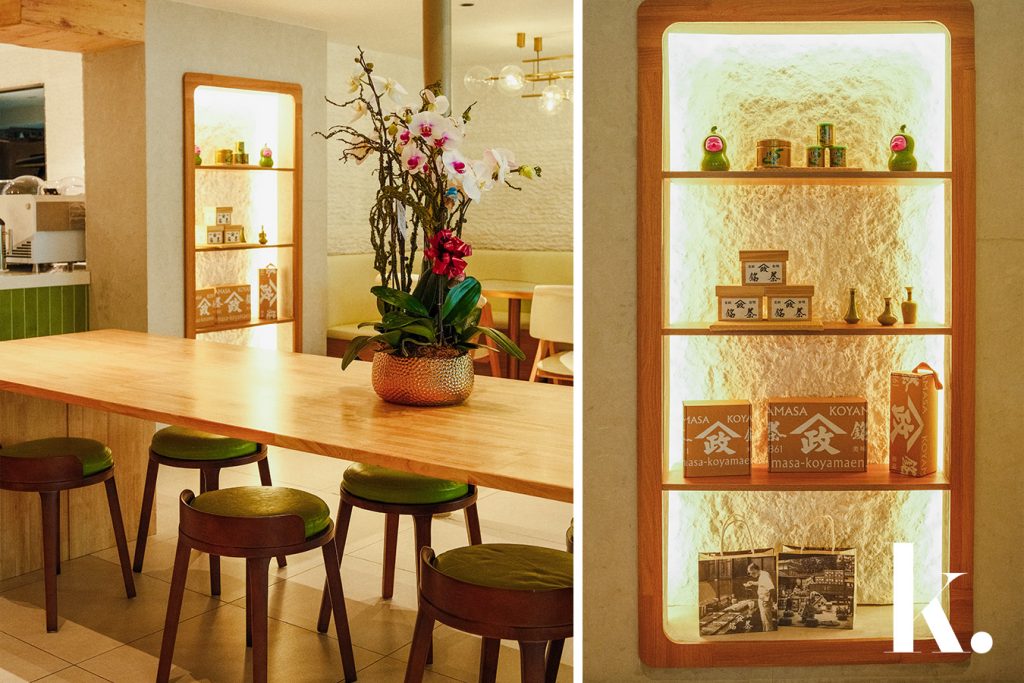
The heart of Atelier Matcha is their direct link to Yamamasa Koyamaen: the simple philosophy of “Taste First.” While most modern food production systems are run by machines or driven by data, here, it is done by skilled tea artists ascertaining quality by smell, color, feel, and taste, based on a sensitivity honed over generations. It all begins with the hand-picking of the young and sensitive leaves from the shade-grown tea bushes in Uji, then the slow crushing in old stone mills to maintain their bright green color and subtle aroma. In store, each cup is prepared individually, never by batch, but rather than the traditional hand whisking, Atelier Matcha employs an electric whisk for uniformity and simplicity, producing a balanced cup every time.
For tea lovers looking to explore the subtleties of fine Japanese matcha, the café offers a signature selection. Samidori is the gateway, with a mild, refreshing, and nutty taste. Ogurayama, the café’s unique house selection, has a perfect combination of sweetness and mild astringency, appealing both to those new to matcha and those who have been enjoying it for a while. At the top of the spectrum is Tennozan, a ceremonial-grade matcha with deep umami, incredible smoothness, and natural sweetness.
Trying variants in a single tasting flight is the ultimate way to experience matcha. Tasting them minutes apart eliminates “flavor memory” bias. You experience exactly what makes a luxury competition-grade Tennozan structurally different from a standard house benchmark, Ogurayama, and the more introductory Samidori, demonstrating that higher grades are not necessarily “stronger” in bitterness; they are more nuanced, silkier in texture, and more delicate in flavor.
For first-timers, Uy says the Ogurayama Latte is the best introduction to Atelier Matcha’s concept. For something more creative, she suggests her personal favorite, the Coconut Matcha Cloud. “It’s very refreshing and perfect for the Philippine weather,” she says.
Both Nagao and Uy prefer their matcha unsweetened to better appreciate its nuances and lean into the natural sweetness of quality whole milk if they want to enjoy a latte. They do, however, have several sweetened concoctions to cater to the prevalent local sweet tooth.


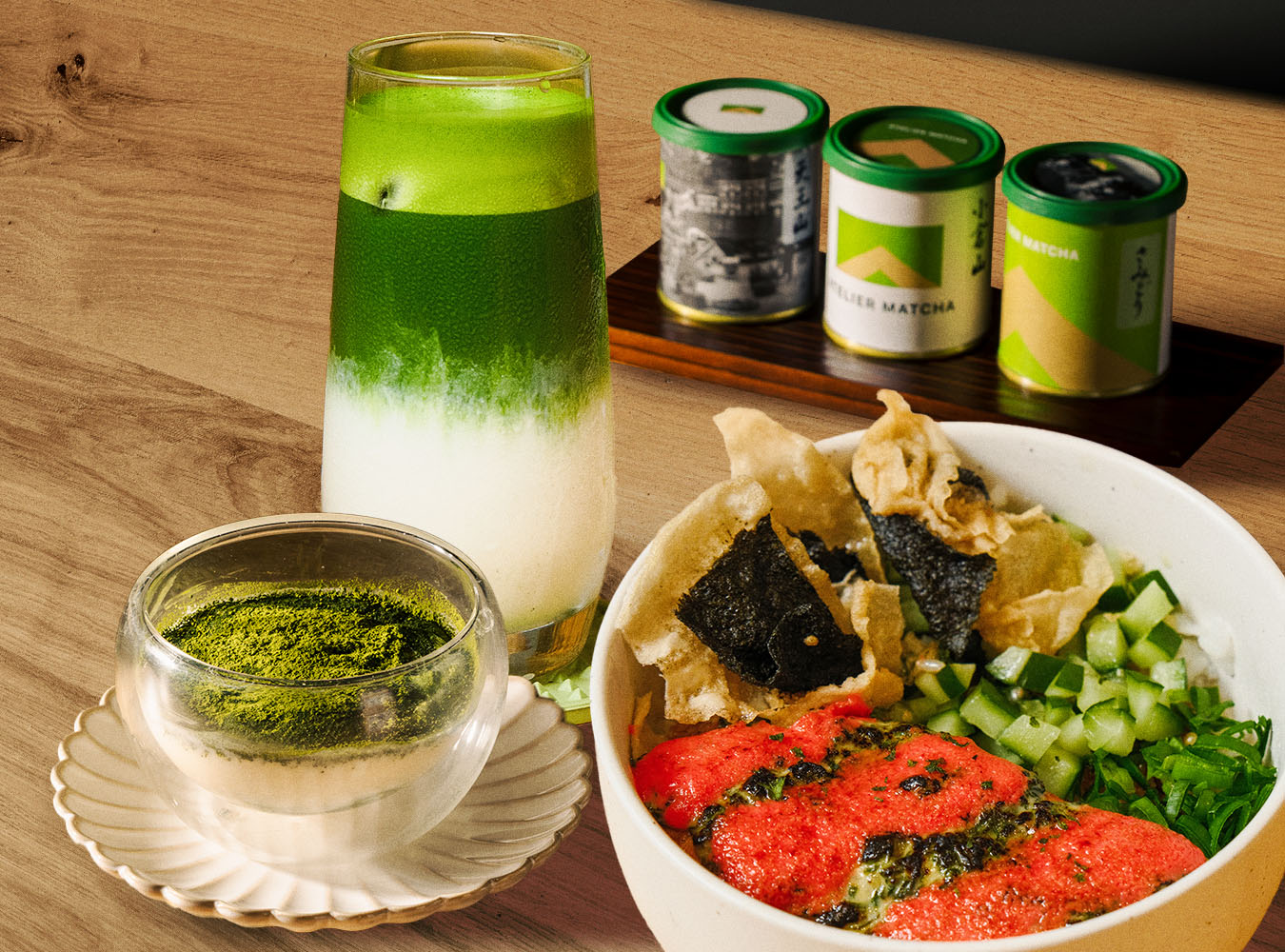
In addition to drinks, Atelier Matcha has a wonderful selection of culinary items. Among Uy’s favorites are the Miso Bolognaise Udon and the cafe’s Fish & Chips. For a heartier appetite, the Garlic Butter Steak Rice has juicy USDA-grade steak chunks coated in garlic soy sauce, served on garlic rice with crispy garlic chips. The Salmon Mentaiko Bowl is a big bowl of salmon, mentaiko creamed spinach, nori tempura, cucumber, and rice.
Desserts are just as enticing. Uy suggests the Matcha Tiramisu, closely followed by the café’s Cheesecake and Banana Pudding, which make for a perfect climax to a matcha-heavy lunch.
By bringing centuries-old Kyoto craftsmanship to contemporary Cebu, the café delivers something increasingly rare: authenticity without pretension, tradition without rigidity, and a daily ritual worth savoring one cup at a time.
Photography Kyrra Kho