


It’s a Tuesday. Your 9-to-5 just ended, and you’re on the way out to meet up with a friend. You have to drone through the stagnant highway traffic at peak hour, still donning a wrinkled work fit, until you find the restaurant that’s a bit over your usual budget for the month. But that’s okay, you reassure yourself, since you haven’t eaten out at a nice place in a while anyway.
Your friend awaits you at one of the tables, dark bags beneath his eyes from adjusting to her new schedule for the month. Pleasantries are exchanged out of formality. Maybe you get to make your friend laugh, and it’s the highlight of your day. But your friend is bolder than you, groggy from the long day, and she asks: ‘Musta na man ka dae?’ You, of course, respond before you even realize the words were waiting on your tongue. “OK ra ko. Ikaw? Lisod ang night shift?” And the speed of the response matches yours, hurried as if to avoid her own thoughts: “Ok ra man sad ko. Kakayanin.”
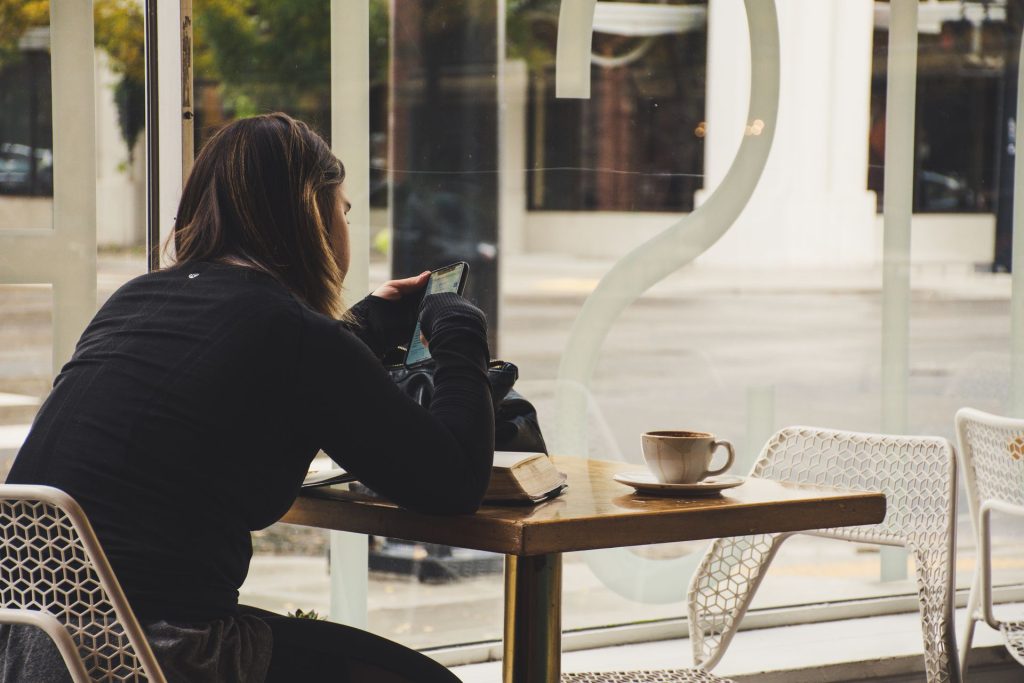
Food arrives, and it saves you both from the expectation to elaborate. And even once the night ends and you part ways, you hope that your worry for her came through, and that she didn’t see through your paper-thin walls.
It’s a long-running rehearsal, and everyone seems to hold the same script with slight improv. Okay ra ko. Asking fellow friends and loved ones how you’re doing feels like familiar and instinctive—part of our nature as Filipinos and our warmth for one another—but what use are greetings when our pleasantries become formalities to mask our truth, even in the presence of ones we can trust?
Growing Pains
Adulthood has made the words come easier than they should. Often the walls we build weren’t originally made to keep people out; instead, they were to mask the vulnerability beneath our lifestyle and the fragility of our reality. But attributing the matter to pride or resilience neglects a crucial aspect of such a mindset: that these words are an echo resonated from our guardians and parents.
A child who has yet to realize the value of stability over would-be luxuries can throw tantrums about their soon-to-be favorite toy being rejected from being passed over to the cashier. But age comes with its own frustrations, no longer expressed through thrashing until you get the toy you want. You’re in a stage of adolescence when you start to grasp your parents’ penny-pitching and cost-effective pursuits, worry stemming from all the things your parents choose to keep from you (for your own good, for your own youth to live out). But the thought takes root nonetheless. You understand that putting food on the table is that luxury, once thought to be those toy figurines that gather dust on shelves and storage boxes.

It doesn’t quite help that each time you ask if there’s anything you can do to uplift the family situation, your parents offer you their warmest smiles, wrinkles on the edge of their eyes that trace so much like the start of your worry lines on your young features. “Okay ra mi uy. Just keep doing what you need to do.” A laugh and a joke to really lighten the air even when the load is heavy. And when you’re young and naive with little else to your name and skills, how else can you respond in a way that’s actionable and helpful?
You continue. You have to. When the stress of your guardians shows, you only want to ease them away from your own personal burdens. You start to catch on with how easy it is to reassure others even when your troubles have only just begun: Okay ra ko.
A Public Consciousness
We settle for less, we deny the need to decompress, and the words unsaid are shoved away in shame, pride, or often even both.
The habit of saying “Okay ra ko” carries through in public consciousness, connecting each Filipino through a string of irony. Whether it’s that one overworked co-worker who settles with saying everything through forced laughs, the elderly uncle who grunts a vague affirmation, or ourselves and the practiced way we speak in half-truths, more often than not revealing more than we intend to. But how do we seek comfort when everyone around us is just as affected by the habit?
We seek reprieve from living in survival mode when the hands of the masses are dealt the same disadvantaged hand. Fuel, the new luxury. Energy shortages. Costly groceries. Degrading Philippine peso. The state of Philippine politics and neglectful politicians. Rapidly changing climates. Countries of conflict. The year has been consecutive global crises after another, and most affect the average Filipino. There is an overabundance of matters to worry about now more than ever, and our burdens only grow by the day.
It is difficult to be soft in a society that forces you to harden your shell. That is protection, but it is also isolation when we stubbornly remain in our enclosure. Perhaps then the greatest form of forgiving yourself is opening that window and letting the light in. When times are difficult, and the odds are stacked so unevenly against us, we should seek strength in openness. Because honestly? Dili man OK ang average Filipino karon. Allow yourself the grace of confession to absolve you, and ready yourself and your loved ones to face tomorrow through the strength of community.