

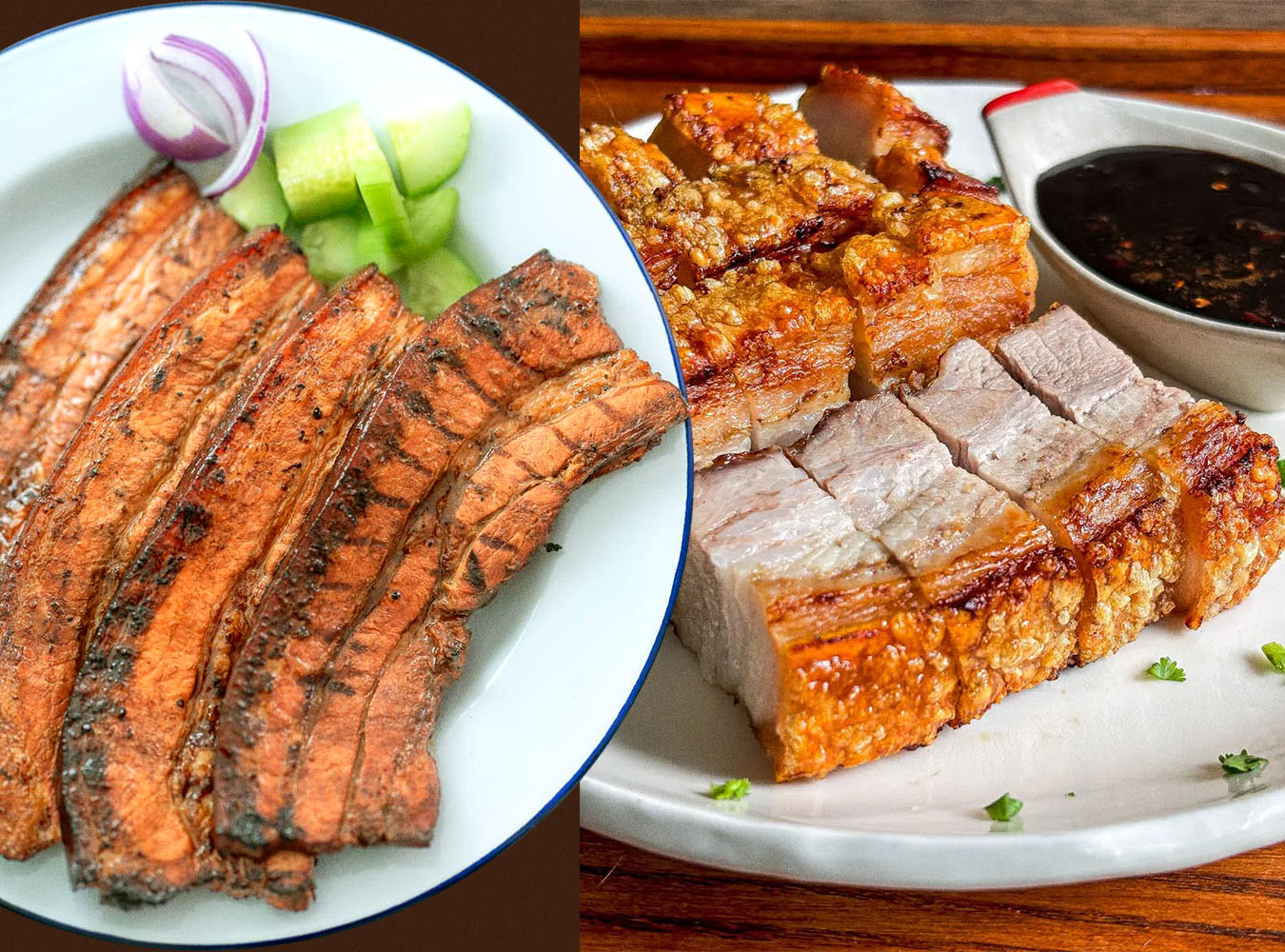
Ever heard the Cebuano expression “pinasagdan sa kusina?” Literally translated as “left alone in the kitchen,” it’s a playful way of describing someone who loves food or someone who’s always hanging around where the food is. They say the way to a person’s heart is through their stomach, and in Cebu, that’s easy to believe.
There’s no denying that Cebu is a food lover’s paradise. From the island’s world-famous lechon to freshly sinugbang liempo, pusit, isda, isaw, and bangus sold along the roadside, sharing tuslob buwa with friends, or ending the day with a comforting bowl of balbacua, Cebu’s food scene has a way of bringing people together.
They are all present at fiestas, birthdays, family reunions, weekend food trips, and everyday celebrations. And many of these favorites also fall under the familiar Filipino expression putok batok.
Meaning “bursting artery,” it’s a lighthearted term for dishes rich in fat, cholesterol, sodium, or calories. While the phrase is often used jokingly, it also carries an important reminder: enjoying these indulgent meals too often may affect our long-term health.
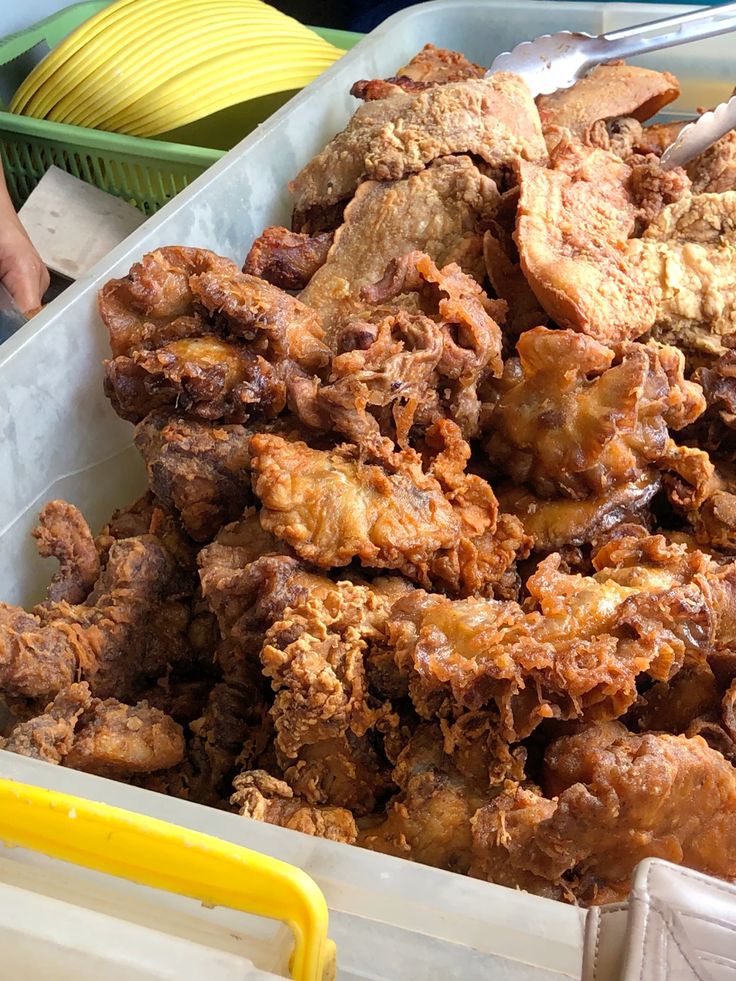
Research shows that diets consistently high in saturated fat and sodium may increase the risk of high blood pressure and cardiovascular disease, especially when combined with a physically inactive lifestyle. As the saying goes, you are what you eat, but one serving of lechon won’t define your health. It’s the choices we make that matter most consistently.
The good news? You don’t have to give up your favorite Cebuano dishes.
That’s why modern nutrition focuses on balance rather than restriction. Instead of labeling food as “good” or “bad,” it’s more realistic and sustainable to enjoy your favorite comfort food in moderation while maintaining healthy habits most of the time.
Because let’s be honest: nobody wants life, or their plate, to be black and white.
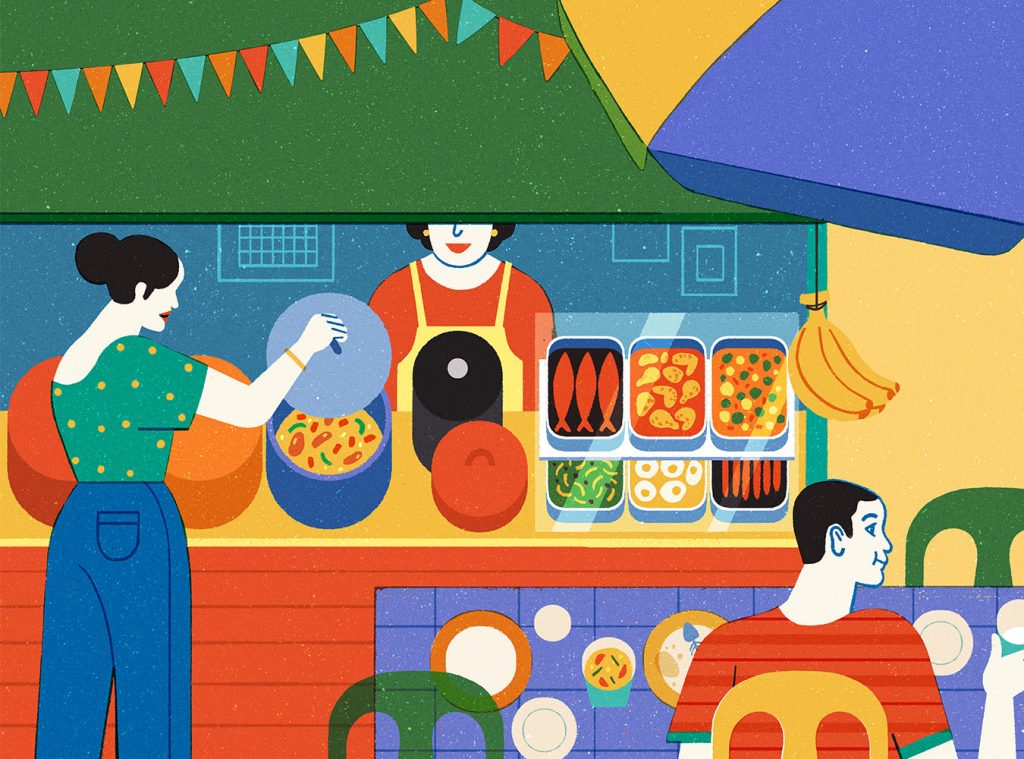
And no one wants to skip a Cebu street food crawl, especially if it’s their first visit to the Queen City of the South. From ginabot (chicharong bulaklak), barbecue, and ngohiong to grilled seafood and pork, these local favorites have become staples for generations. The goal isn’t to avoid them; it’s to enjoy them mindfully.
Eat Smart, Not Less
Healthy eating doesn’t mean saying no to your favorite dishes. It simply means making smarter choices.
There’s a reason many families remind us, “Take all you want, but eat all you take.” It’s easy for your eyes to be bigger than your stomach when every dish on the table looks irresistible.
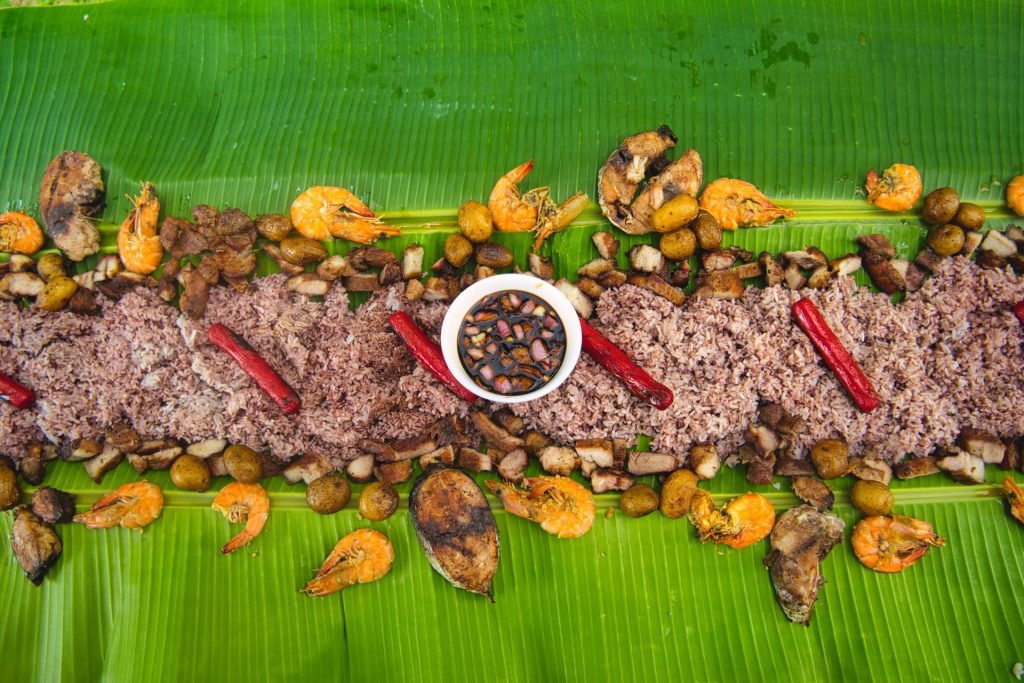
Research shows that larger portions often lead people to eat more than they actually need. So don’t bite off more than you can chew. Start with a moderate serving of richer dishes like lechon, crispy pata, or ginabot. You’ll still satisfy your cravings while naturally reducing excess calories, saturated fat, and sodium.
Instead of letting red meat dominate your plate, leave room for rice, vegetables, and other nutritious side dishes. A balanced plate doesn’t mean eating less; it means eating better.
Adding vegetables is one of the easiest ways to enjoy rich meals without sacrificing flavor. And no, this doesn’t mean you suddenly have to become vegetarian or vegan.
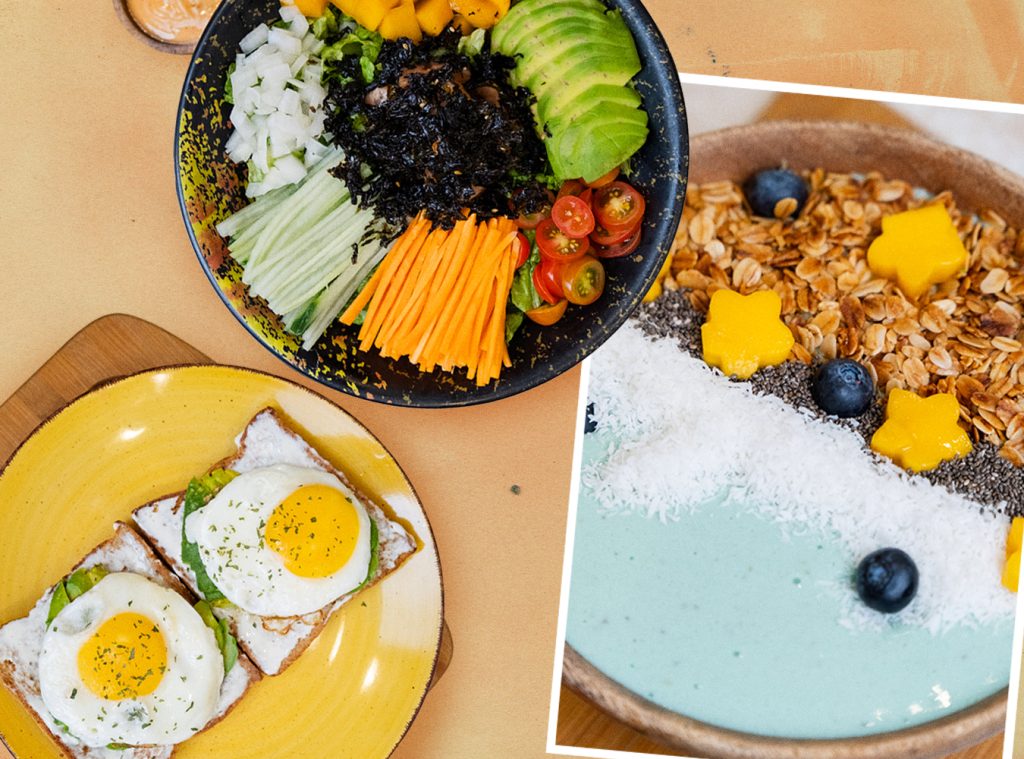
Fresh tomatoes, cucumber, leafy greens, or local vegetable dishes like utan Bisaya (law-uy) provide dietary fiber, vitamins, and minerals that many Filipinos don’t get enough of. Fiber helps support digestion, keeps you full longer, and may reduce the urge to overeat later in the day.
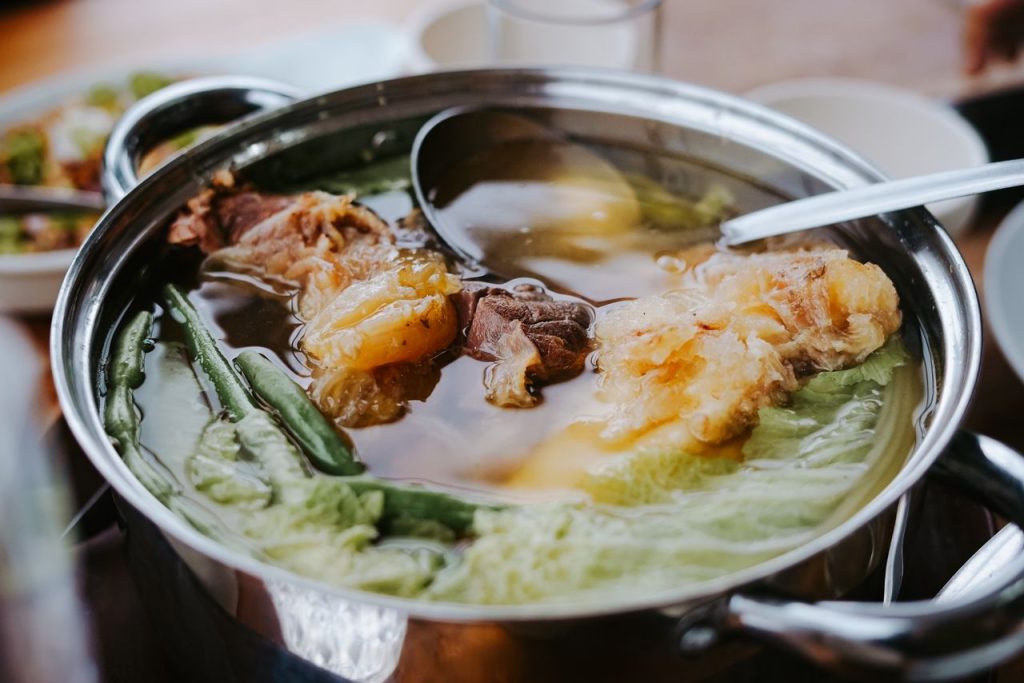
Warm soups like tinolang isda (tinowa) or halang-halang are also excellent companions to grilled or roasted meats. Their broth and vegetables add nutrients and make the meal feel more balanced without making it heavier. Sometimes, the simplest combinations are the perfect recipe for success.
Pair Rich Dishes with Lighter Choices
Sometimes, balance is simply about what you eat alongside your favorite dishes.
If you’re having humba or lechon, pair them with vegetables or a light soup instead of another fried side dish. If you’re enjoying sinugbang liempo, pusit, or bangus, fresh vegetables and water make refreshing companions.
For tuslob buwa, traditionally enjoyed with pusô, water is a better choice than sugary drinks. While fruit juices contain vitamins, whole fruits generally provide more fiber and are the healthier everyday option. If you do choose juice, go for freshly prepared varieties without added sugar.
Healthy eating doesn’t stop once the food reaches your plate. Don’t wolf your food down. Eating slowly gives your body enough time to recognize when you’re full. Since it takes about 20 minutes for your brain to receive those signals, slowing down can help prevent overeating while allowing you to enjoy every bite.
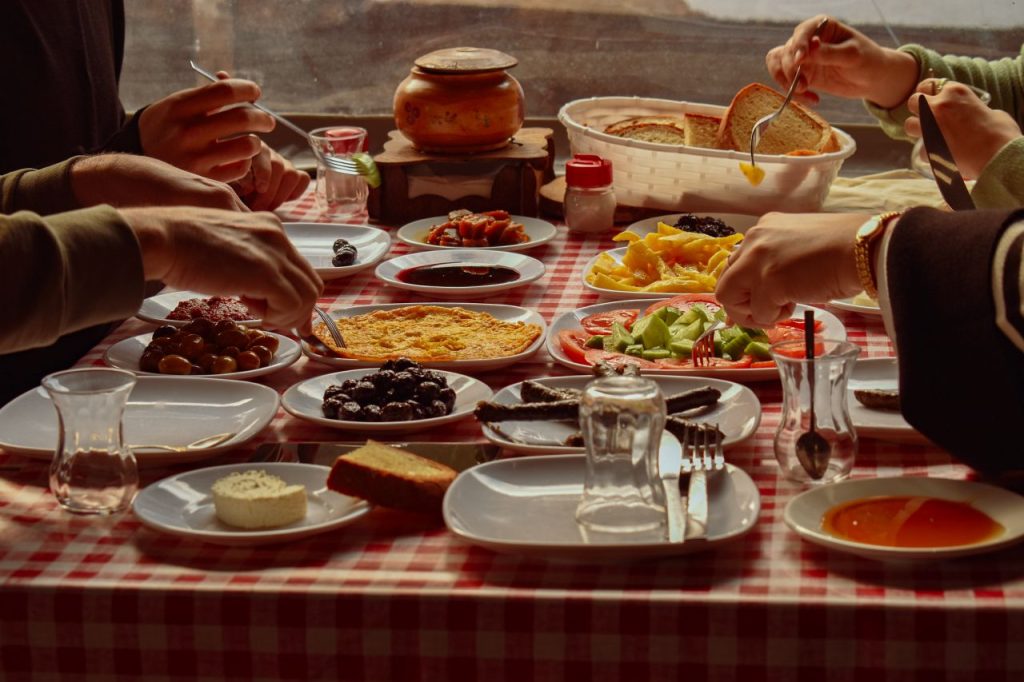
Staying hydrated is just as important, especially after meals that are high in sodium. Drinking enough water supports your body’s normal functions and helps maintain proper fluid balance.
After a hearty meal, a little movement can go a long way. Take a leisurely walk, ride a bike, dance (but not too much), or simply stay active throughout the day. You don’t have to “earn” your food with an intense workout; consistent movement is what matters most.
Everything Tastes Better When Shared
One of the easiest ways to enjoy putok batok dishes without overindulging is to share them.
Ordering different dishes for the table lets everyone try more flavors while naturally keeping portions in check. After all, the more, the merrier. Sharing a meal has always been part of Cebuano culture, where food becomes even more meaningful through stories, laughter, and the people gathered around the table.
At the end of the day, enjoying Cebu’s comfort food doesn’t have to come at the expense of your health. By practicing moderation, building a balanced plate, staying active, and sharing meals with family and friends, you can continue savoring the island’s iconic flavors, one mindful bite at a time.
Because even when food prices keep going up, your blood pressure and cholesterol don’t have to follow. The best investment isn’t just enjoying today’s feast; it’s making sure you’ll still be around to enjoy the next one.