

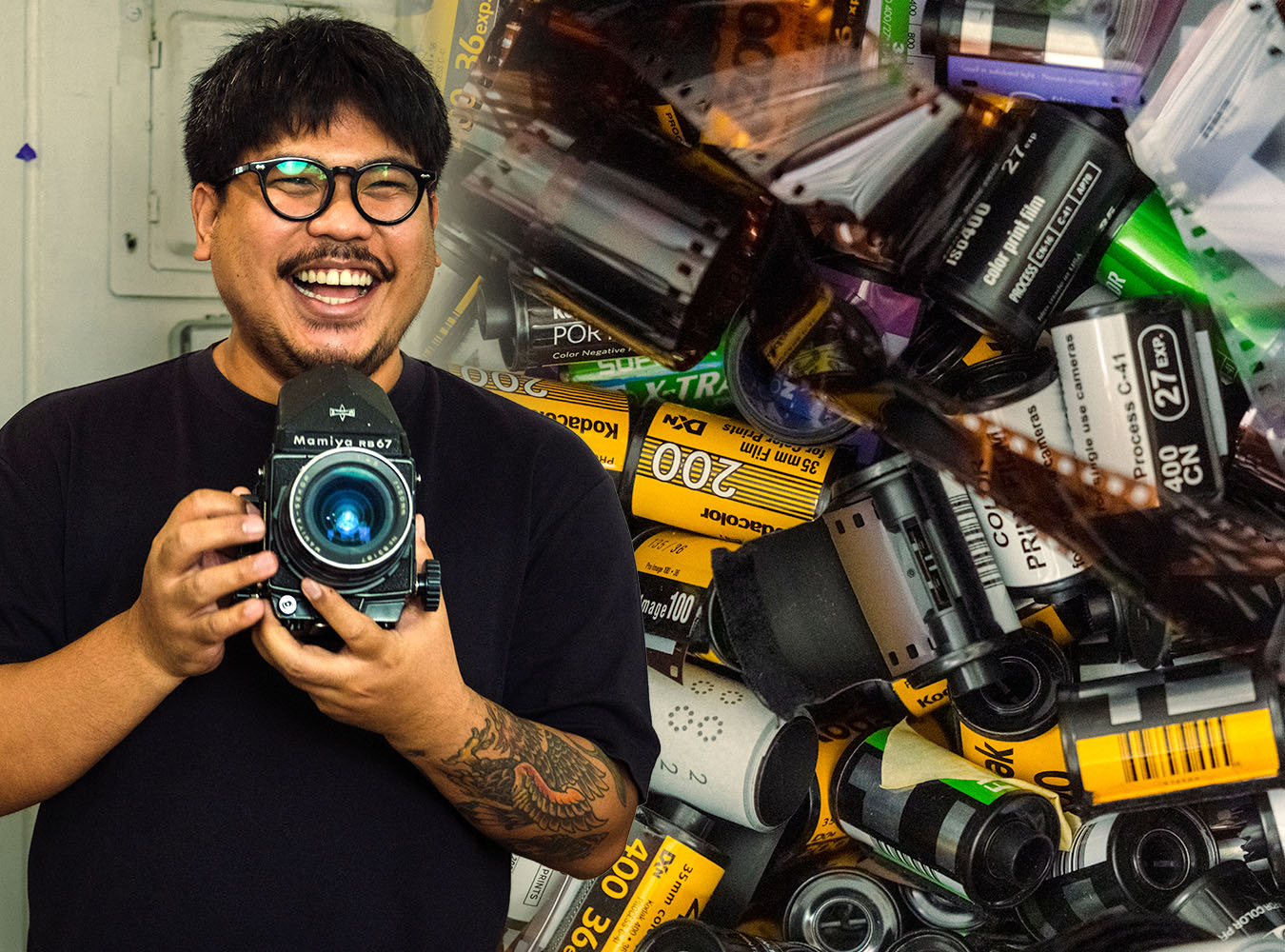
When was the last time you held a photo album?
Not the kind built into your phone, nor the shared Google Photos with friends. Think of the physical photo album lined upon old shelves in your childhood home, the permanent marker of mama’s handwriting bold against age-tinged photos and the memory preserved despite its edges partly faded. An album dedicated to your baby pictures. Beside it, an album of your growth over the years. Another one, nostalgic and sepia-toned, filled with photos of your parents at your age. Other albums you don’t even recall anymore, but the moments remain safely tucked between the pages.
Photos—at their core, the memory-making behind them—have always been part of Cebuano culture. Nowadays, we’re able to take rapid-fire snaps using a smartphone, sift through and decide what’s “Instagramable” because there’s sure to be the perfect shot amid the repetition. But analog photography entails a little more suspense.
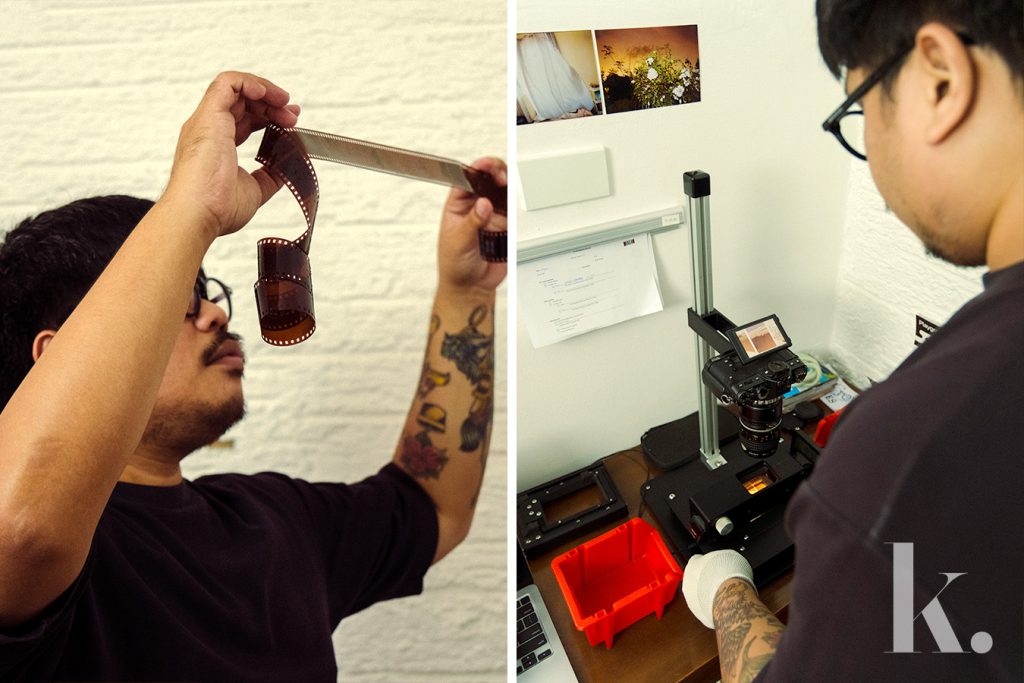
If you’ve held a film camera in recent years, you know the motions of a held breath, hands steadied, and the anticipation (and just a hint of apprehension) as you take the shot. (And maybe even a few mishaps of realizing “Ay hala, nakalimot ko ug tangtang sa lens cover!”) And even then, the photo’s true form isn’t truly known until it’s processed in a film lab.
The lack of agency in analog photography may perhaps be the weakness of such a vintage method. But at The Grainhouse Film Lab, there’s a vulnerability to film that makes each photo all the more precious.
A humble background
Whether you’re a veteran of the local photography community or someone who’s only started analog photography, you’ve likely already heard of The Grainhouse Film Lab. This independent film lab officially opened its physical store back in March at ATÚA Midtown, a place where Cebu’s creative minds come to browse and connect with modern local artistry. For The Grainhouse founder Jonathan Kim Canoy, the film lab is his contribution to keeping the art form alive.
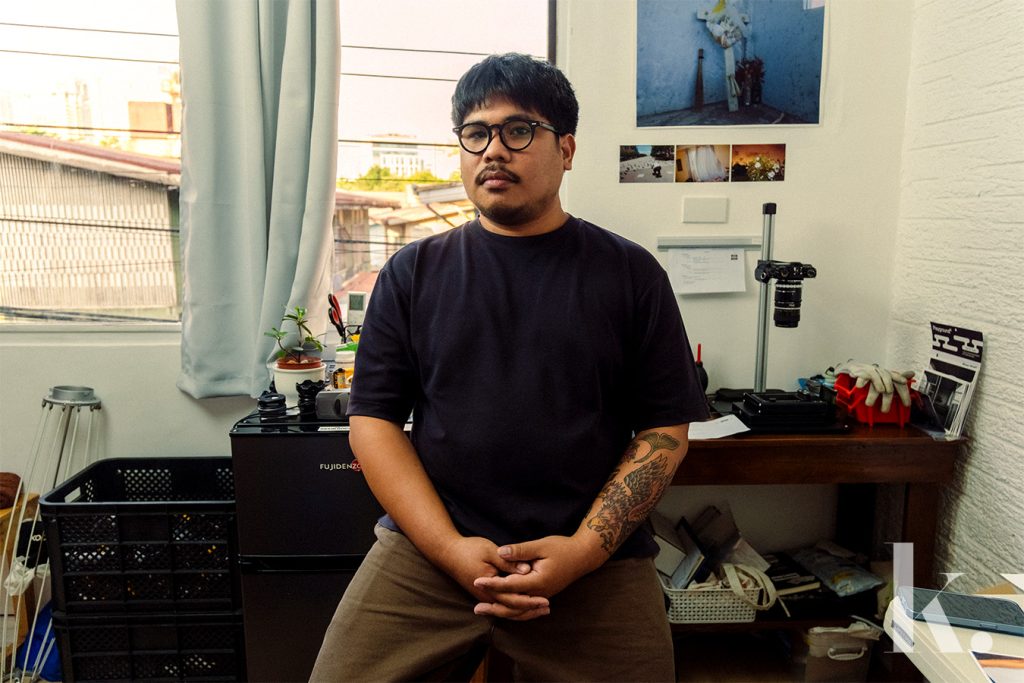
A self-taught photographer, Kim leaves his home only after he’s sure he’s packed his camera, honing his craft by simply making an extension of himself until it became habitual. Noticing the lack of film labs in Cebu was another reason he began The Grainhouse after years of developing film for friends, then friends-of-friends, and eventually veering into word-of-mouth clients after praise spread through the community of his film development.
Before it formally began its film development services in 2021, The Grainhouse started as a passion project in a period where COVID restrictions still lingered in daily habits. People were still cautioned to maintain social distancing each time they stepped outside their house.
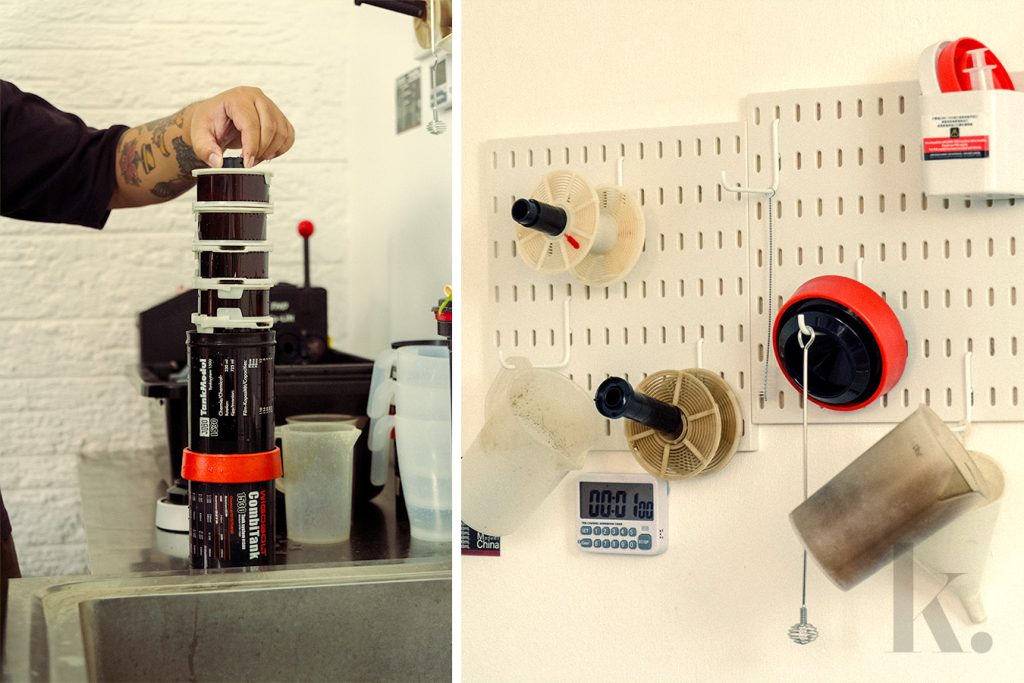
At the time, Kim expressed how the photography community lacked subjects to shoot as a consequence. But when Kim began developing film at home, the opposite was shown when he received film development requests. Snaps of quick grocery runs, walks along deserted streets, meals with loved ones, or even just the meal itself—at a time when distance was encouraged, the mundanity of everyday scenes was still considered precious enough to be made physical. And Kim, who believed that photography should be taking a photo of what’s in front of you in its raw form, resonated with the sincerity of people simply wanting to be present.
Truth to a camera
But film isn’t quite as cut-and-dry as a smartphone snap. A day in The Grainhouse reflects the patience and care needed when it comes to handling film. The film development process is lengthy and demands precision. Each day is routine and familiar so long as you dutifully follow every step in order to bring out the best of the film. The process sounds tedious, and there’s no shortcut to make it any easier, a sobering reminder for Kim that the art form demands its due diligence as work.
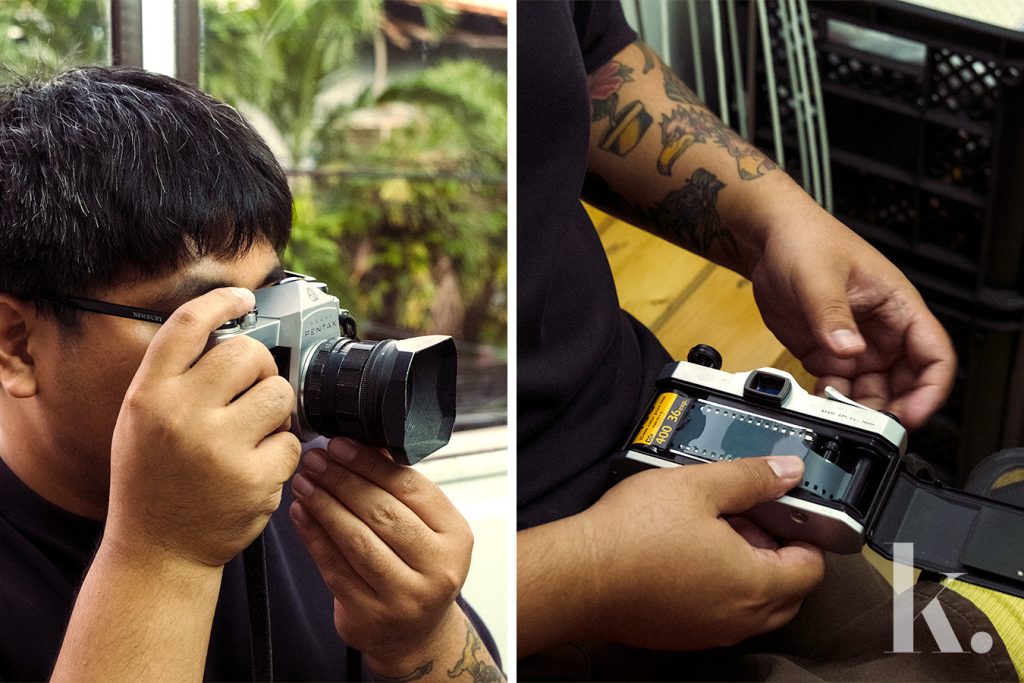
But for Kim, part of the fulfillment in film development is the thrill of how the finished image will come out. Film doesn’t chase after perfection. Rather, it’s the honesty of the moment the shot was taken. There’s minimal setup and curation, just the eye to position your lens and the instinct of when to take the snap before the moment slips by. Much of the pressure to post it on social media is alleviated because it’s a moment you take for yourself.
In a time where smart features of a smartphone’s built-in camera present options to filter out every little flaw, analog stays true to form. A camera won’t tell you to blur out acne, to make the grass greener, or offer to remove the people in the background “ruining” the photo. The camera only takes the moment as it is, and not as it should be, preserving the present at all its rough edges. And that “imperfection” is how you can tell, even years after the moment will escape you, that memory is real—and irrevocably yours to reminisce.
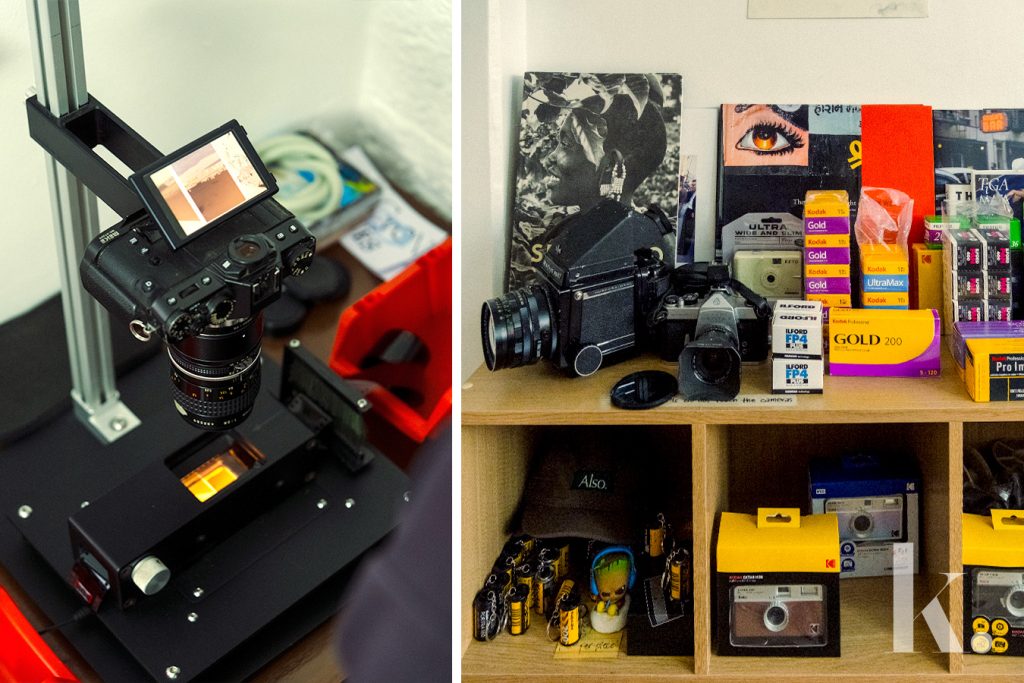
Visit The Grainhouse Film Lab at Unit A-213, Atua Midtown, and check out their website at grainhousefilmlab.com. For inquiries, contact them via IG or FB at @thegrainhousefilmlab. And for photography services, book Jonathan Kim Canoy at @kimcanoy_.
Photography Kyrra Kho