


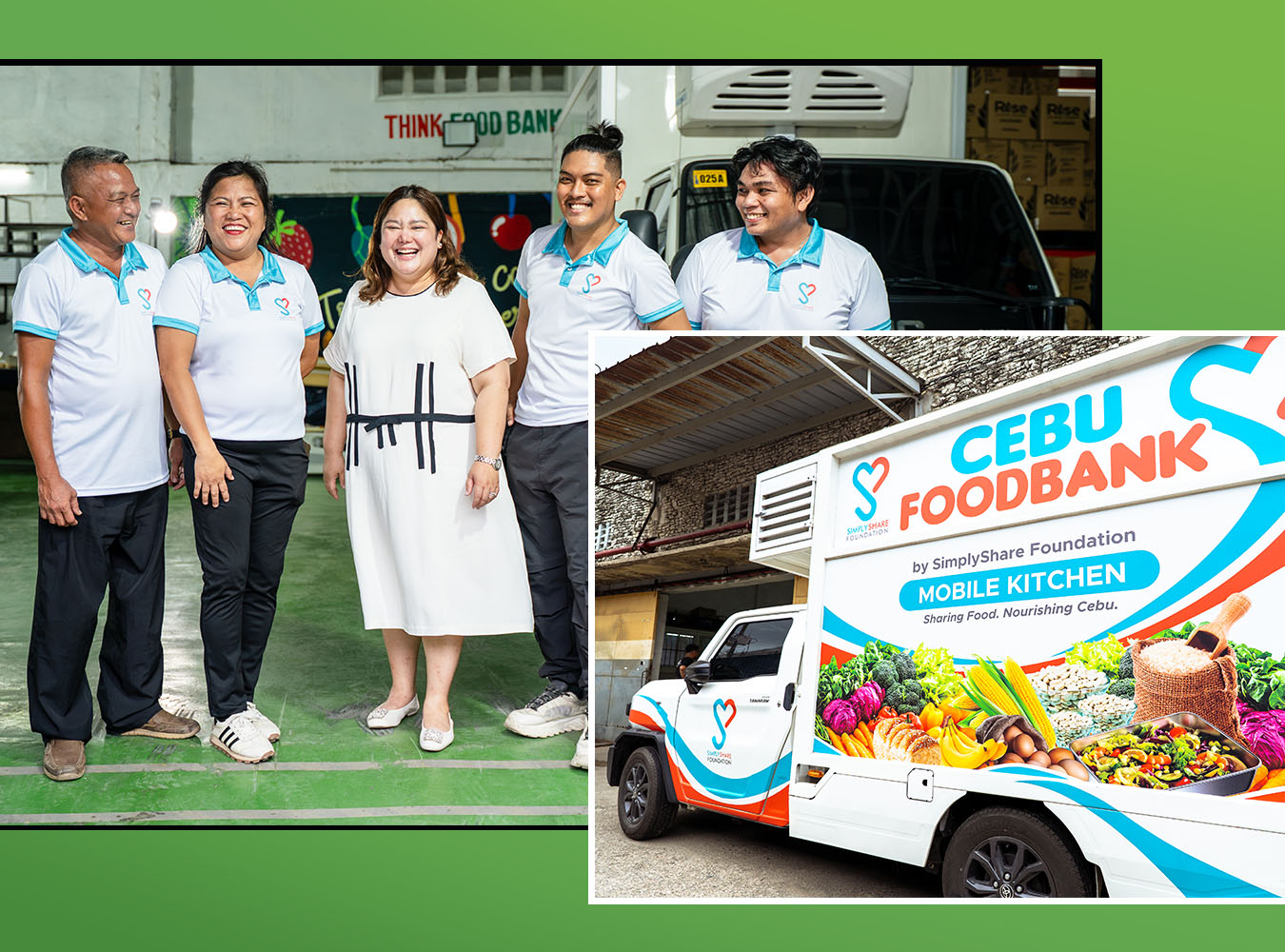
Food security is more than just tackling hunger in communities. In official definitions, food security can be achieved if it “simultaneously” fulfills the four dimensions below (Food and Agriculture Foundation):
- If food is physically and sufficiently available;
- If food is economically accessible;
- Food utilization, or the human body’s capacity to convert food intake into sufficient energy and nutrition; and
- If the dimensions above are stable.
Though the world celebrates World Food Day on October 16, Cebu and the Philippines have yet to realize food security among communities. Studies show that one in four Filipino children’s growth has been stunted due to lack of nutrition.
As Sugbuanons grapple with continued stagflation and rising food prices, embracing collaboration to fortify should be encouraged now more than ever. For SimplyShare Foundation, one way they strive to uplift families in these difficult times is the Cebu Food Bank initiative.
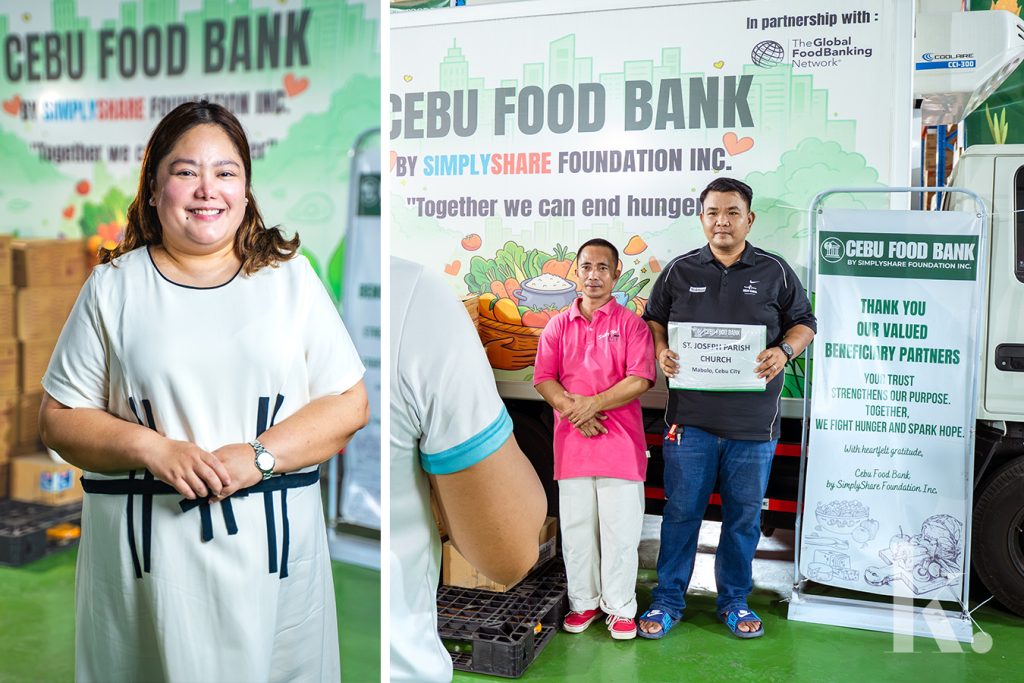
Dr. Elisse Nicole “Nikki” Catalan, Cebu Food Bank’s Executive Director, explains how the beauty of food banks lies in ensuring excess food can still be consumed safely and promptly.
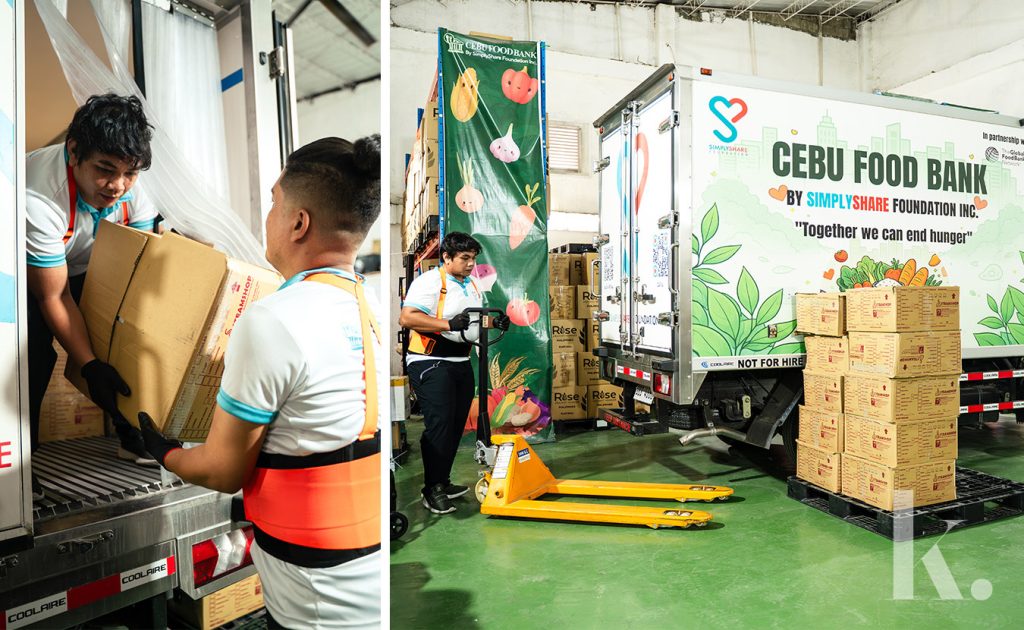
“We rescue surplus food, either from retailers or manufacturers, then store it in a warehouse and distribute them to beneficiaries,” Dr. Nikki said when explaining how Cebu Food Bank first began with a warehouse model back in 2023.
Surplus food refers to food still fit for human consumption. This can also include excess food from restaurants and hotels. Hence, part of the challenge faced by food banks is racing against the remaining time in which rescued food is still considered safe to eat.
As a food bank established by the Simply Share Foundation with the support of the Global Food Bank Network, the organization has also hosted food recovery and distribution programs since COVID-19, providing meals to impoverished households, as well as hosting programs that encourage private institutions to reduce food waste. They have also worked with organizations such as Rise Against Hunger to provide disaster relief in times of calamity.
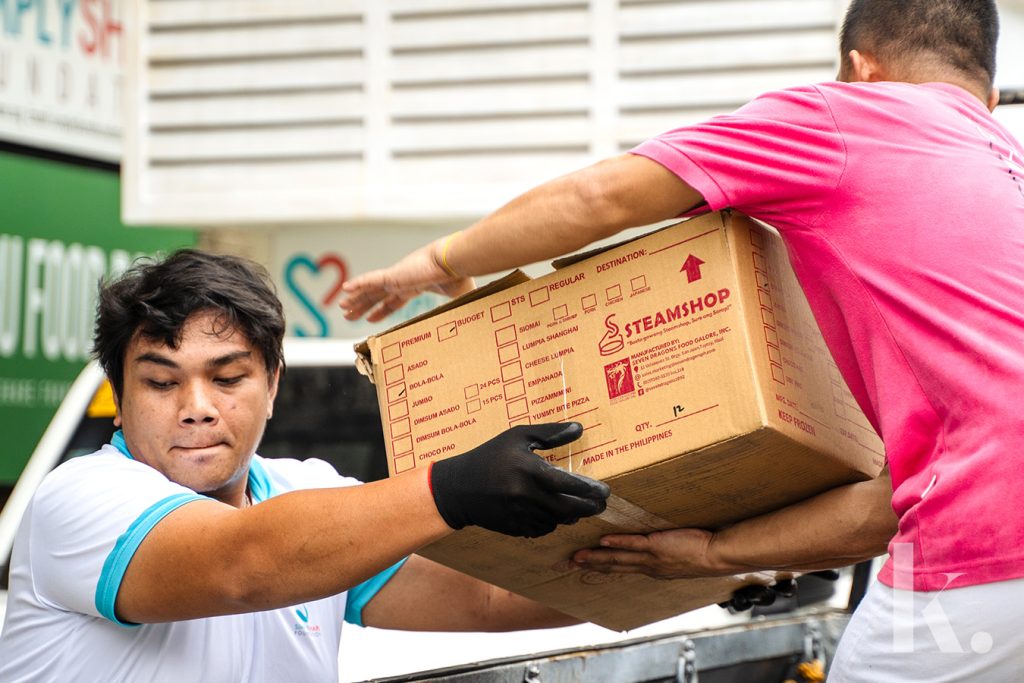
As of August 2026, Cebu Food Bank has provided food and meals to over 340beneficiaries, already surpassing their 2025 record of 323 beneficiaries. The organization also celebrates another milestone: it has finally adopted a prepared food model, which allows for quicker acquisition of surplus food and direct, immediate delivery of supplies to beneficiaries.
Though the food bank first began providing aid within Cebu, Dr. Nikki hopes and strives to expand beyond the province and support as many beneficiaries as possible.
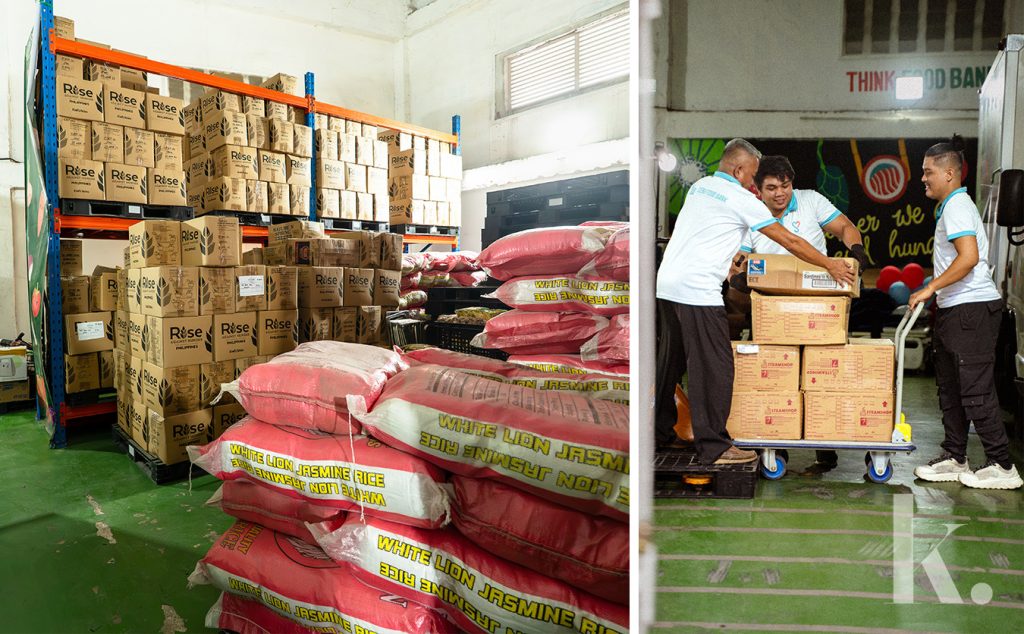
“Other countries have huge food banks that can respond easily and have a lot of stocks,” Dr. Nikki said. “We also hope to be that way in the future. Hopefully we can expand our warehouse, have more donors, and more food sources.”
Cebu Food Bank is not only the first food bank in Cebu and the Visayas but also the only one still officially active in the region. Logistical needs remain the biggest hurdle for the food bank, a non-profit organization that relies on the generosity of donors and partners for food sources on top of lacking manpower. Such reliance also entails that the food retrieved may not necessarily be the most nutritious.
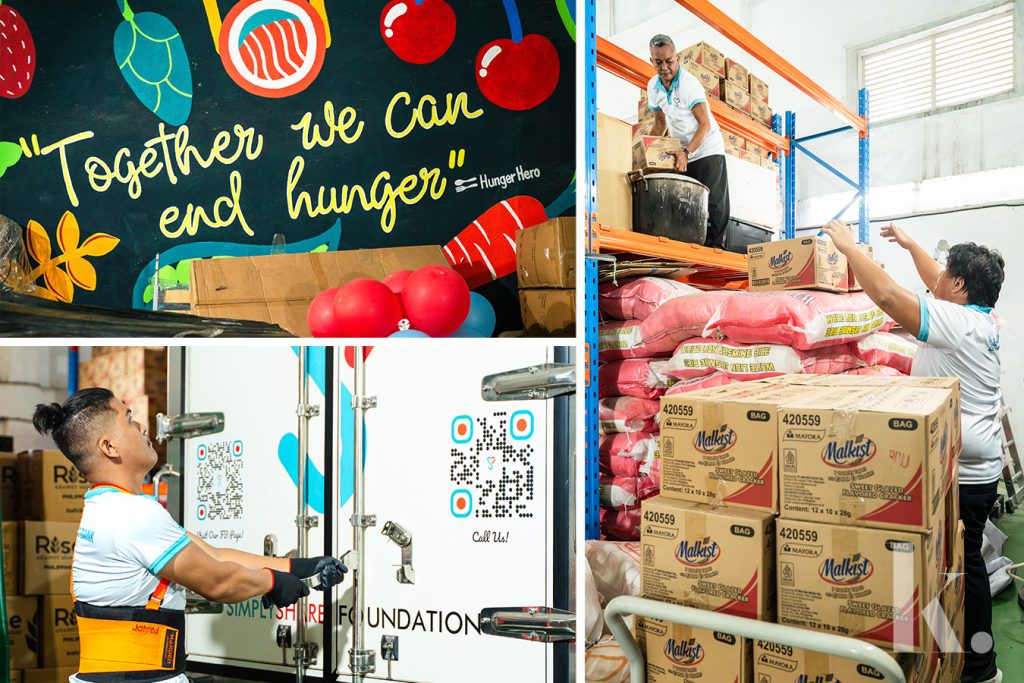
Dr. Nikki emphasizes how Cebu Food Bank is a “conduit” between donors and beneficiaries. With growing concerns of the incoming Super El Niño and its impact on food security, we are invited and encouraged to combat hunger in Cebu—and with hope forged together, against hunger across the country.
Follow the journey of Cebu Food Bank via Facebook (@SimplyShareOrg) and on Instagram (@simplysharefoundation), and visit their website at simplyshare.org. For donations or volunteering inquiries, contact 0991 088 9949.
Read also:
Karenderias Keep Healthy Eating Within Reach
From Farm to Table: Where Cebu’s Vegetables Come From